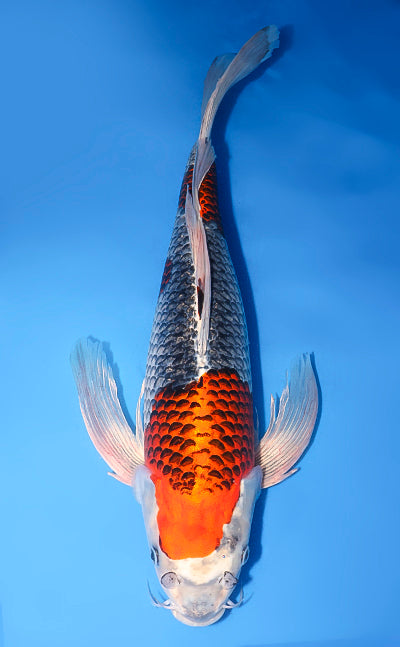
Butterfly Koi Fish for Sale
3 productos
Mostrando 1 - 3 de 3 productos
Butterfly Koi for Sale — Longfin Koi with Flowing Elegance
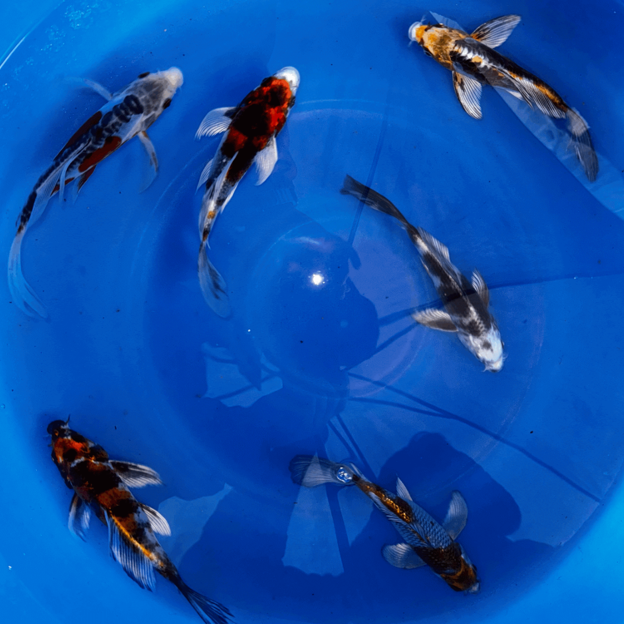
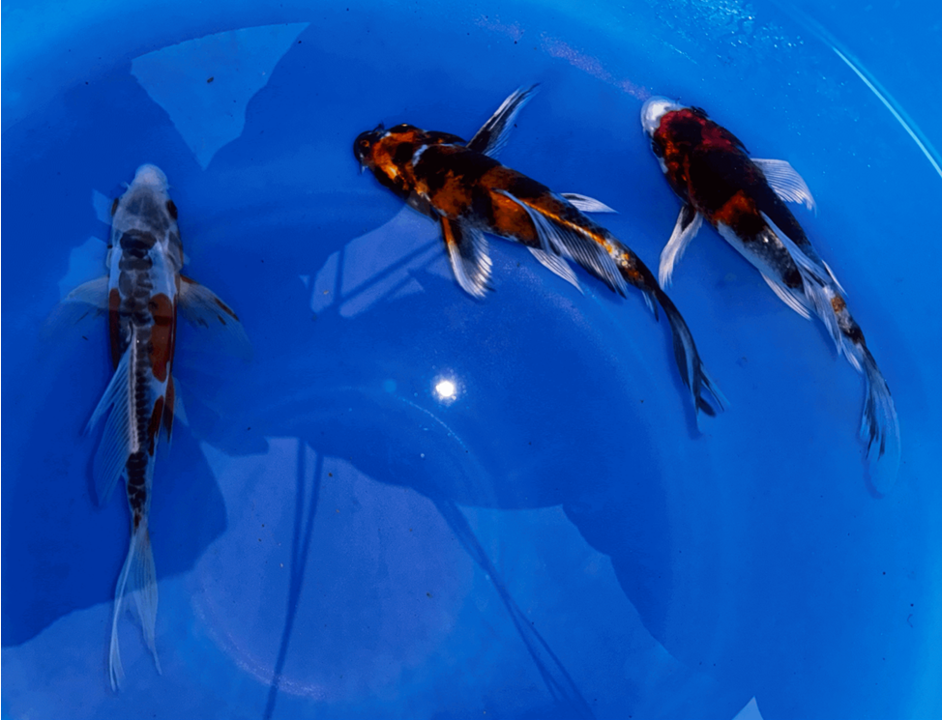
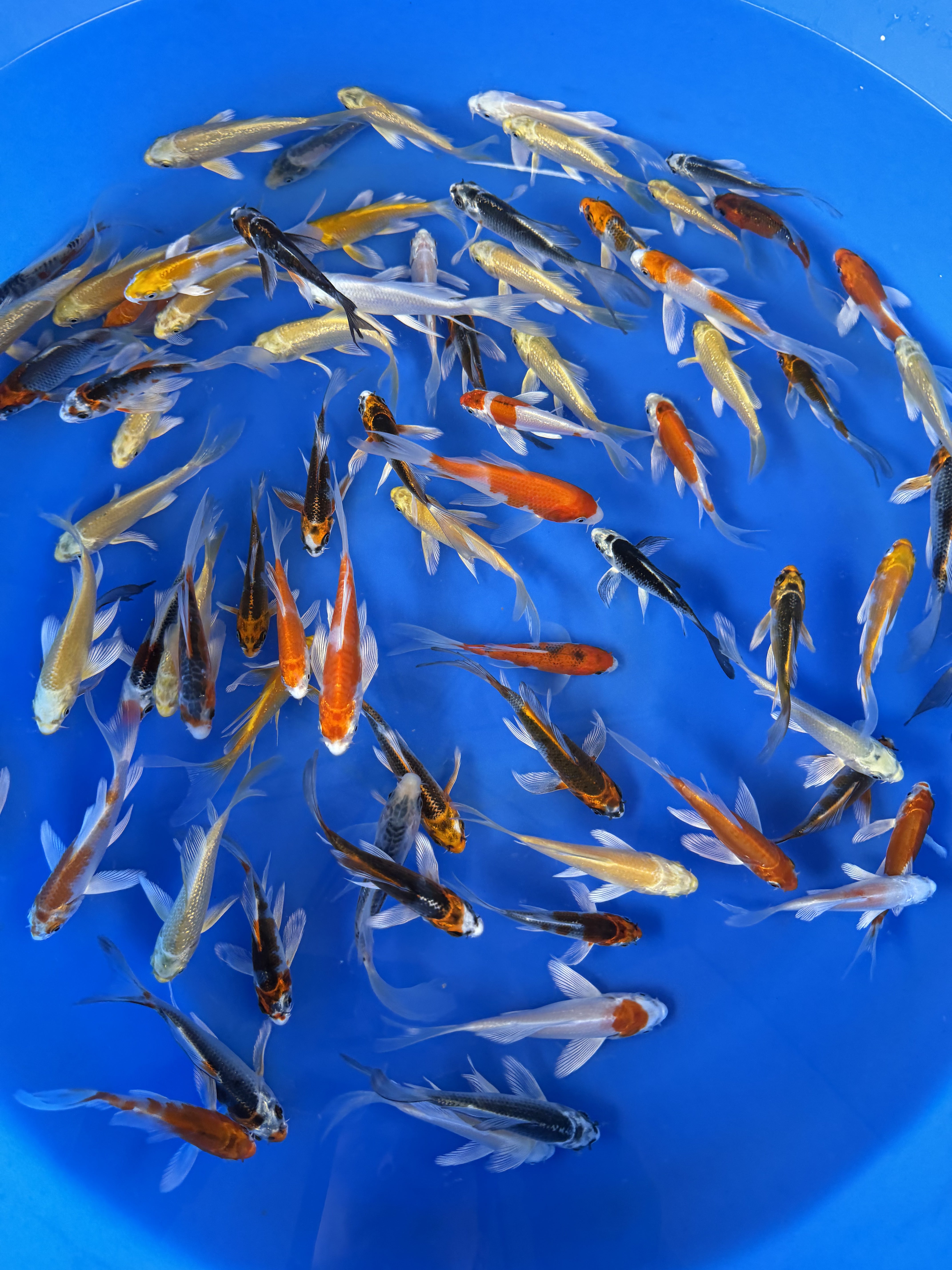
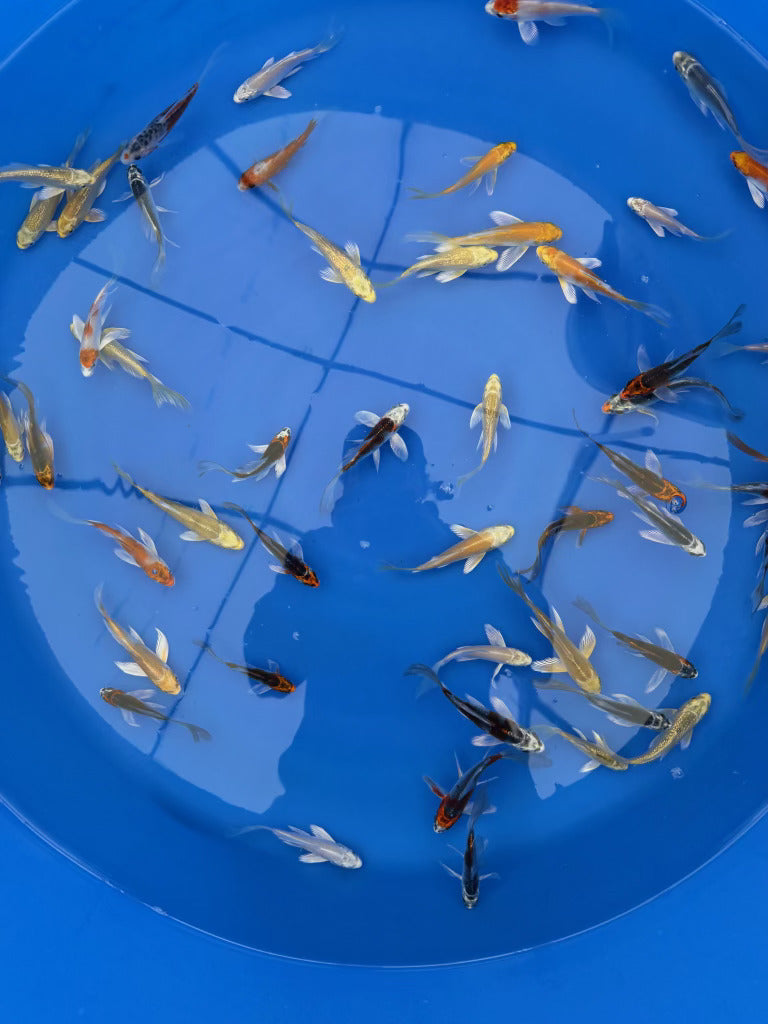
Butterfly koi, also known as longfin koi or dragon carp, are among the most visually striking fish available for garden ponds. Their defining feature — dramatically elongated, flowing fins and tail — creates a mesmerizing display as they glide through the water. Play It Koi offers hand-selected butterfly koi in a range of sizes, varieties, and color patterns, each inspected for fin quality, body conformation, and overall health before shipping.
Origins and Varieties of Butterfly Koi
Butterfly koi were originally developed in the 1980s by crossing traditional Japanese koi (Nishikigoi) with a wild Indonesian longfin carp. The result combined the vivid colors and patterns of Japanese koi with the dramatic finnage of the wild species. Today, butterfly koi are available in virtually every color pattern found in standard koi — Kohaku (red and white), Sanke (red, white, and black), Showa, Ogon (metallic gold), Platinum (solid white), Soragoi, and many more. The flowing fins add an ethereal quality that makes even common color patterns look exceptional.
Butterfly Koi vs. Standard Koi
Beyond fin length, there are several practical differences between butterfly and standard koi fish. Butterfly koi tend to have a slightly longer, more slender body shape. They are generally hardier and more disease-resistant than many standard koi varieties, making them an excellent choice for beginners. In terms of size, butterfly koi can reach 24 to 36 inches including their flowing fins, though body length is typically slightly shorter than a comparable standard koi. Their active, graceful swimming style makes them particularly enjoyable to watch during hand-feeding sessions.
Keeping Butterfly Koi Healthy
Butterfly koi thrive in the same conditions as standard koi — clean, well-filtered water, consistent temperatures, and a balanced diet. Feed a premium koi food appropriate for the season and water temperature. Their long fins are more susceptible to bacterial infections in poor water quality, so maintain excellent water quality standards and treat any fin fraying or redness immediately. New butterfly koi should be quarantined in a separate quarantine setup for two to four weeks before introduction to the main pond.
Mixing Butterfly Koi with Standard Koi
Butterfly koi and standard koi coexist peacefully and can be mixed freely in the same pond. They share the same dietary requirements, temperature tolerance, and social behaviors. During breeding season, butterfly and standard koi may crossbreed, producing offspring with varying fin lengths. Many pond keepers maintain a mix of both types for visual variety — the contrast between sleek standard koi and flowing butterfly koi creates an especially dynamic display.
Play It Koi offers free shipping on orders over $99 and ships all live koi via overnight express in insulated, oxygenated packaging. Contact our koi specialists for availability and variety recommendations.
Related Categories
Koi Fish · Japanese Koi · Koi Food · Koi Medications · Quarantine Supplies
Frequently Asked Questions
What is the difference between butterfly koi and standard koi?
Butterfly koi have dramatically elongated fins and tail that flow gracefully as they swim. Standard koi have shorter, proportional fins. Butterfly koi tend to have slightly more slender bodies and are generally considered hardier. Both types come in the same color varieties and require identical care, diet, and pond conditions.
Do butterfly koi grow as large as standard koi?
Butterfly koi can reach 24 to 36 inches in total length including their flowing fins. Their body length is typically slightly shorter than a standard koi of comparable age and genetics. In well-maintained ponds with quality food and ample space, butterfly koi grow impressively and their long fins continue to develop and extend throughout their lives.
Can I mix butterfly koi with standard koi in the same pond?
Yes, butterfly koi and standard koi live together perfectly well. They share the same water quality requirements, diet, and temperature range. They interact socially without aggression. The visual contrast between the two types creates an appealing, dynamic display. Be aware that they may crossbreed during spawning season, producing offspring with varying fin lengths.