Beneficial Bacteria
81 products
Showing 73 - 81 of 81 products
Beneficial Bacteria for Ponds — The Foundation of Clean Water
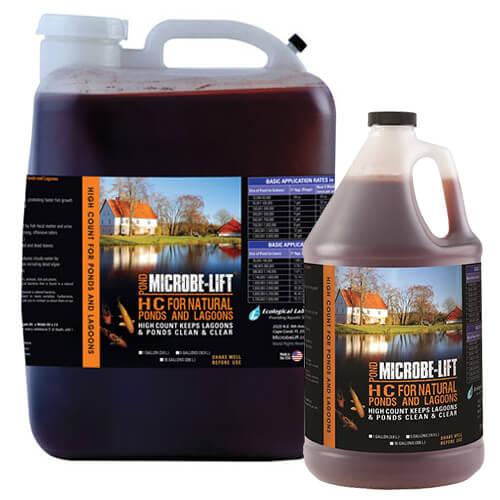
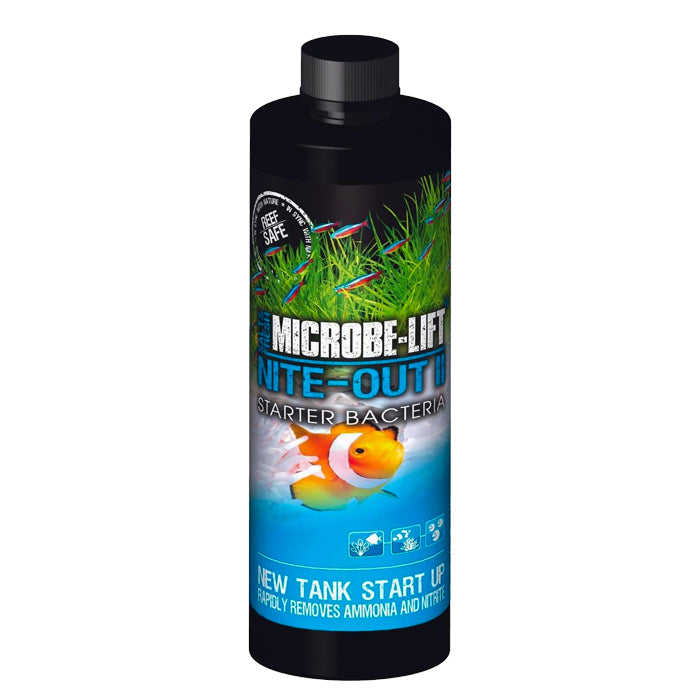
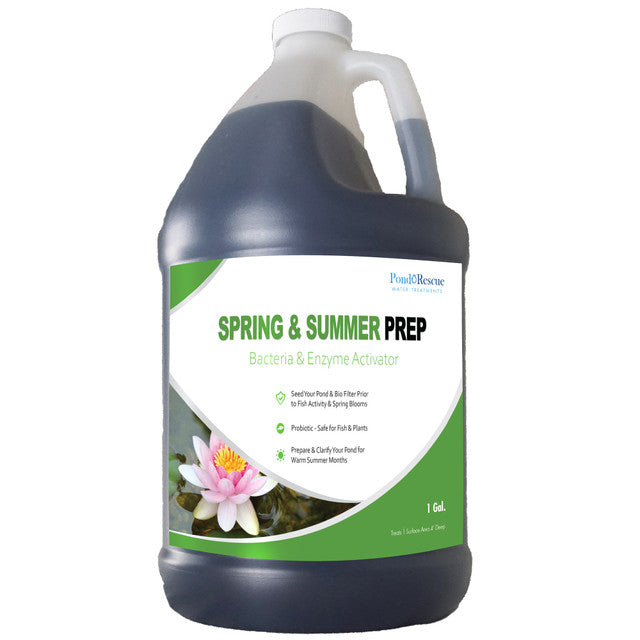
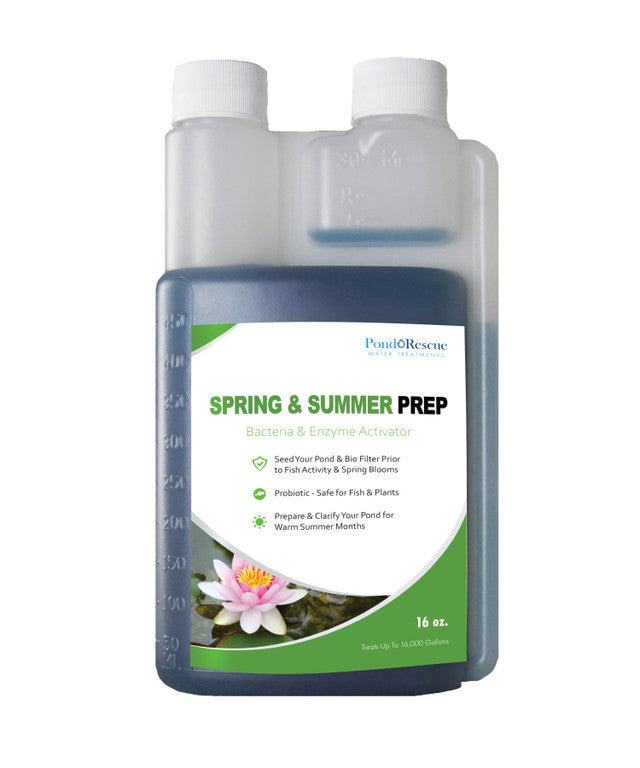
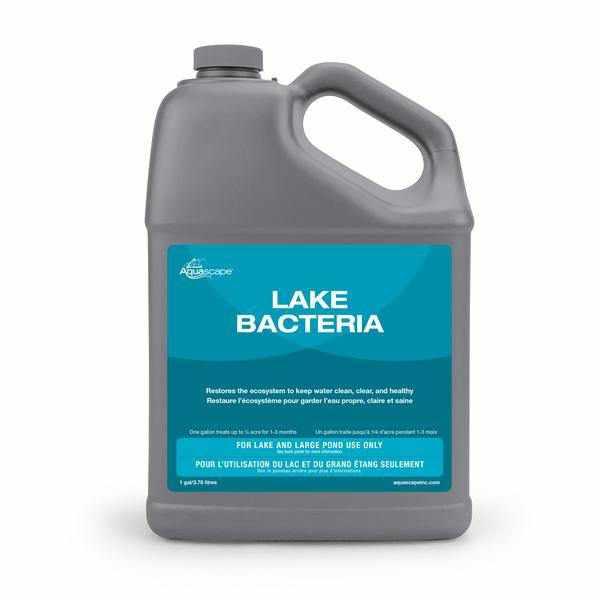
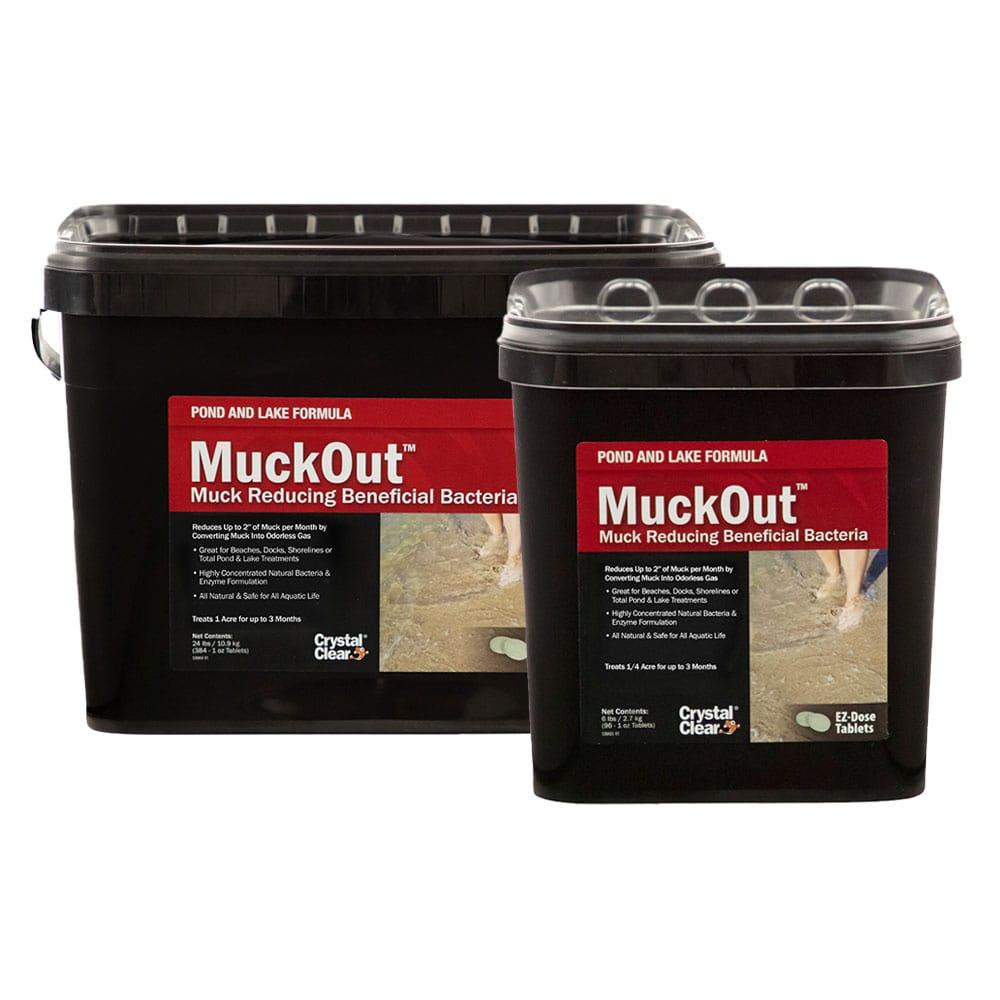
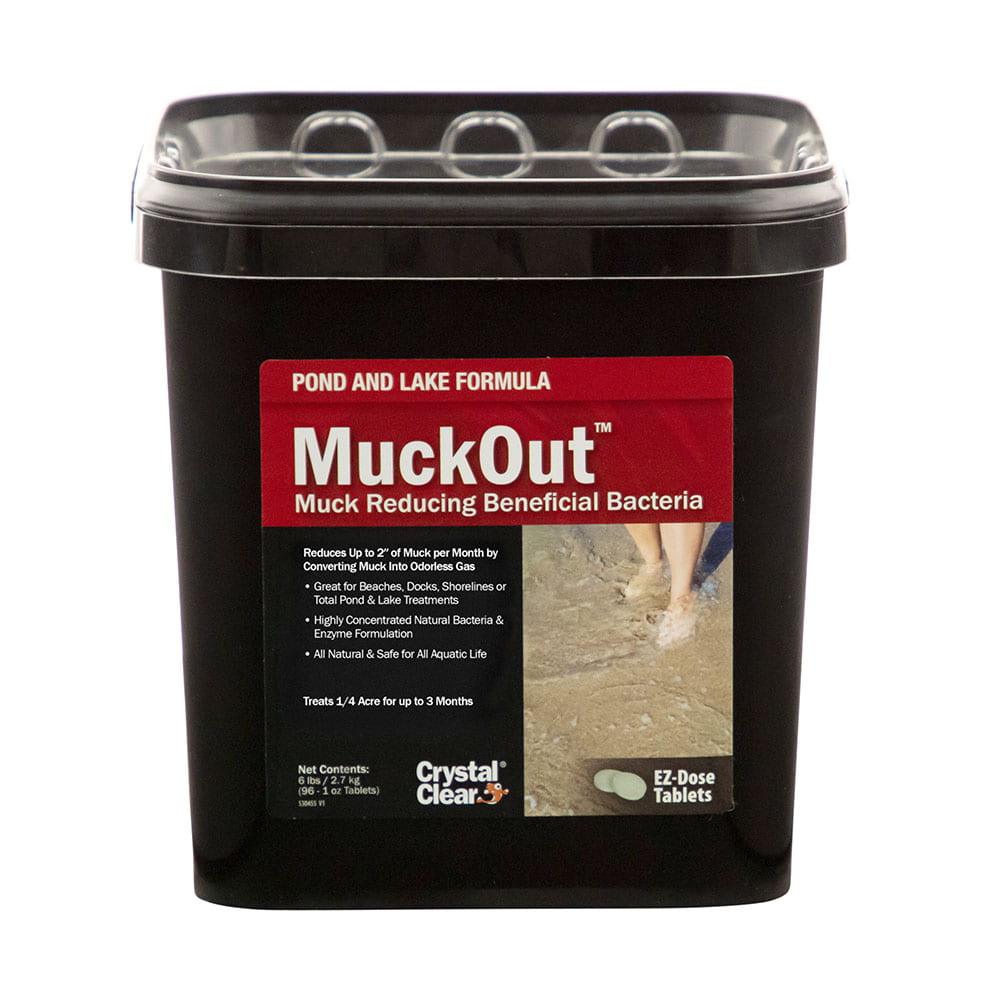
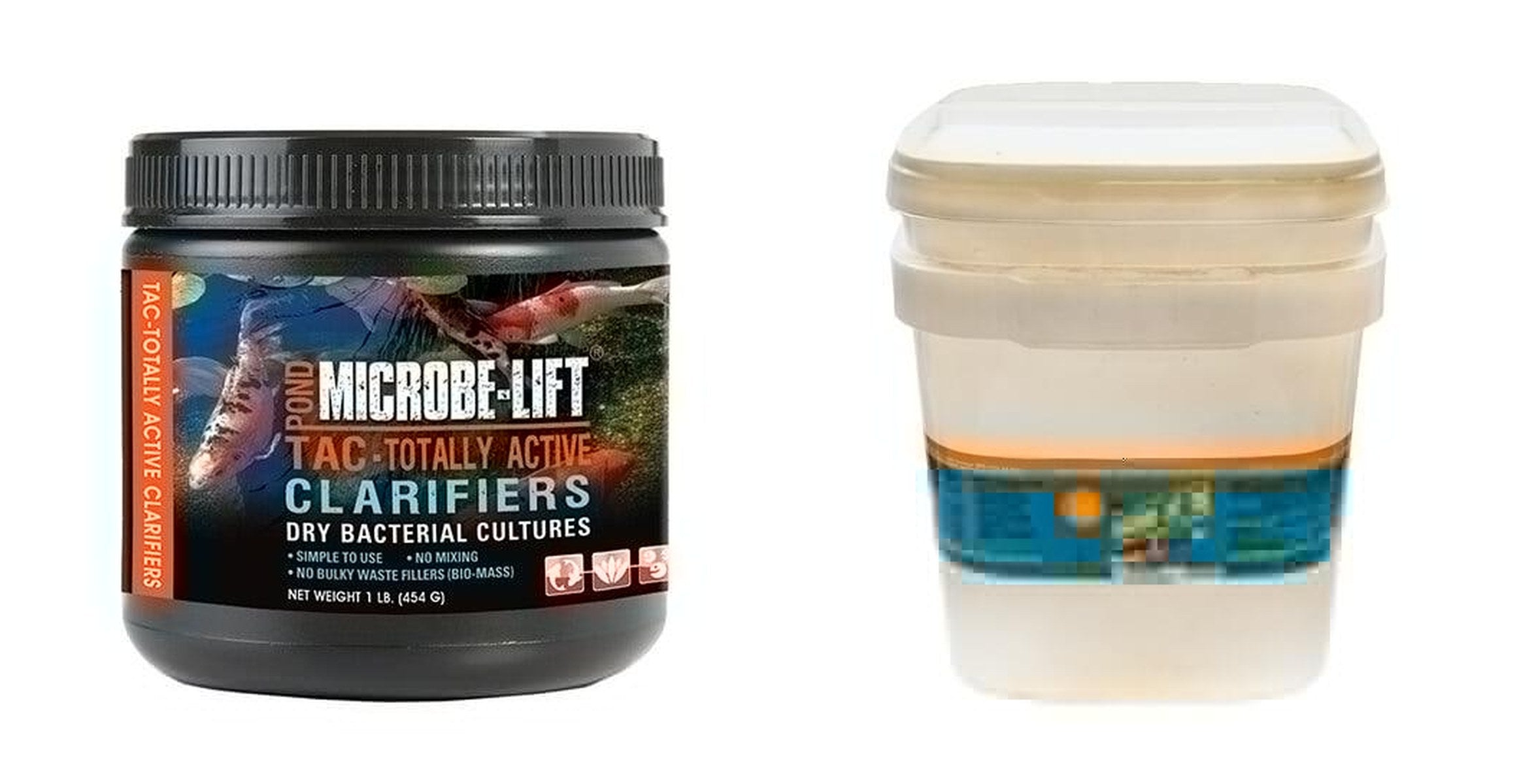
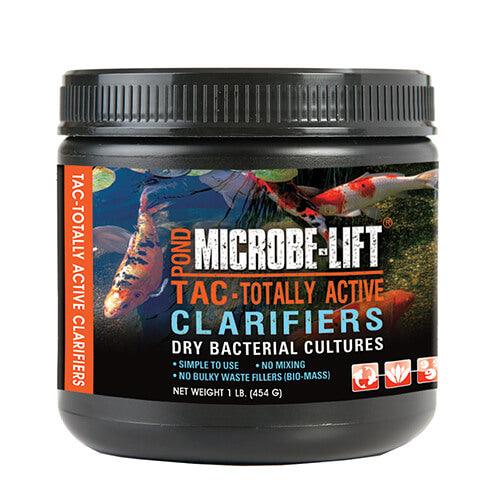
Beneficial bacteria are the unsung heroes of every healthy pond ecosystem. These naturally occurring microorganisms break down fish waste, uneaten food, decaying plant matter, and organic sludge — converting toxic ammonia and nitrite into relatively harmless nitrate through the nitrogen cycle. Play It Koi carries a full lineup of beneficial pond bacteria from leading manufacturers including Microbe-Lift, Aqua Meds, Fritz Aquatics, EasyPro, and Atlantic Water Gardens.
Understanding Biological Pond Health
Even the best mechanical pond filtration system cannot replace the biological work that beneficial bacteria perform. In a well-established pond, billions of bacteria colonize filter media, rocks, gravel, and every submerged surface. These colonies process ammonia excreted by fish and produced by decomposing organic matter. Without adequate bacteria populations, ammonia spikes can stress or kill fish, encourage algae blooms, and produce foul odors. Supplementing with commercial bacteria products accelerates colonization and keeps biological filtration operating at peak efficiency.
Gel, Liquid, and Dry Bacteria Formulas
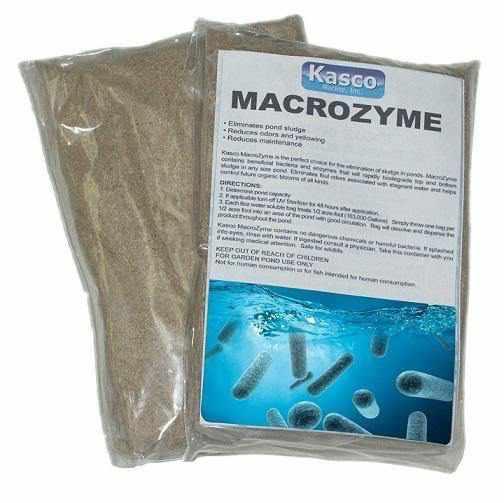
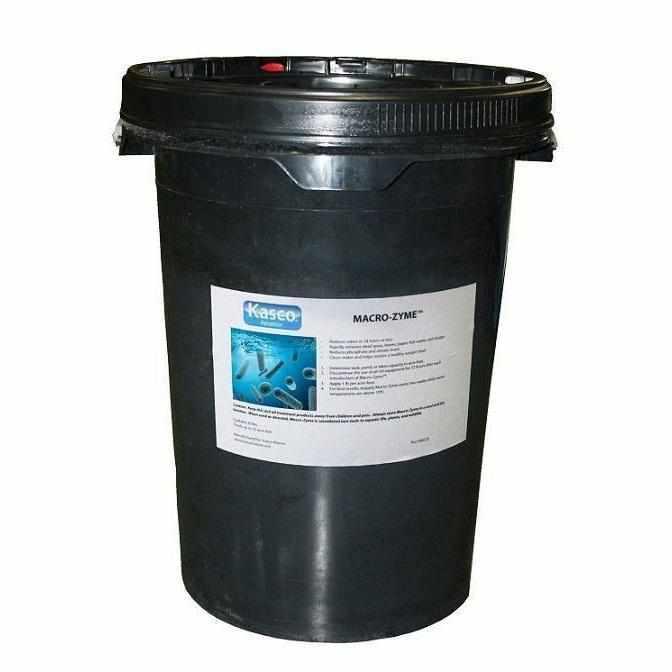
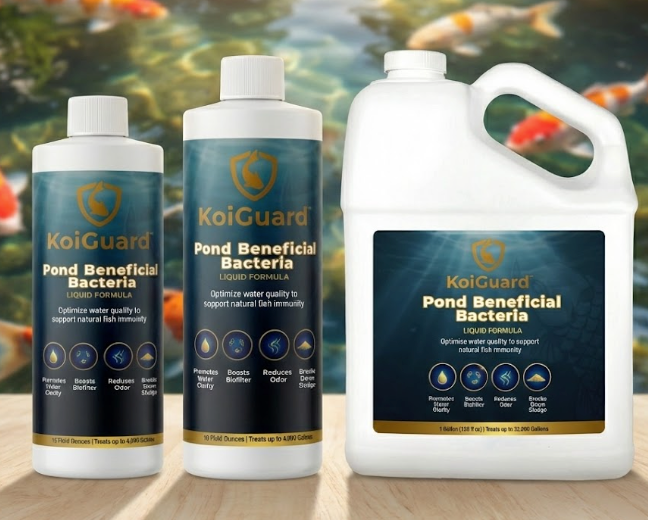
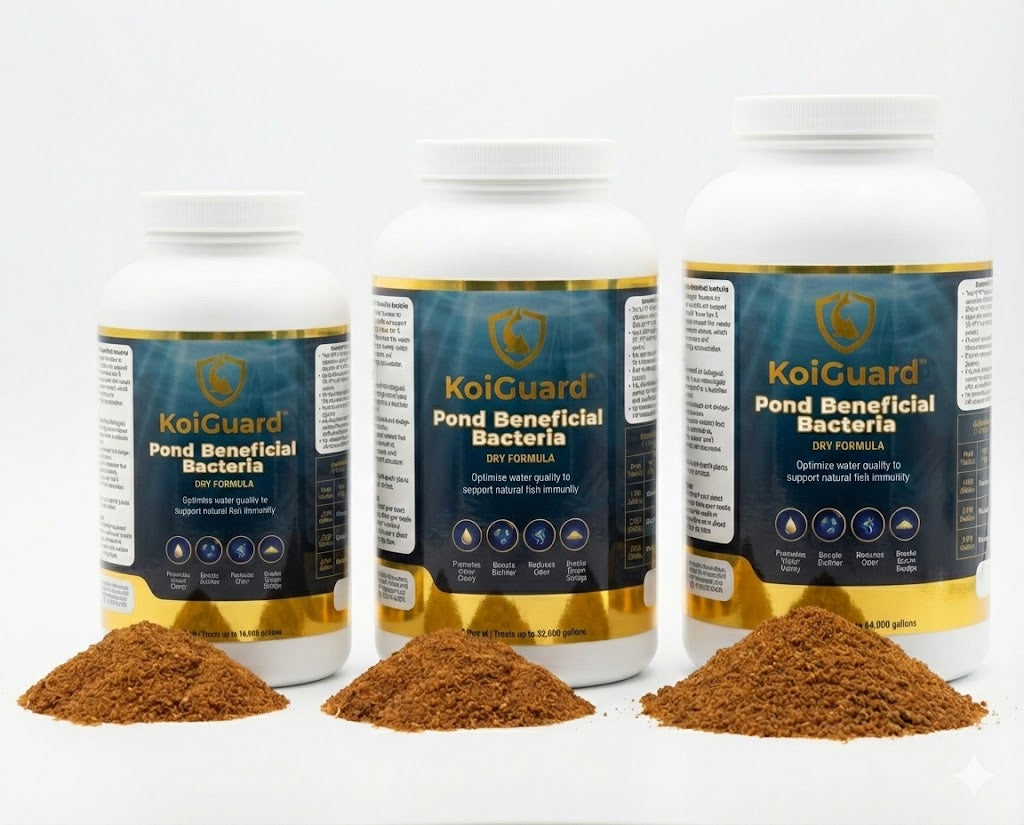
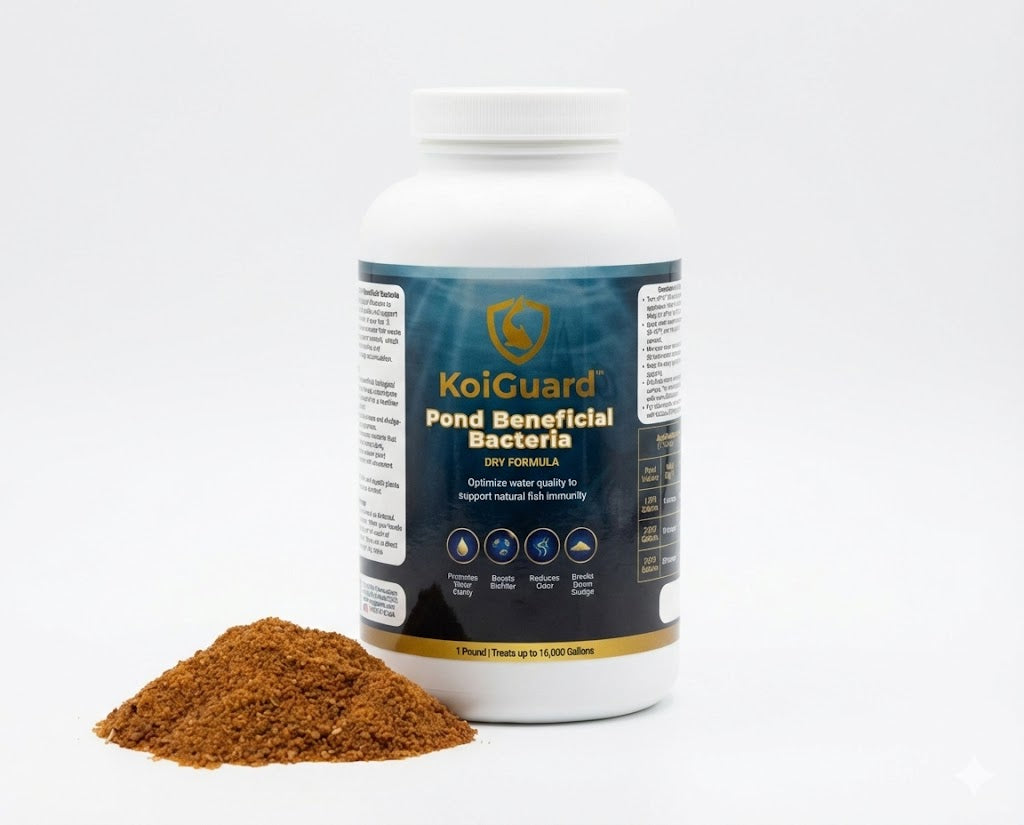
Beneficial bacteria products come in three primary formats. Liquid concentrates like Microbe-Lift PL and Fritz Aquatics POND Nitrifying Bacteria disperse quickly and begin working within hours. Dry powders and granules such as Aqua Meds Aqua Pure offer long shelf life and are easy to dose by the scoop. Gel-based formulas adhere directly to rocks and filter media, delivering concentrated colonies exactly where they are needed most — these are particularly effective when seeding a new filter or jump-starting biological activity in spring.
When and How to Dose Pond Bacteria
Regular bacteria dosing is one of the simplest maintenance tasks a pond keeper can perform. Most products recommend weekly or biweekly applications during the active season (spring through fall). Increase dosing after heavy rain, water changes, or medication treatments that may have disrupted existing colonies. For new ponds, apply a starter dose at double the normal rate to seed surfaces quickly. Always pair bacteria treatments with regular water quality testing to confirm ammonia and nitrite remain at safe levels.
Cold-Water and Seasonal Bacteria
Standard beneficial bacteria become dormant below 50 degrees Fahrenheit. Cold-water bacteria formulas are specifically engineered to remain active in temperatures as low as 35 degrees, helping to break down organic sludge that accumulates on the pond bottom over winter. Applying cold-water bacteria in late fall and early spring prevents the organic buildup that fuels spring algae blooms. For persistent algae problems, beneficial bacteria work synergistically with barley straw and UV clarifiers to maintain crystal-clear water naturally.
Monitoring Results with Test Kits
The best way to confirm your bacteria are working is by tracking ammonia, nitrite, and nitrate levels with reliable pond water test kits. A mature biological system should show zero ammonia, zero nitrite, and moderate nitrate. If ammonia or nitrite readings spike, increase bacteria dosing and reduce feeding until levels stabilize.
Play It Koi offers free shipping on orders over $99 and stocks bacteria products year-round. Contact our pond experts for dosing recommendations tailored to your pond volume and fish load.
Related Categories
Sludge Removers · Water Treatments & Testing · Algae Control · Water Test Kits · Pond Filtration
Frequently Asked Questions
How often should I add beneficial bacteria to my pond?
During the active season (water above 50°F), add beneficial bacteria weekly or biweekly according to the product label. Increase frequency after water changes, heavy rain, or any medication treatment. New ponds should receive a double dose for the first two to four weeks to establish colonies quickly.
Do I need cold-water bacteria for my pond in winter?
Yes, if your pond temperature drops below 50°F. Standard bacteria go dormant in cold water, but cold-water formulas remain active down to 35°F. Applying them in late fall and early spring helps break down organic sludge and reduces the nutrient load that causes spring algae blooms.
What is the difference between gel, liquid, and dry beneficial bacteria?
Liquid bacteria disperse quickly through the water column and work fast. Dry powder offers a long shelf life and easy scooping. Gel bacteria cling directly to rocks and filter media, delivering concentrated colonies where they are most effective. Many pond keepers use liquid for regular dosing and gel for seeding new filters or problem areas.
Can you add too much beneficial bacteria to a pond?
It is very difficult to overdose beneficial bacteria. Excess bacteria simply die off once available food sources (ammonia, organic waste) are consumed. However, following the manufacturer's dosing guidelines ensures cost-effective treatment and consistent biological performance.