
A koi pond isn’t just a pretty backyard feature, it’s a living system built around your fish.
Also, Koi aren’t tiny goldfish; they eat a lot, produce a lot of waste, grow big, and can live for decades. That means your gear needs to be solid from day one.
By now, you’ve picked the spot, figured out the shape and depth, and sized the pond. Next up: the stuff that keeps the pond clean and your fish healthy.
Filtration: No Shortcuts Here
Koi ponds need heavy-duty filtration because these fish are messy eaters.
Mechanical filtration gets rid of solid junk before it breaks down:
-
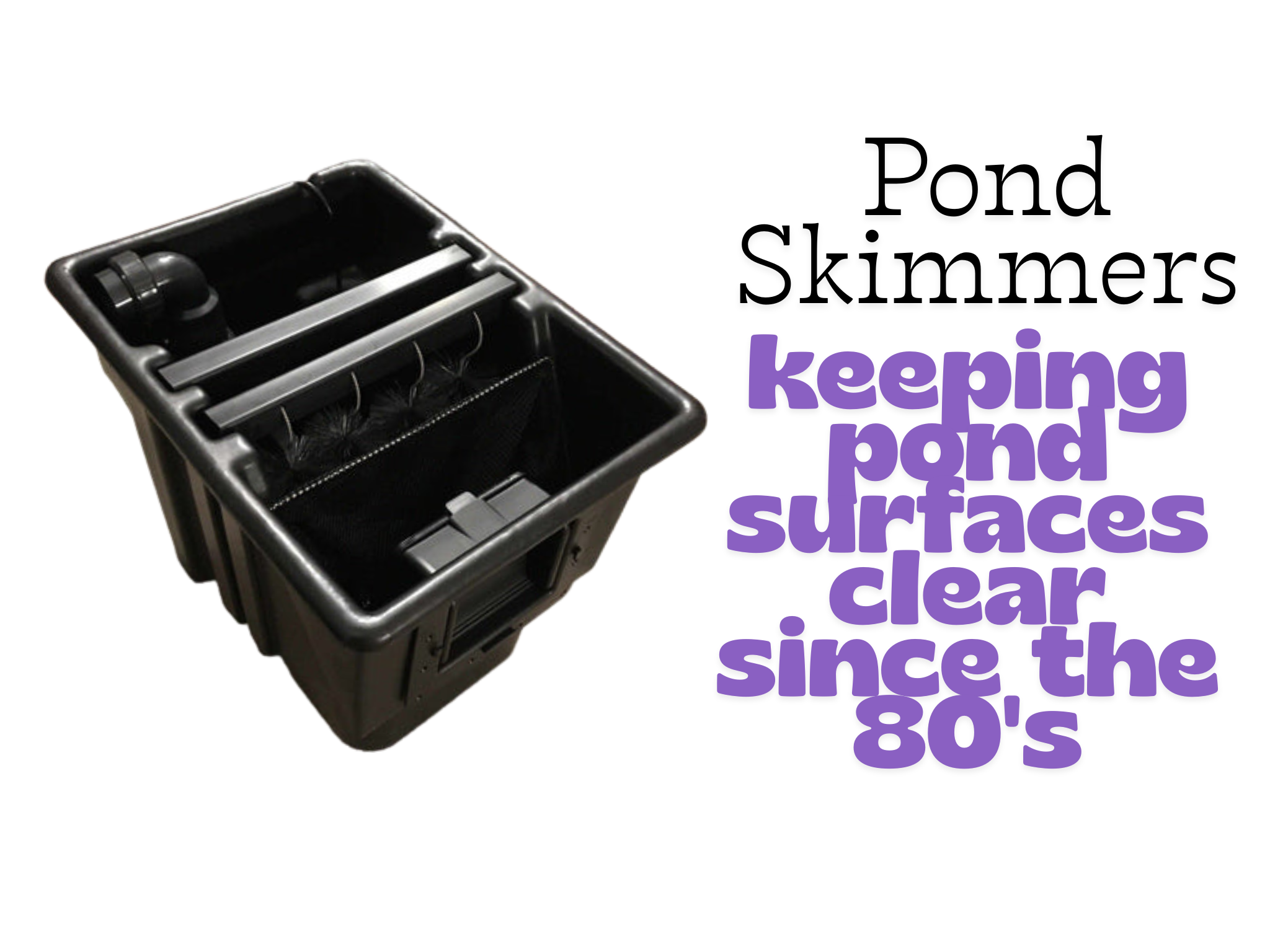
Skimmer: Pulls floating debris, leaves, pollen, and leftover food before it sinks, which can foul your water and throw your pH off balance.
-
Bottom drain: Pulls heavy waste from the deepest part of the pond. Without one, sludge builds up, oxygen drops, and your koi get stressed.
In my strong opinion, bottom drains aren’t optional in koi ponds; they’re a must.
Biological filtration handles the invisible stuff. Good bacteria live in your filter media, turning toxic ammonia and nitrite from fish waste into safe stuff. Because koi produce so much waste, bigger filters = healthier fish.
Oxygen, Aeration, and Flow: Keep it Moving
Koi need oxygen, lots of it, especially in warm months.
-
Bottom aeration: Fine bubbles rise slowly, spreading oxygen through the pond and nudging waste toward the bottom drain.
-
Waterfalls or returns: Surface movement adds even more oxygen.
-
Strong circulation: Keeps the water moving so there aren’t any dead spots where gunk can settle.
Oxygen feeds both the fish and the bacteria that make your water safe.
The Pump: Your Pond’s Heart
The pump is the workhorse of your pond. It moves water through the skimmer, bottom drain, and filters.
-
Size it so it turns over the whole pond about once an hour.
-
Many koi ponds run two pumps—one for the bottom drain, one for the skimmer—so if one goes down, you don’t lose everything.
Tip: Always keep a backup pump on hand. When it fails, oxygen drops fast and your fish notice.
Plumbing: Built to Last
The plumbing is the unsung hero of the pond. For koi ponds, it should be:
-
Big enough to handle high flow without choking
-
Set up with valves so you can isolate and service equipment
-
Fitted with check valves to keep water moving the right way
-
Easy to reach even after you hide the pipes with landscaping
Koi ponds are a long-term investment. Build it tough, and it’ll last for decades.
Size It Bigger Than You Think
Oversizing isn’t a waste; it’s insurance.
-
Target a minimum of 1½ to 2 times the pond’s total volume for filtration, pump capacity, and aeration. The more koi the more turns, if you ask me.
-
Bigger gear keeps the pond stable, reduces maintenance, and keeps koi happy and healthy.
When in doubt, round up, never down. Your future self, and you Koi will thank you.