


Sự miêu tả
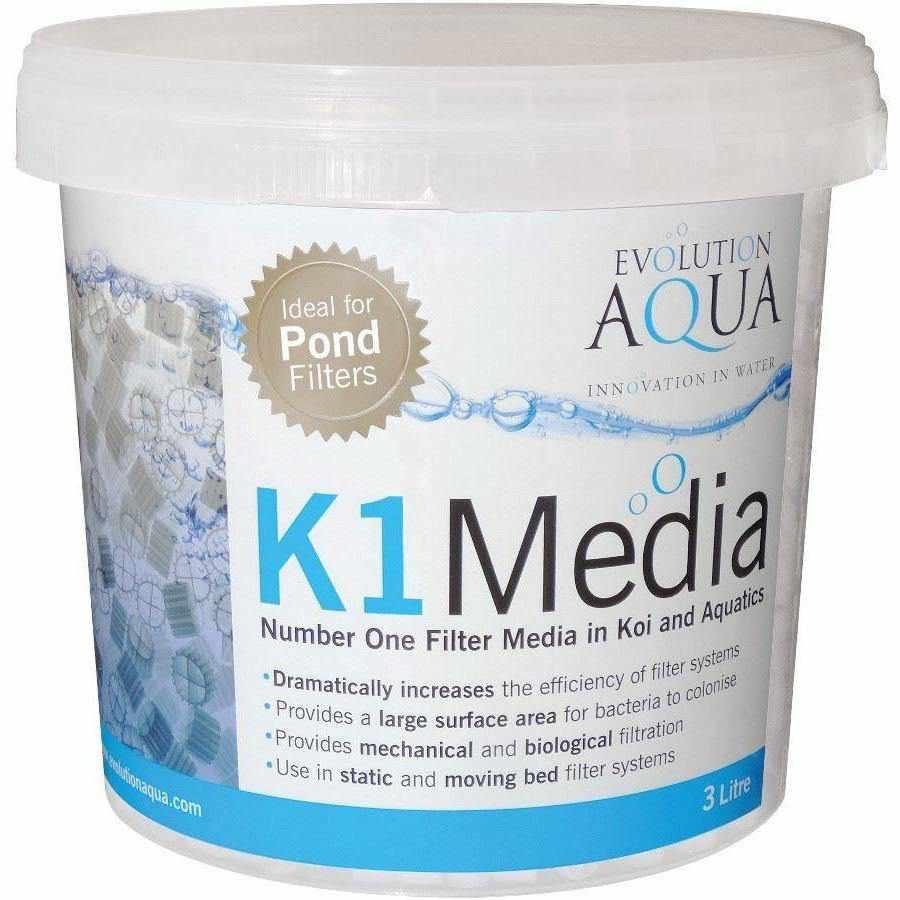
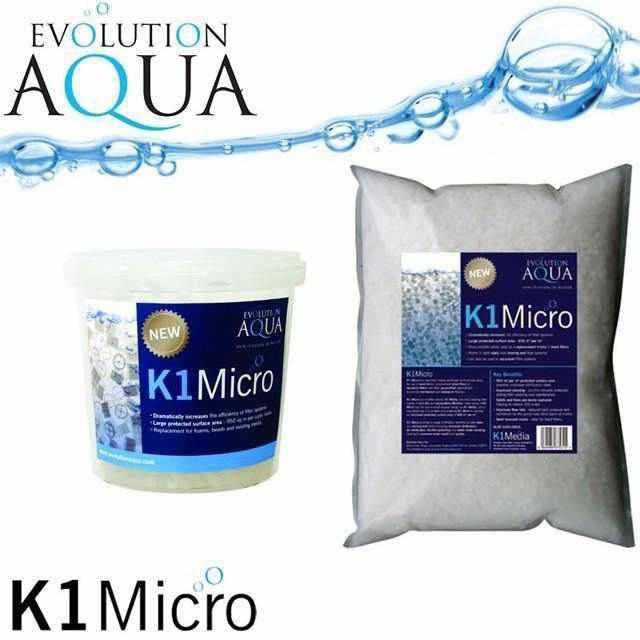
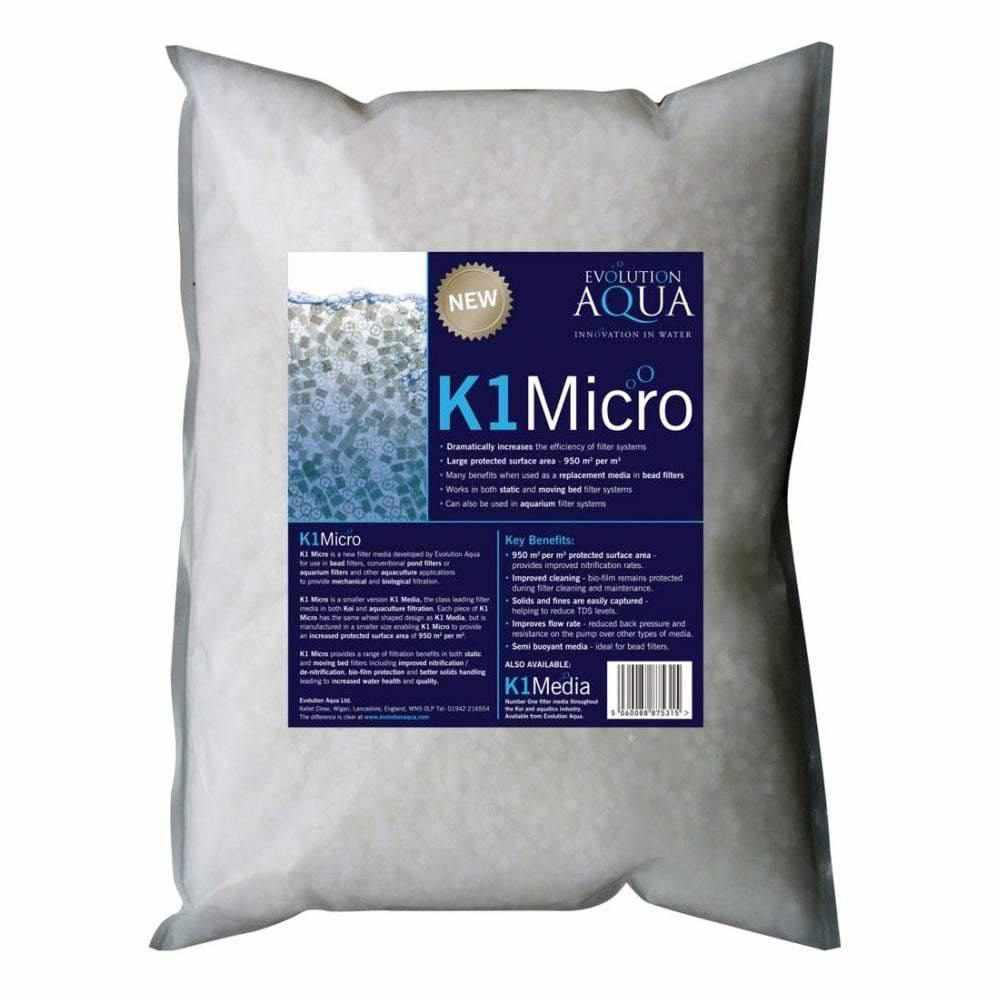
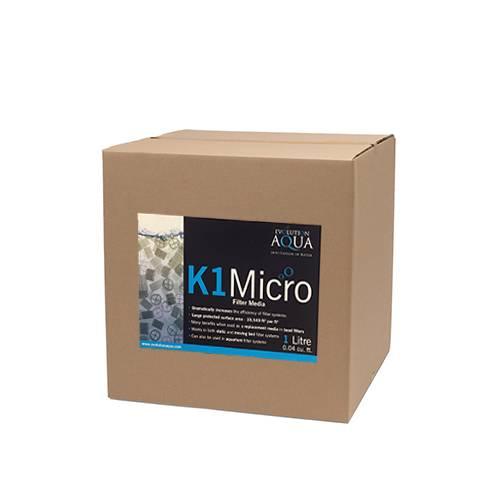
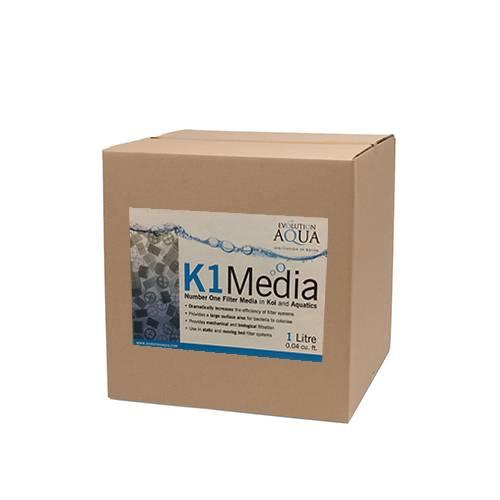
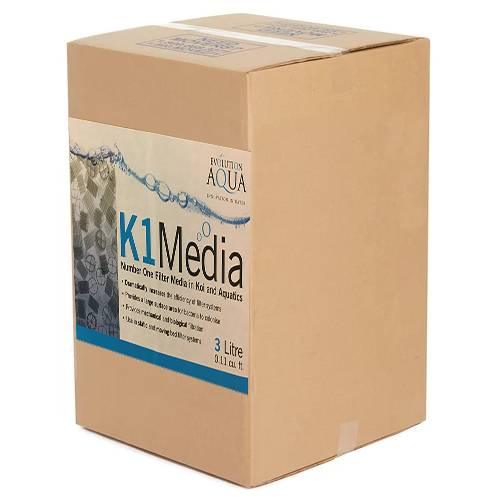
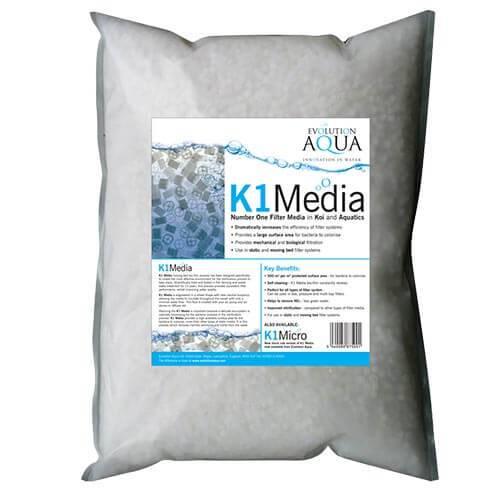
Vật liệu lọc K1 Media và K1 Micro Media của Evolution Aqua là những nhà vô địch lâu năm trong lĩnh vực lọc sinh học!
Phương tiện này được thiết kế đặc biệt để sử dụng như một phần của bộ lọc tầng sôi - di chuyển liên tục. Di chuyển nước qua nó liên tục sẽ tối đa hóa khả năng lọc của nó. Ban đầu được thiết kế để sử dụng trong các bộ lọc Nexus 220 và Nexus 320, phương tiện này cũng có thể được sử dụng trong nhiều ứng dụng khác.
Việc làm chín môi trường sinh học K1 Media rất quan trọng vì một hệ sinh thái tinh tế đang phát triển tự nhiên cho các vi khuẩn tham gia vào quá trình nitrat hóa. Môi trường K1 Media cung cấp diện tích bề mặt hoạt động tối đa để vi khuẩn định cư, nhiều hơn các loại môi trường tĩnh khác. Chính quá trình này loại bỏ amoniac và nitrit có hại khỏi nước.
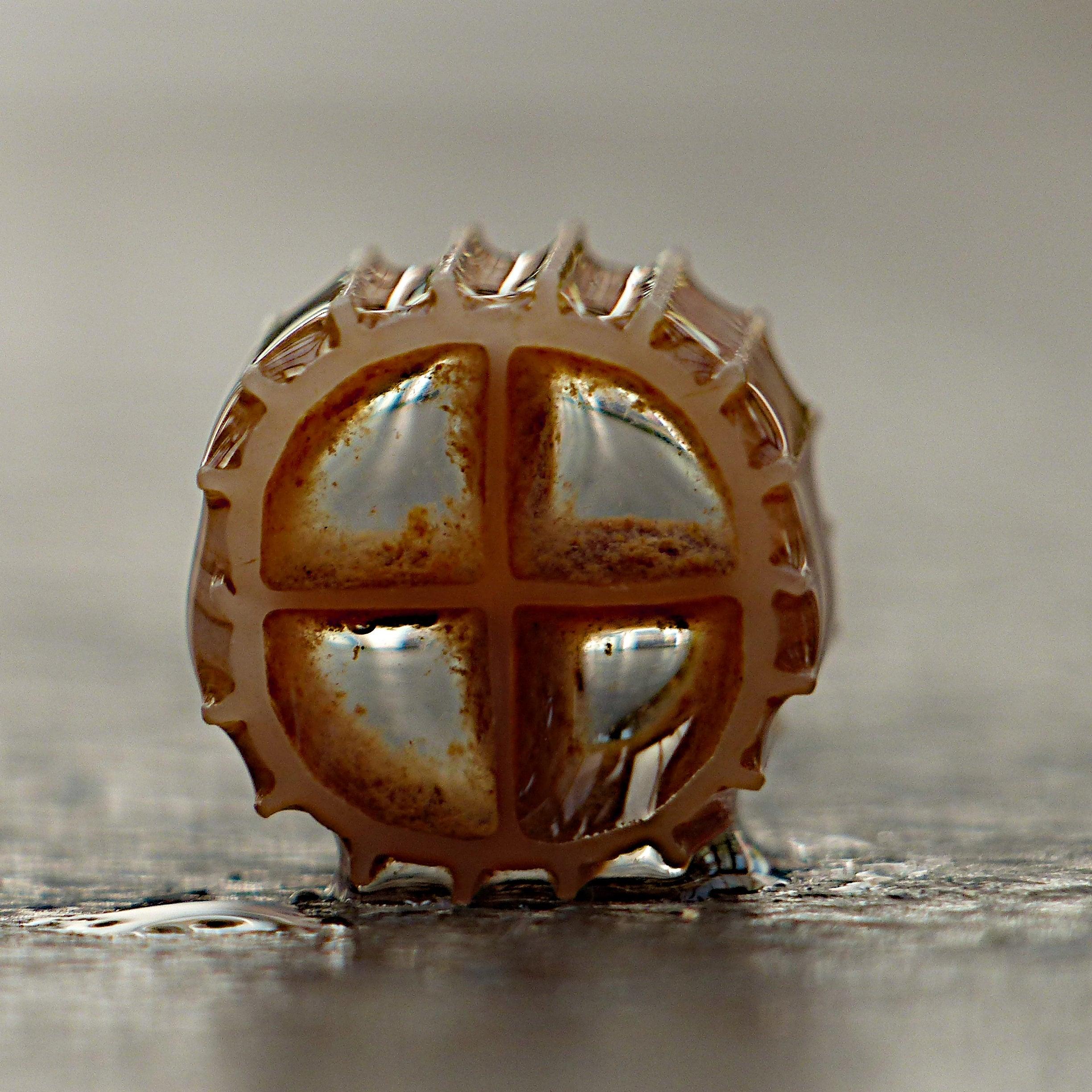
Khi K1 Media di chuyển bên trong bộ lọc, nó khiến các vi khuẩn chết cũ ở bên ngoài bị thay thế. Điều này tạo không gian cho các vi khuẩn ăn mới nặng hơn và trẻ hơn nhanh chóng xâm chiếm. Bên trong bánh xe là một bề mặt được bảo vệ cho phép các quần thể vi khuẩn tự nhiên tuân theo vòng đời của chúng, trưởng thành, chết và sau đó cung cấp năng lượng cho các giai đoạn sau của chu trình nitrat hóa. K1 Media được thiết kế để cung cấp môi trường sống tốt nhất có thể cho cả các quần thể vi khuẩn có lợi trẻ và trưởng thành.
Không giống như bọt, thảm hoặc các dạng vật liệu lọc tĩnh khác, vật liệu lọc K1 được thiết kế để di chuyển tự do bên trong bộ lọc của bạn. Chuyển động hỗn loạn liên tục của không khí từ máy bơm của bạn khiến vật liệu lọc tự làm sạch và do đó không cần bảo trì. Điều này cho phép bộ lọc đạt hiệu quả tối ưu mà không bị gián đoạn bởi việc vệ sinh định kỳ, tránh mất vi khuẩn không cần thiết bên trong bộ lọc. 50 lít vật liệu lọc K1 sẽ xử lý tới 250 gam thực phẩm mỗi ngày và đối với vật liệu lọc K3, 225 gam thực phẩm mỗi ngày. Đối với việc cải tạo các bộ lọc hiện có, vật liệu lọc K3 là phù hợp nhất do kích thước lớn hơn và dễ kiểm soát.
Bạn càng cho chúng ăn nhiều thức ăn, chúng càng sẫm màu hơn vì được bao phủ bởi một lớp màng sinh học.
Ước tính vận chuyển
Thanh toán & Bảo mật
Thông tin thanh toán của bạn được xử lý an toàn. Chúng tôi không lưu trữ thông tin thẻ tín dụng cũng như không có quyền truy cập vào thông tin thẻ tín dụng của bạn.
Bio media sizing
How much bio media does your pond need?
Ammonia comes from food, so that's where sizing starts. Tell us how much you feed and how warm the water runs — we'll size every media we carry against it.
1 How much do you feed?
2 How warm is the water?
Fine tuning
optionalMost koi diets run 35–40% protein — check your bag. Chamber fill only matters for moving-bed media like K1 or K+; aim for 50–65% so the media can actually tumble.
Design R is how many grams of ammonia one square metre of mature biofilm clears in a day. It is the divisor in this whole calculation — the single biggest lever on the answer.
R is not a property of the media. It's a property of the conditions: water temperature, dissolved oxygen, how briskly water moves across the biofilm, and how mature the bacterial colony is. The same K1 bead clears several times more ammonia in a well-aerated moving bed at 75°F than it does sitting in a static box at 50°F.
Because R divides, a lower R means more media. Choosing a conservative R is how you buy yourself safety margin.
What 0.50 assumes
Not all the nitrogen in food becomes ammonia — some is built into fish growth, some leaves as solids you skim out. This is the share that reaches the water column. 0.75 suits most ponds.
Every media compared
How much food goes in
Everything starts here. Food is the only meaningful source of ammonia in a koi pond, so what you feed sets the size of the biofilter you need.
How much ammonia that produces
Protein is about 16% nitrogen by weight. Only part of that nitrogen reaches the water as TAN — total ammonia nitrogen — because fish retain some as growth and some leaves as solids.
How much biofilm surface that needs
R is the nitrification rate — the ammonia one square metre of biofilm clears per day. Cold water and low oxygen slow the bacteria down, which is why a cold pond needs more media, not less.
How much media that is
Each media has a specific surface area — the square metres of usable biofilm surface packed into a cubic metre. Divide the surface you need by that figure and you have the volume to buy.
Oxygen the biofilter consumes
Nitrification burns roughly 4.6 g of oxygen per gram of ammonia processed. Warm water holds less dissolved oxygen exactly when demand peaks — so if you run warm, add aeration or size using a lower R.
Alkalinity the biofilter consumes
Each gram of ammonia processed also consumes about 7.1 g of carbonate hardness. Keep KH in the 100–150 mg/L range; if it falls, pH turns unstable and the filter stalls.
How KH gets used up, and what it takes to hold it steady →
A note on accuracy. Figures marked Verified are published by the manufacturer. Figures marked Estimated are derived from a published total surface area or from media geometry. Sizing a biofilter is a design exercise, not a precise measurement — when in doubt, size up.