


Sự miêu tả
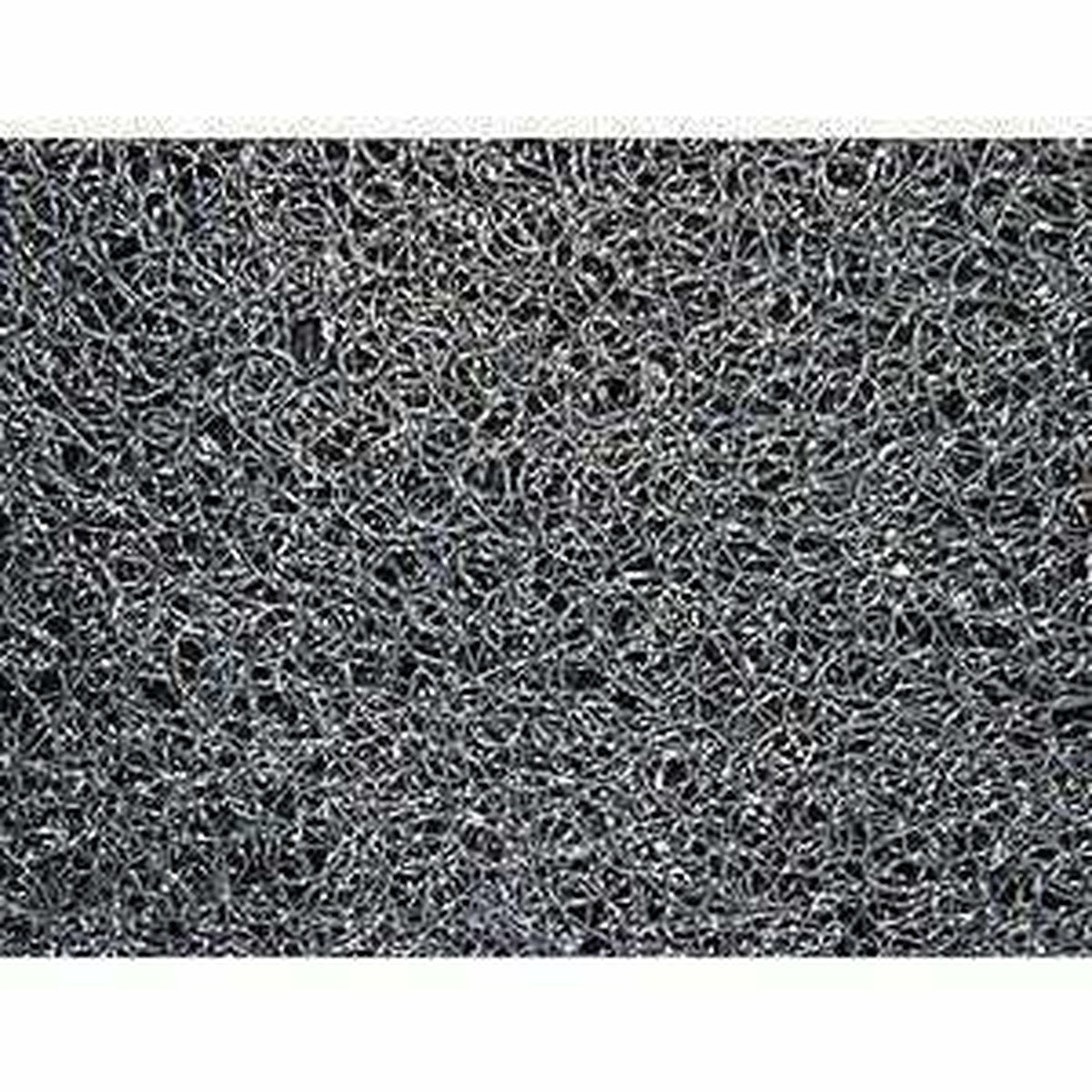
Matala Xám Mật Độ Siêu Cao
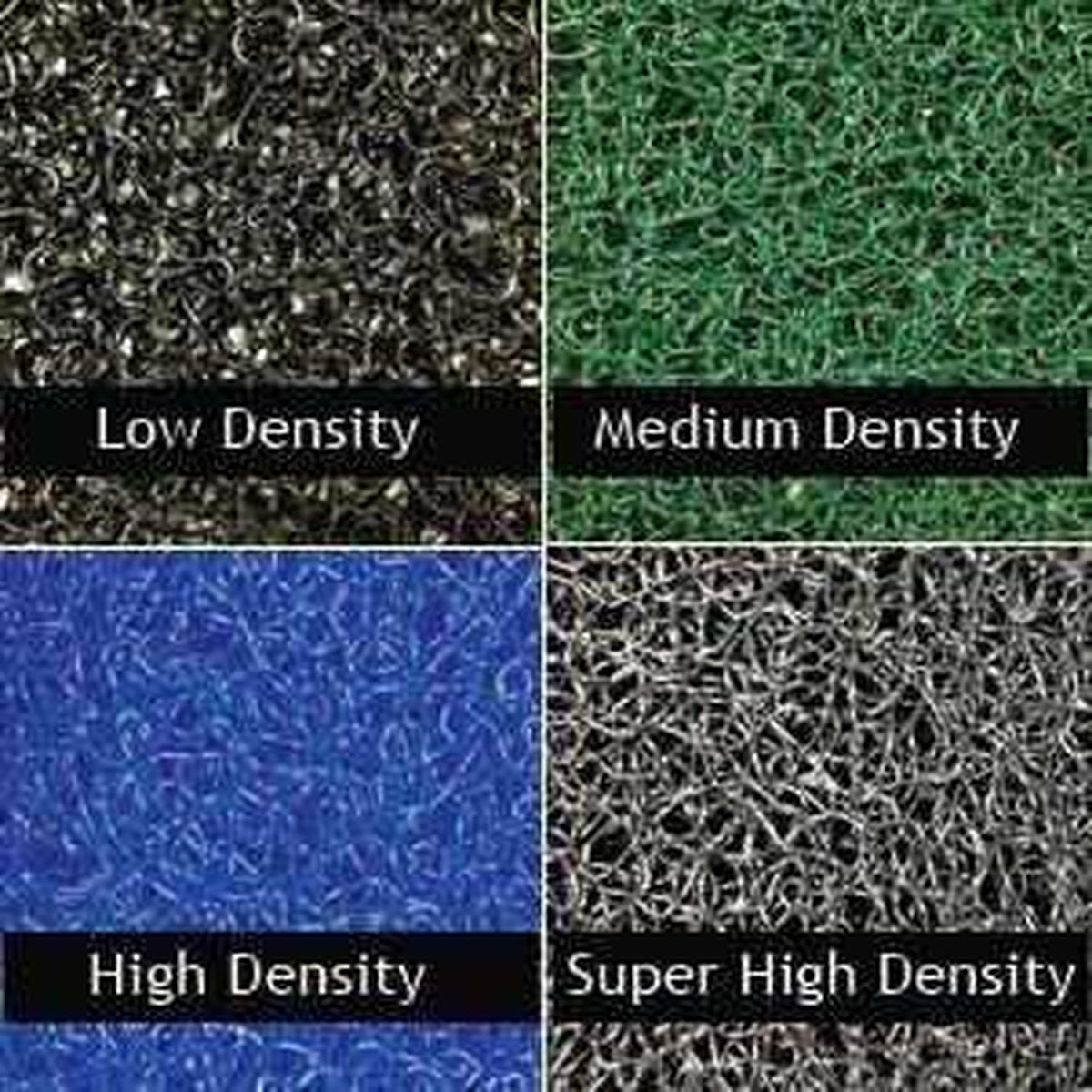
Tấm lọc Grey Matala sẽ lọc ra các hạt nhỏ hơn nhiều nhưng vẫn duy trì được sự phân phối dòng chảy tốt. Trong các hệ thống lớn hơn, cả bốn loại đều có thể được sử dụng theo trình tự để loại bỏ về cơ bản tất cả các chất rắn.
Vật liệu lọc Matala hoạt động hoàn hảo với thiết kế bộ lọc dòng chảy ngược. Cấu hình lý tưởng sẽ là vật liệu lọc Matala được đặt thẳng đứng thay vì nằm ngang. Điều này giúp vệ sinh dễ dàng hơn. Tất cả những gì bạn làm là lấy một mảnh riêng lẻ và lắc lên xuống để vệ sinh. Nếu khoang lọc của bạn được đóng gói quá chặt, hãy lấy ra một mảnh trước.
Đặt phẳng, bạn sẽ phải loại bỏ tất cả các mảnh để đến được mảnh bẩn ở dưới cùng. So le các mảnh thẳng đứng của bạn với mật độ thảm Matala khác nhau để loại bỏ chất rắn tốt hơn hoặc lọc sinh học tốt hơn tùy thuộc vào dung tích bể. Ví dụ, một mảnh Xanh lá cây bên cạnh một mảnh Xám sẽ tạo ra dòng chảy tốt xung quanh mảnh Xám và giữ chất rắn trong mảnh Xanh lá cây.
Gray Matala có sẵn ở dạng tờ nguyên khổ, 48" x 39" x 1,5" hoặc nửa tờ, 24" x 39" x 1,5". Tờ Gray Matala nguyên khổ có thể được gấp lại để vận chuyển. Tuy nhiên, nếp gấp sẽ để lại một nếp gấp vĩnh viễn ở giữa tờ. Điều này sẽ không ảnh hưởng xấu đến chức năng của phương tiện. Tờ Gray Matala nguyên khổ phải được vận chuyển bằng xe tải nếu bạn không muốn gấp. Kích thước nửa tờ có thể được vận chuyển tối đa 10 tờ mỗi hộp bằng UPS.
TẤT CẢ CÁC BÁN HÀNG VẬT LIỆU LỌC ĐỀU LÀ CUỐI CÙNG
Ước tính vận chuyển
Thanh toán & Bảo mật
Thông tin thanh toán của bạn được xử lý an toàn. Chúng tôi không lưu trữ thông tin thẻ tín dụng cũng như không có quyền truy cập vào thông tin thẻ tín dụng của bạn.
Bio media sizing
How much bio media does your pond need?
Ammonia comes from food, so that's where sizing starts. Tell us how much you feed and how warm the water runs — we'll size every media we carry against it.
1 How much do you feed?
2 How warm is the water?
Fine tuning
optionalMost koi diets run 35–40% protein — check your bag. Chamber fill only matters for moving-bed media like K1 or K+; aim for 50–65% so the media can actually tumble.
Design R is how many grams of ammonia one square metre of mature biofilm clears in a day. It is the divisor in this whole calculation — the single biggest lever on the answer.
R is not a property of the media. It's a property of the conditions: water temperature, dissolved oxygen, how briskly water moves across the biofilm, and how mature the bacterial colony is. The same K1 bead clears several times more ammonia in a well-aerated moving bed at 75°F than it does sitting in a static box at 50°F.
Because R divides, a lower R means more media. Choosing a conservative R is how you buy yourself safety margin.
What 0.50 assumes
Not all the nitrogen in food becomes ammonia — some is built into fish growth, some leaves as solids you skim out. This is the share that reaches the water column. 0.75 suits most ponds.
Every media compared
How much food goes in
Everything starts here. Food is the only meaningful source of ammonia in a koi pond, so what you feed sets the size of the biofilter you need.
How much ammonia that produces
Protein is about 16% nitrogen by weight. Only part of that nitrogen reaches the water as TAN — total ammonia nitrogen — because fish retain some as growth and some leaves as solids.
How much biofilm surface that needs
R is the nitrification rate — the ammonia one square metre of biofilm clears per day. Cold water and low oxygen slow the bacteria down, which is why a cold pond needs more media, not less.
How much media that is
Each media has a specific surface area — the square metres of usable biofilm surface packed into a cubic metre. Divide the surface you need by that figure and you have the volume to buy.
Oxygen the biofilter consumes
Nitrification burns roughly 4.6 g of oxygen per gram of ammonia processed. Warm water holds less dissolved oxygen exactly when demand peaks — so if you run warm, add aeration or size using a lower R.
Alkalinity the biofilter consumes
Each gram of ammonia processed also consumes about 7.1 g of carbonate hardness. Keep KH in the 100–150 mg/L range; if it falls, pH turns unstable and the filter stalls.
How KH gets used up, and what it takes to hold it steady →
A note on accuracy. Figures marked Verified are published by the manufacturer. Figures marked Estimated are derived from a published total surface area or from media geometry. Sizing a biofilter is a design exercise, not a precise measurement — when in doubt, size up.