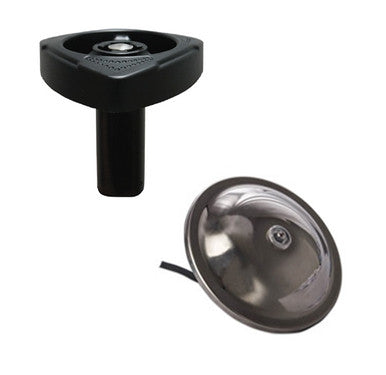
Koi Pond Heaters and De-Icers for Winter Protection
Protecting koi through harsh winters is one of the most important responsibilities of pond ownership. Play It Koi carries a full range of pond heaters, floating de-icers, and inline heating systems from leading brands including Aqua Logic, K&H Pet Products, EasyPro, Farm Innovators, and ZP2. Whether maintaining an open hole in the ice or heating the entire pond through winter, the right equipment keeps your koi safe and healthy until spring.
Pond Heaters vs. De-Icers — What is the Difference?
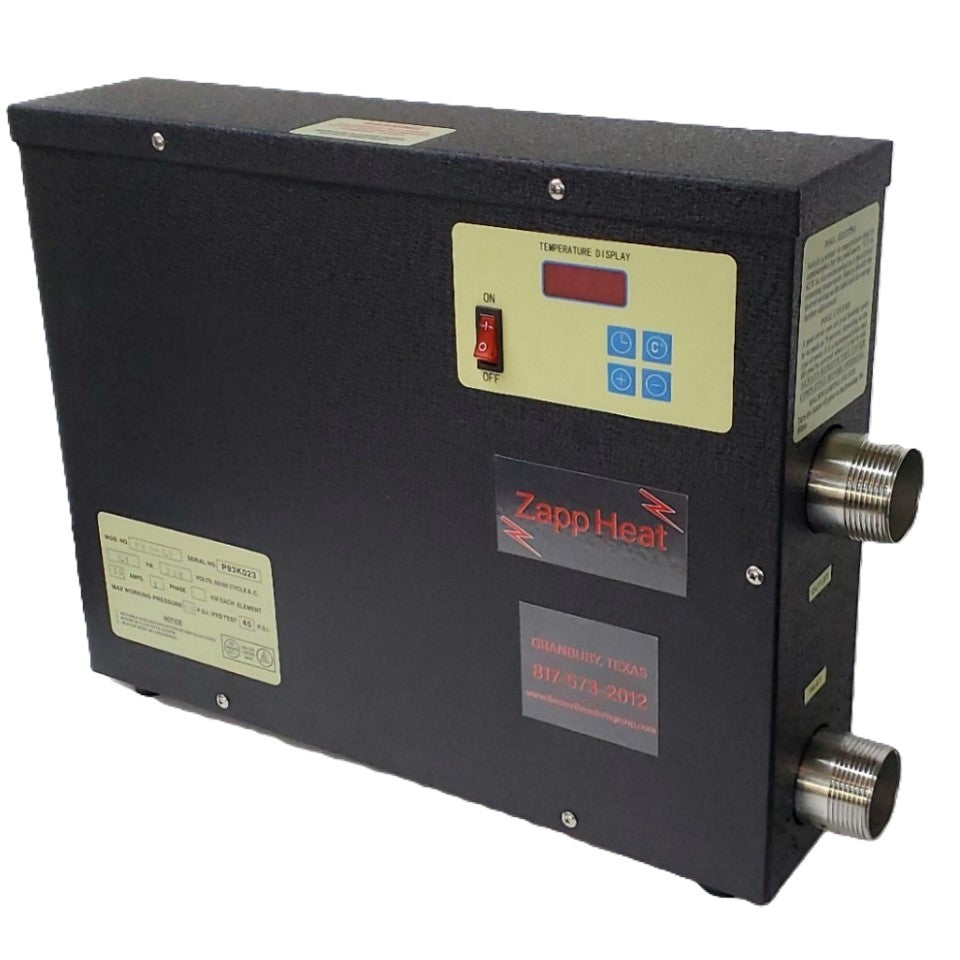
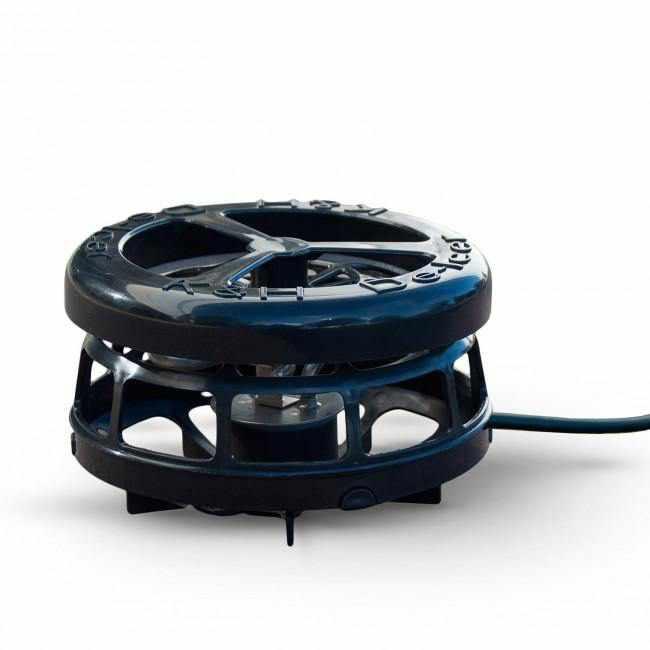
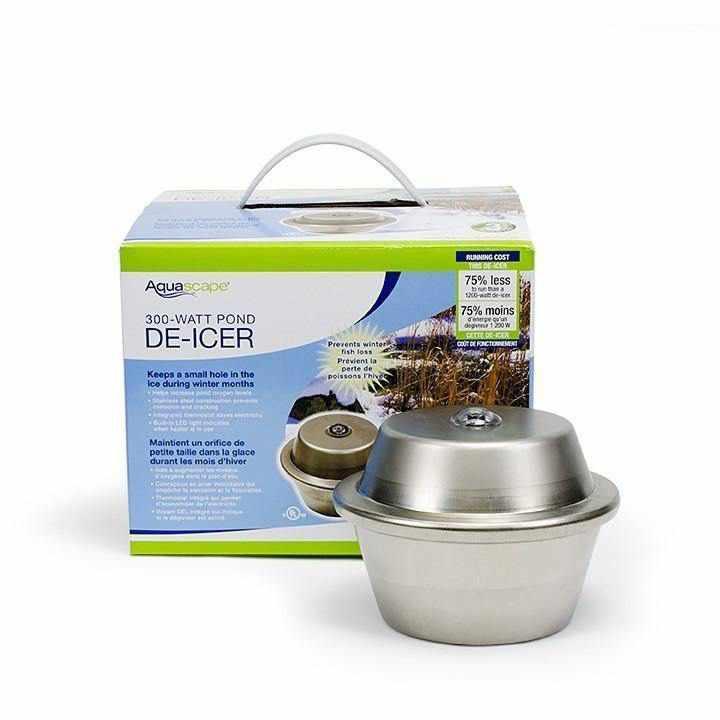
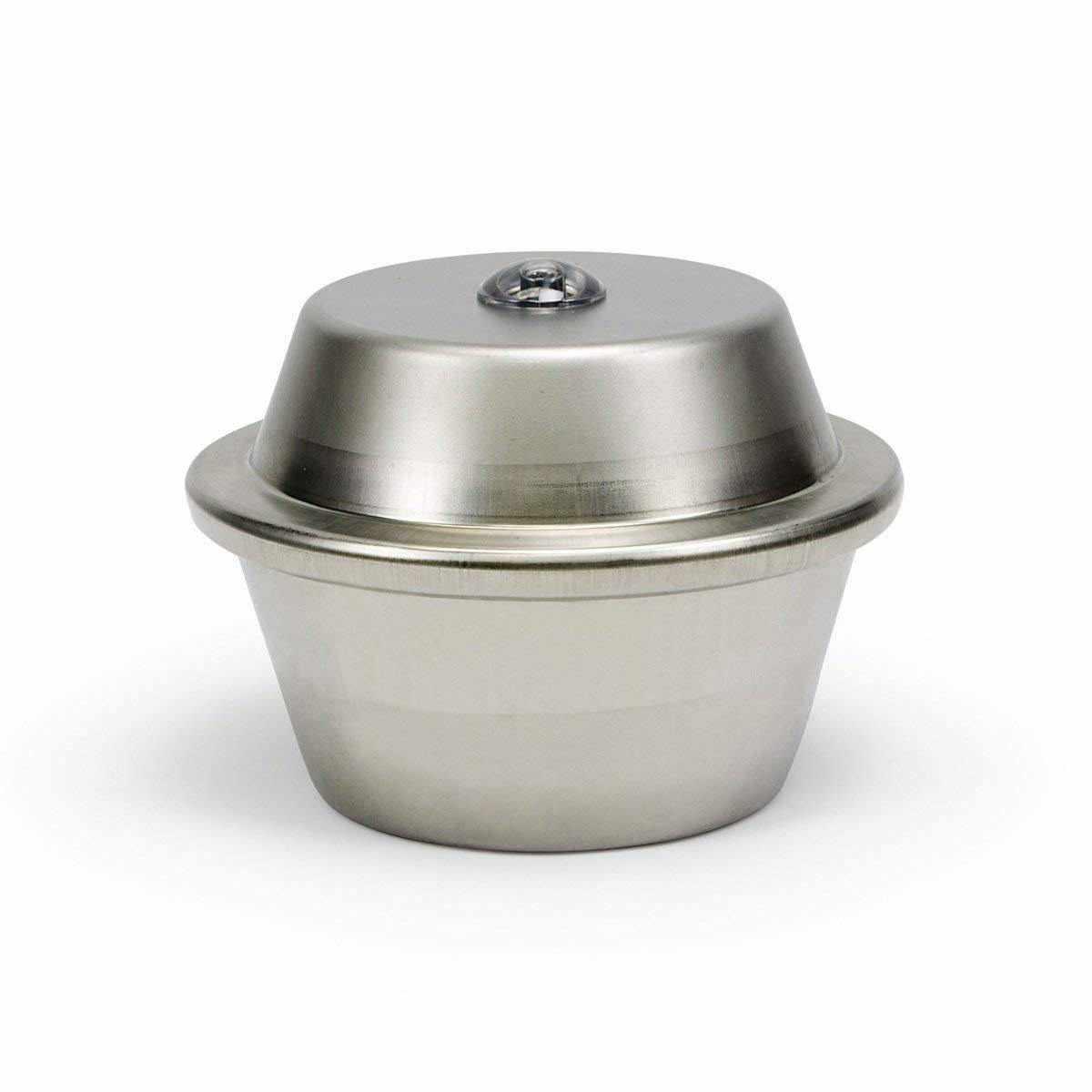
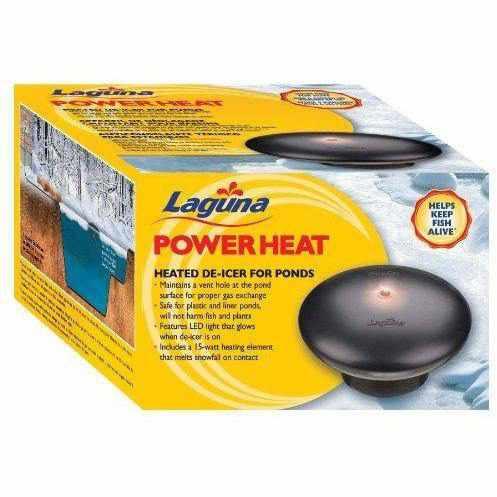
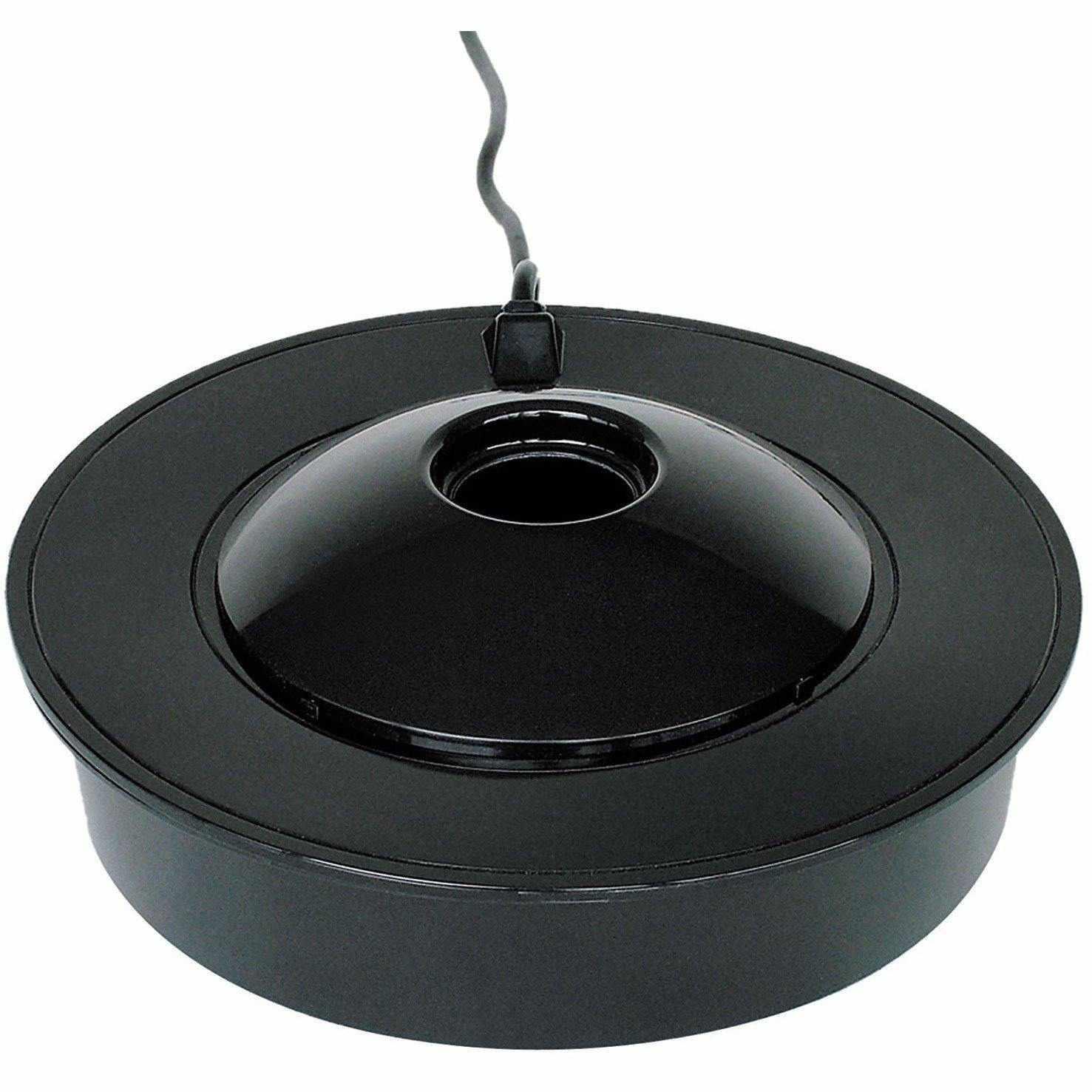
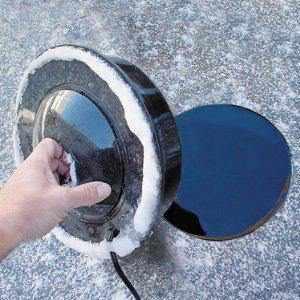
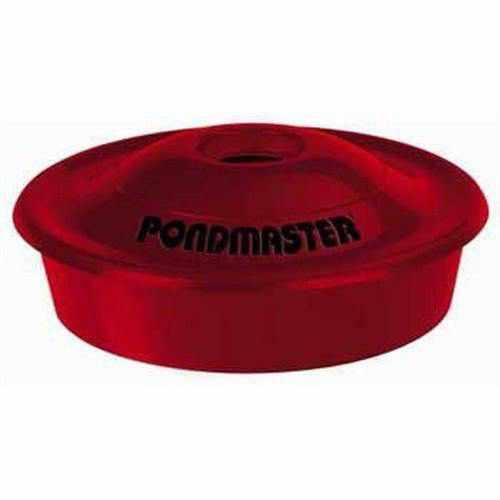
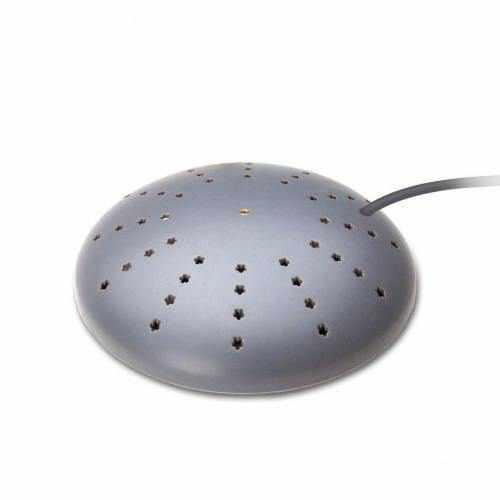
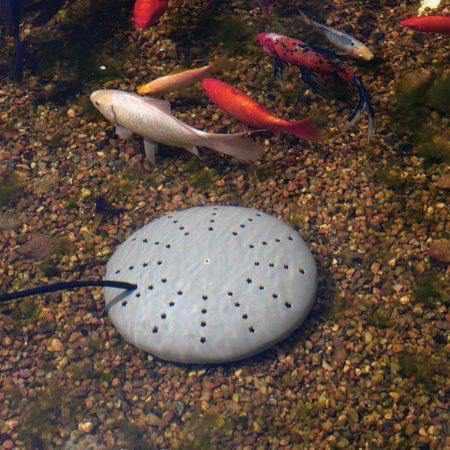
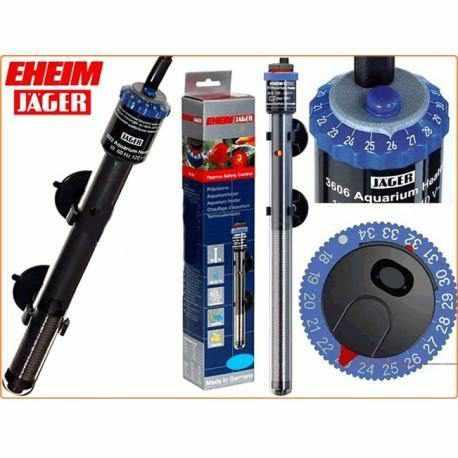
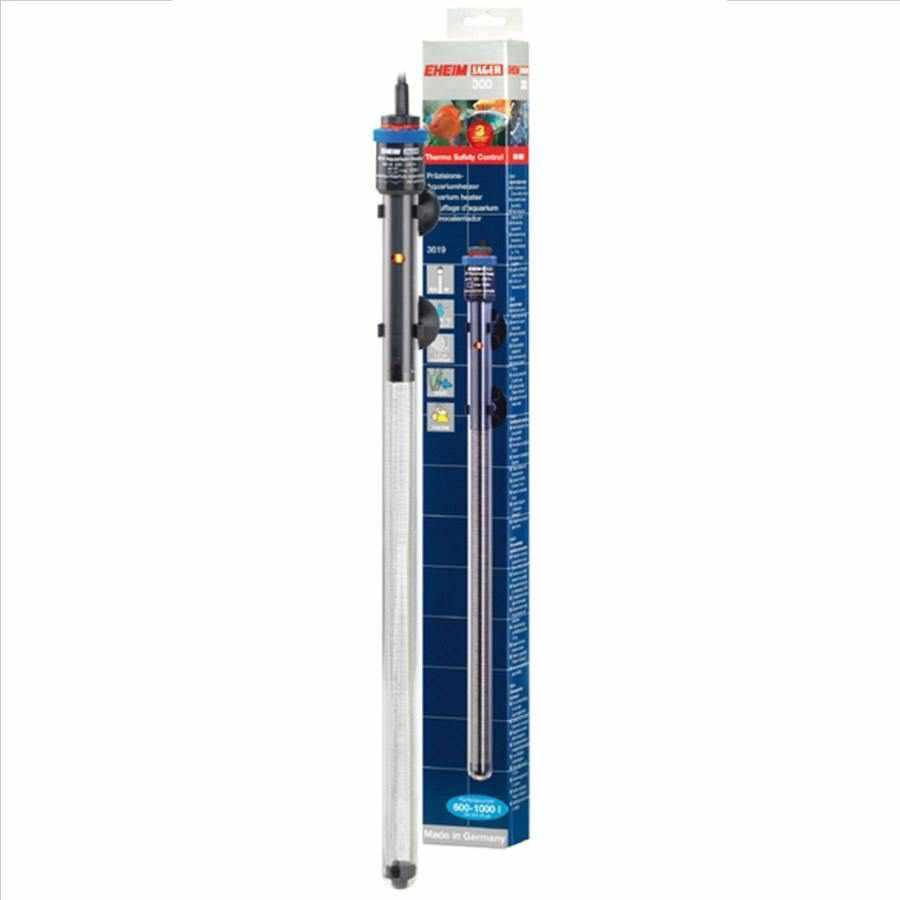
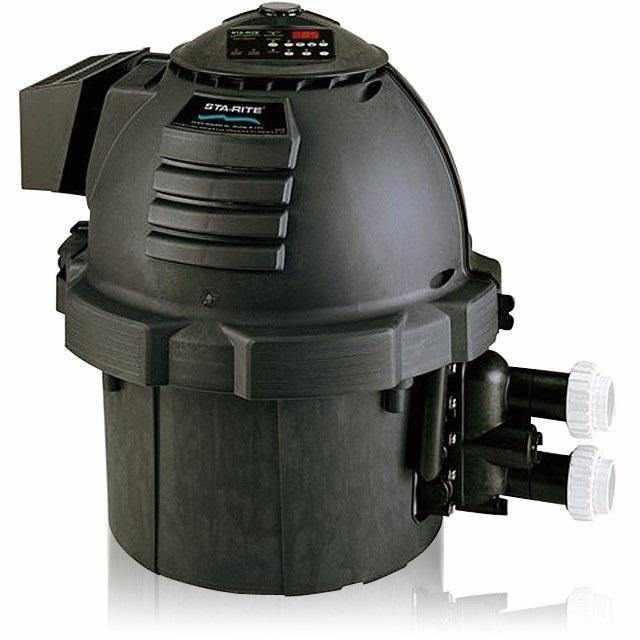
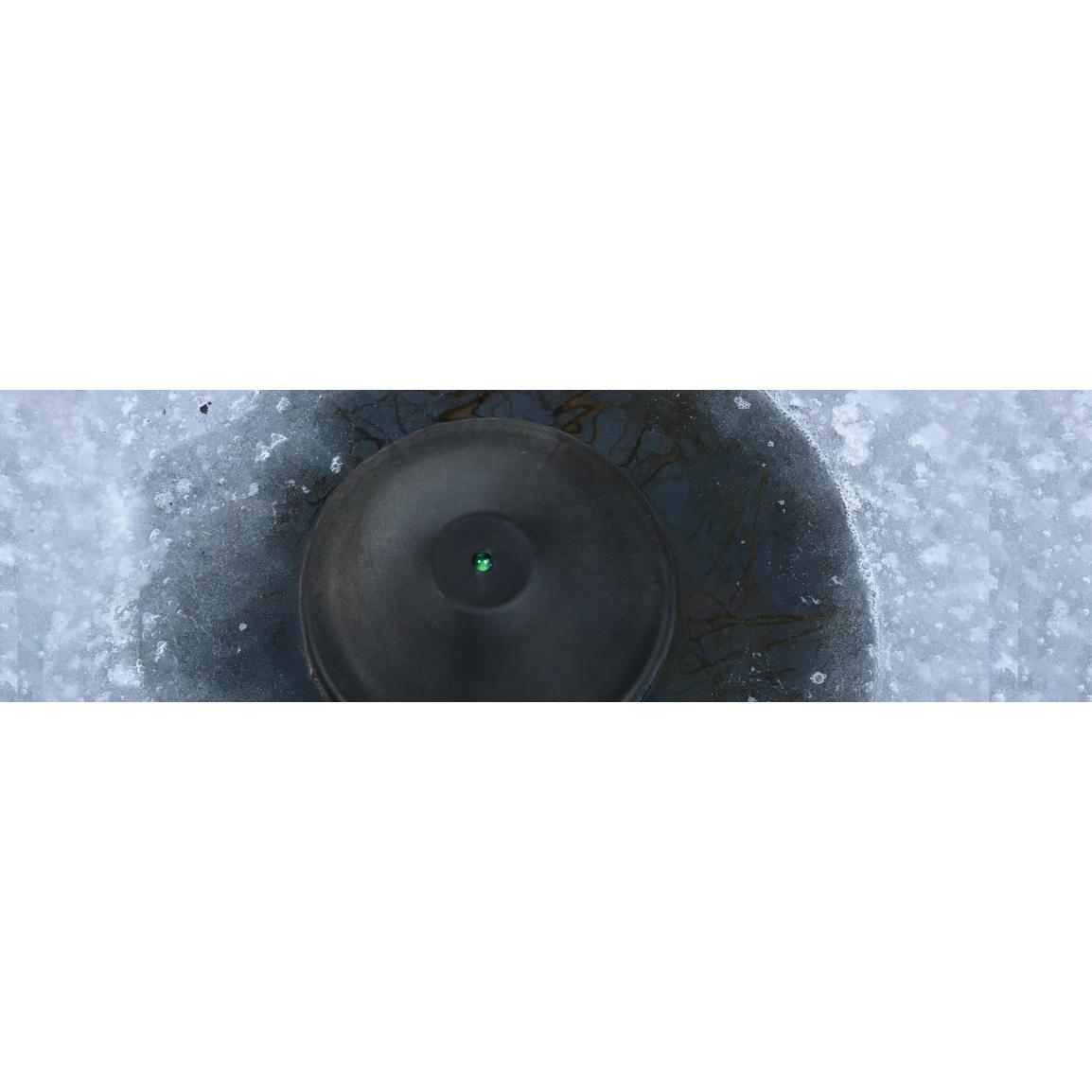
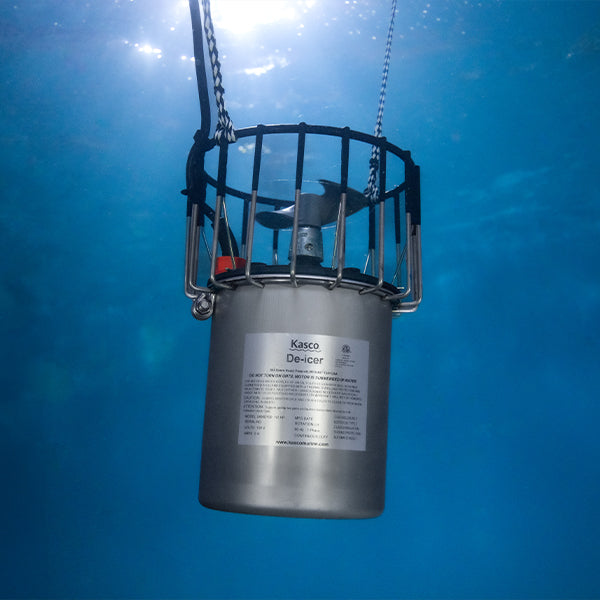
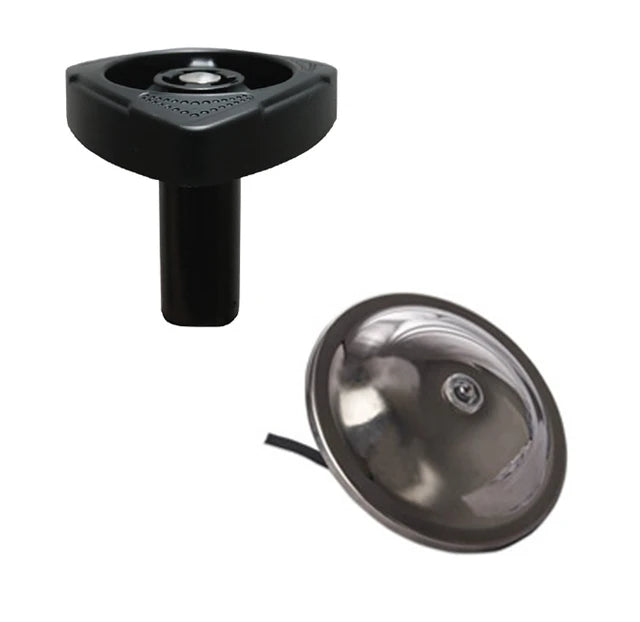
These terms are often used interchangeably, but they serve different purposes. A floating de-icer is a thermostatically controlled heating element that sits on the pond surface and keeps a small area of water ice-free for gas exchange. De-icers use 100 to 1,500 watts and are the most common winter tool for backyard koi ponds. A pond heater (also called an inline heater or heat pump) actually raises the water temperature of the entire pond, allowing koi to remain active, feeding, and growing through winter. Inline heaters like the Aqua Logic and ZP2 systems are plumbed into the return line after the filter.
Do You Need to Heat Your Koi Pond?
Most koi survive winter without supplemental heating as long as the pond is deep enough (minimum three feet), a hole is maintained in the ice for gas exchange, and aeration keeps dissolved oxygen levels adequate. Heating becomes necessary for ponds in extreme climates, for protecting valuable or delicate koi varieties, and for breeders who want to extend the growing season. Many serious koi keepers heat their ponds to 55 to 60 degrees year-round to maintain koi condition and immune function during winter months.
Sizing and Wattage Considerations
For de-icers, one 1,000 to 1,500 watt unit is sufficient for most backyard ponds up to 5,000 gallons. For inline heaters, sizing depends on pond volume, desired temperature, ambient conditions, and insulation. A general guideline is 5 to 10 watts per gallon for a 10-degree temperature rise above ambient. Aqua Logic and ZP2 publish detailed sizing charts. Always account for heat loss through the surface — floating insulation or a pond cover dramatically reduces energy costs.
Seasonal Transition Tips
Install de-icers and heaters before the first freeze. Pair them with a fall and winter preparation routine that includes netting to keep leaves out, reducing feeding as temperatures drop, and switching to cold-water bacteria. In spring, monitor water quality closely as temperatures rise and koi metabolism reactivates. Browse spring pond supplies for everything needed to restart your pond safely.
What is the difference between a pond heater and a de-icer?
A de-icer is a floating device that keeps a small hole open in the ice for gas exchange — it does not heat the entire pond. A pond heater (inline heater or heat pump) raises the water temperature of the whole pond, keeping koi active and feeding through winter. De-icers are sufficient for most hobbyists, while heaters are preferred for high-value koi or extreme climates.
How many watts do I need for a pond heater or de-icer?
For a floating de-icer, 1,000 to 1,500 watts handles most backyard ponds up to 5,000 gallons. For inline heaters that warm the entire pond, plan on 5 to 10 watts per gallon for a 10-degree temperature increase above the ambient air temperature. Insulating covers and floating blankets reduce the heating load significantly.
Should I heat my koi pond in winter?
Most koi survive winter without full pond heating if the pond is at least three feet deep, an ice hole is maintained for gas exchange, and aeration provides adequate oxygen. Full heating is recommended for show-quality koi, very cold climates, shallow ponds, or breeders who want year-round growth. At minimum, use a floating de-icer and aerator for winter safety.