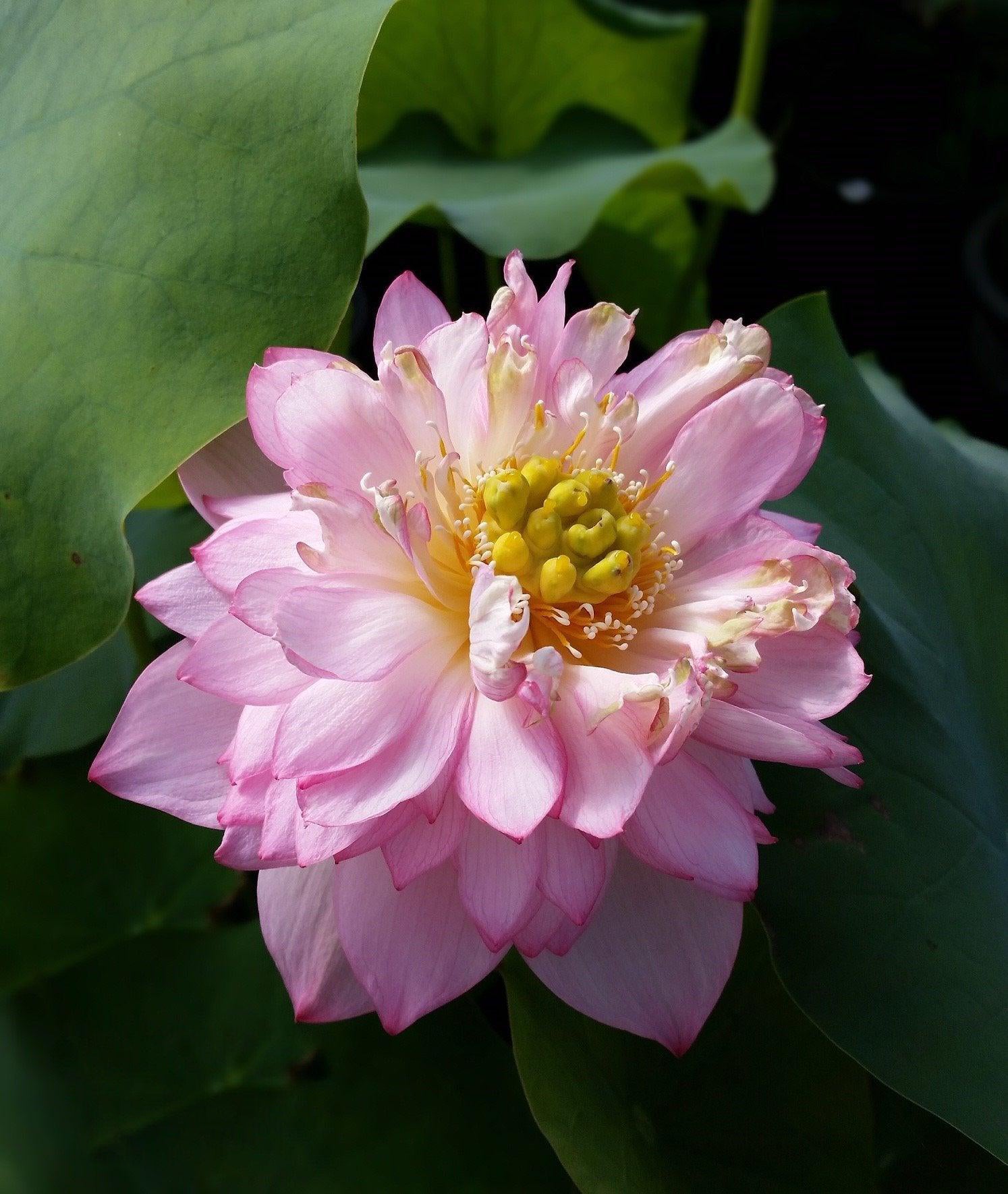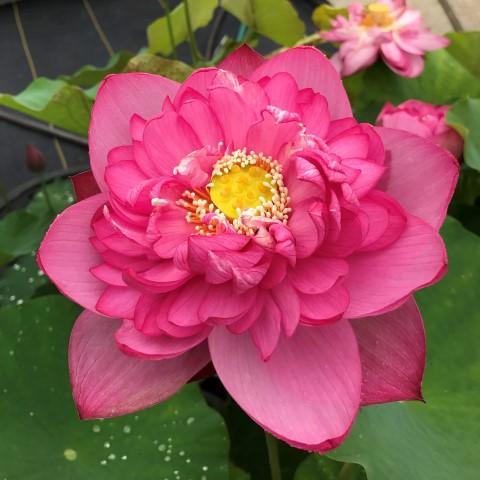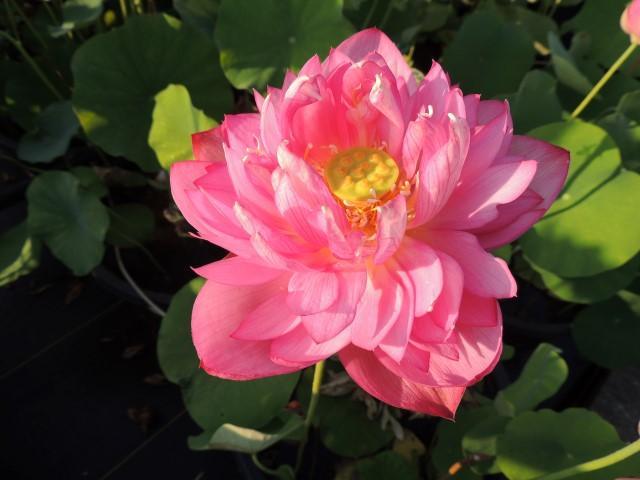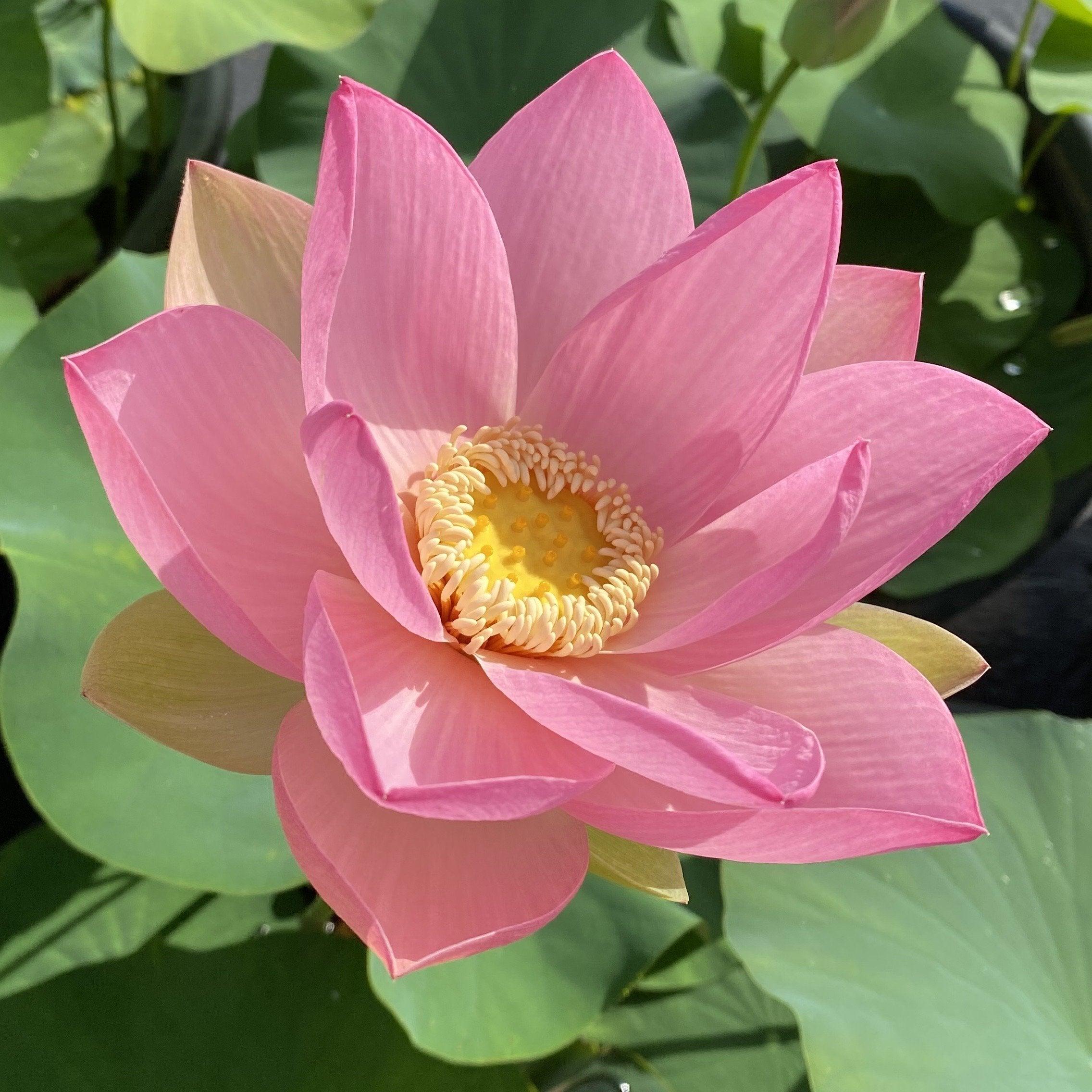
Pond Plants
736 products
Showing 625 - 648 of 736 products
Pond Plants — Living Filtration for Beautiful Water Gardens
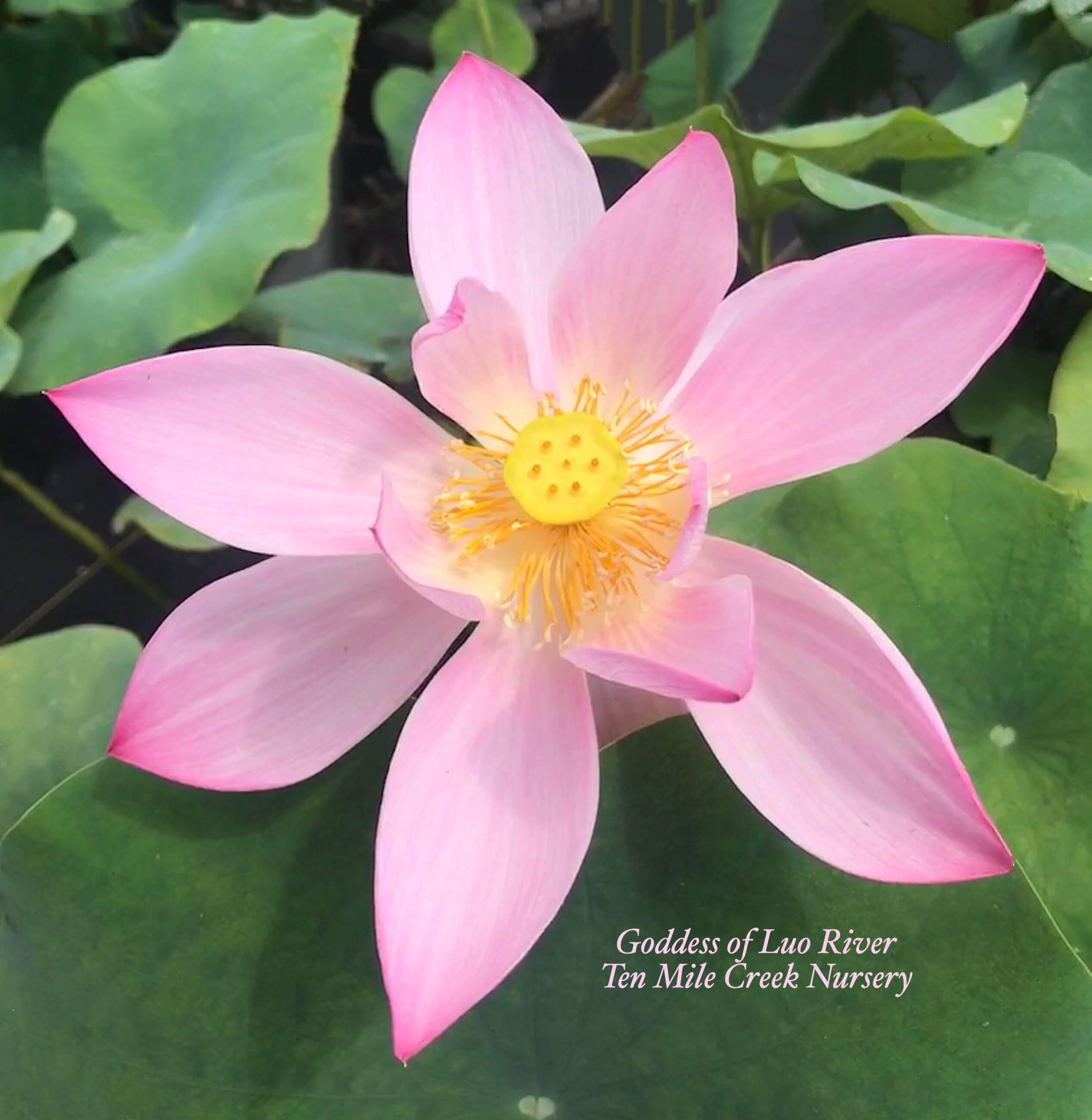
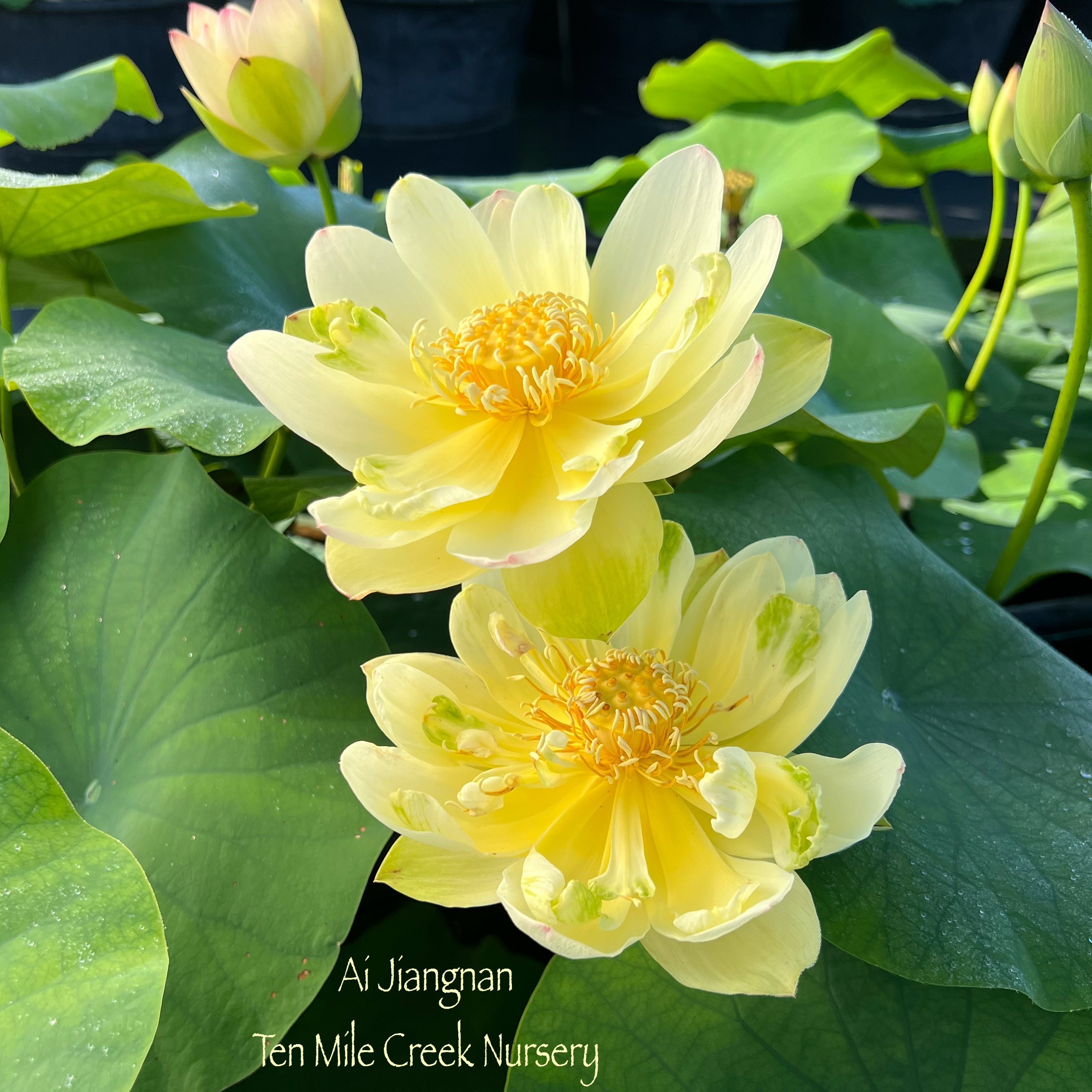
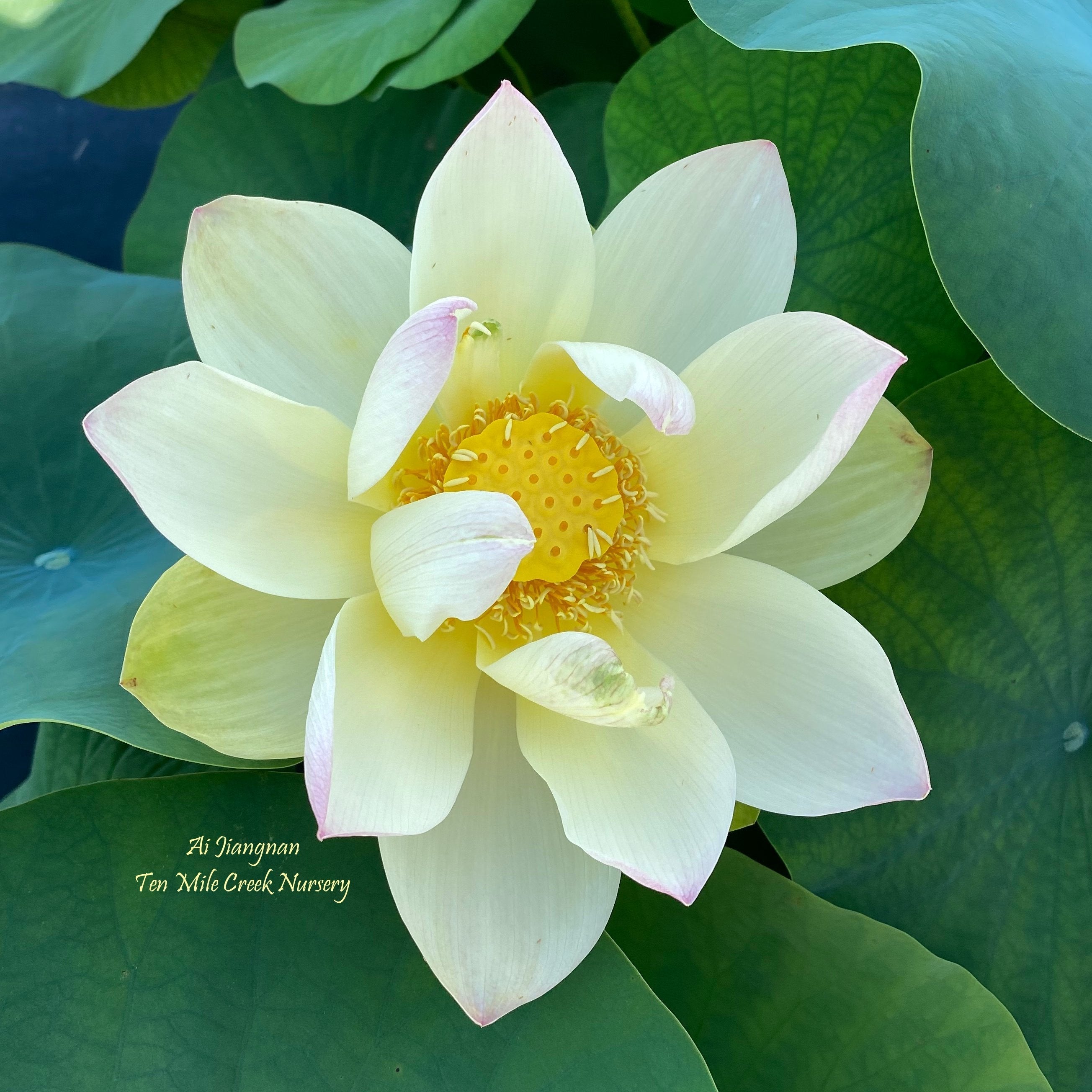
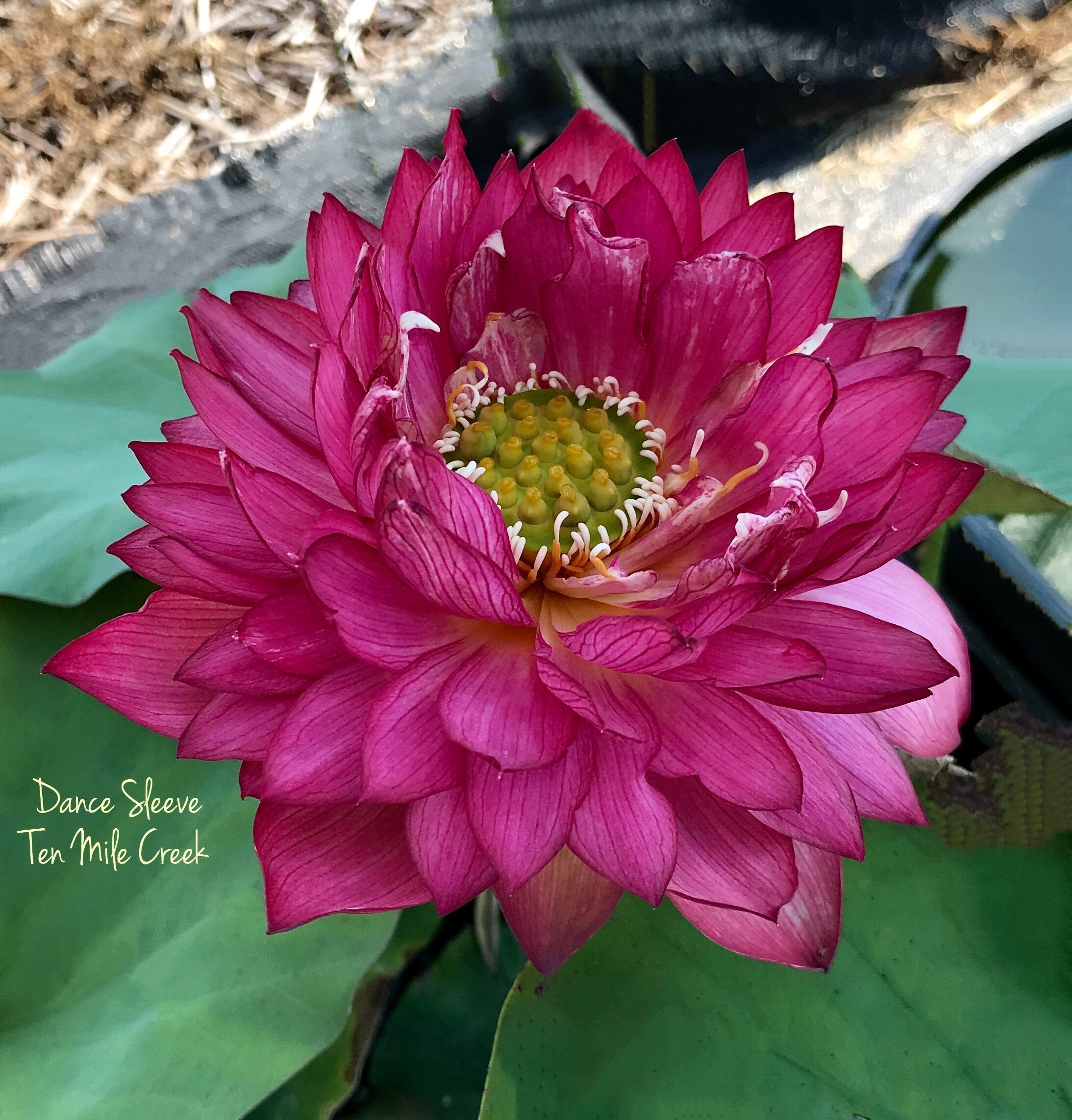
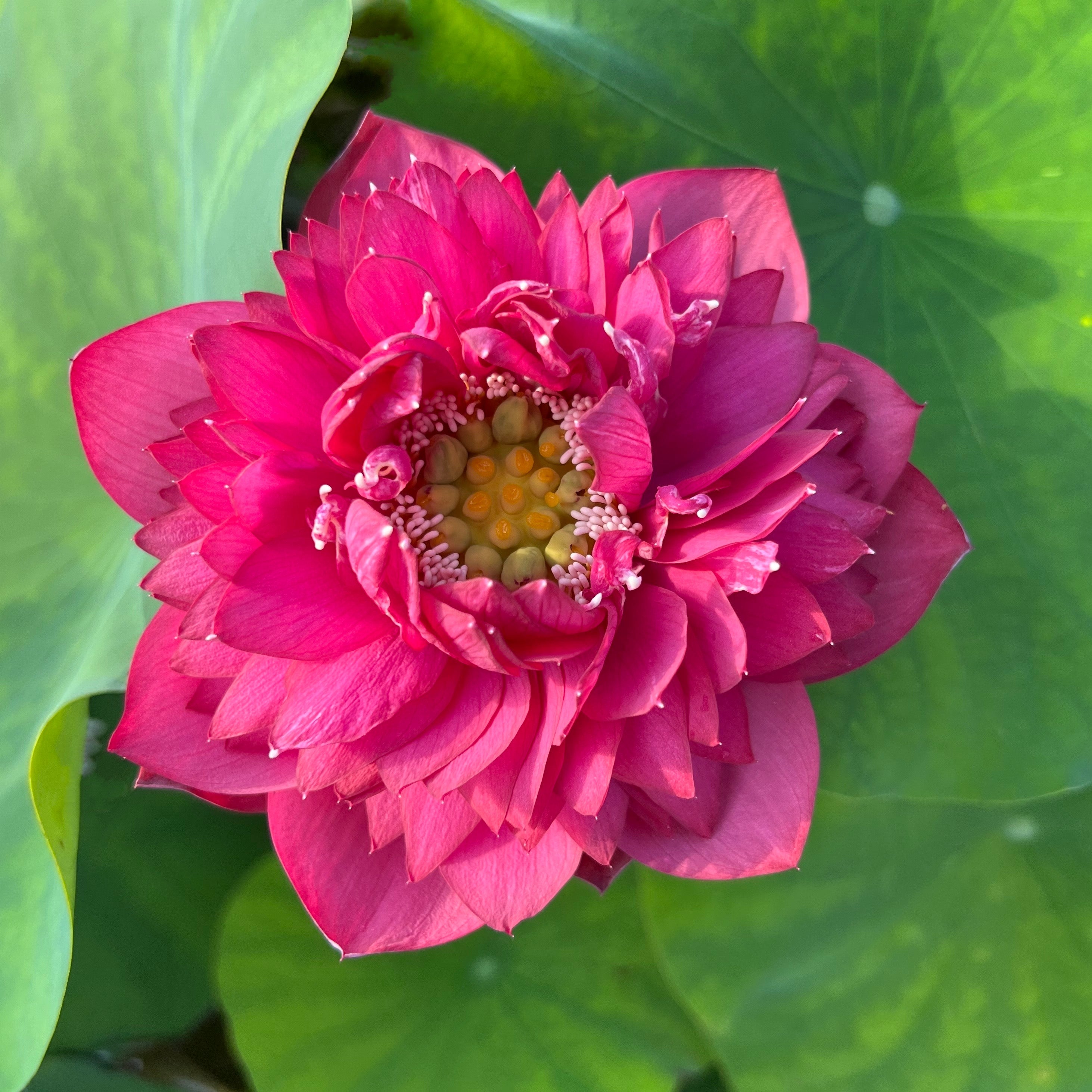
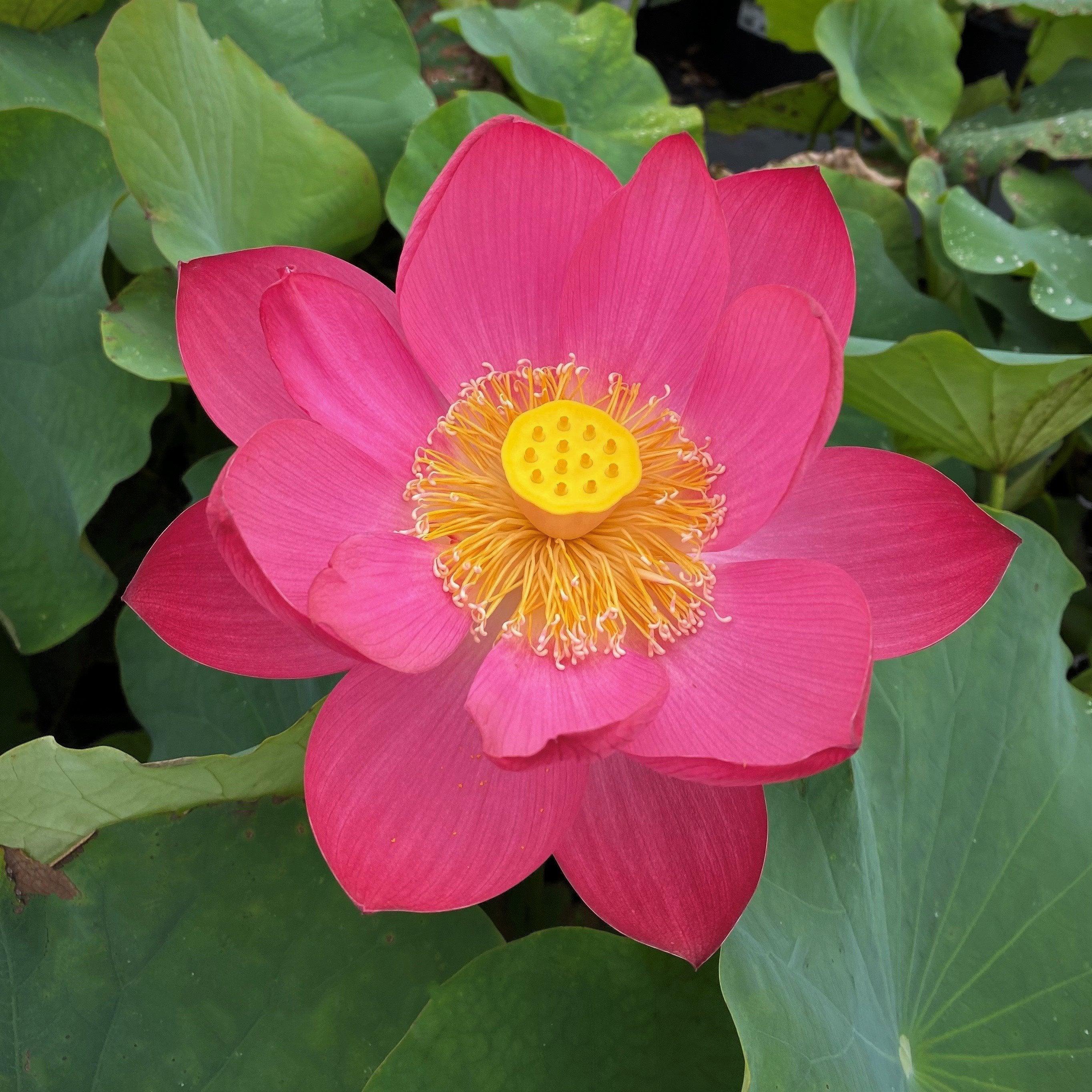
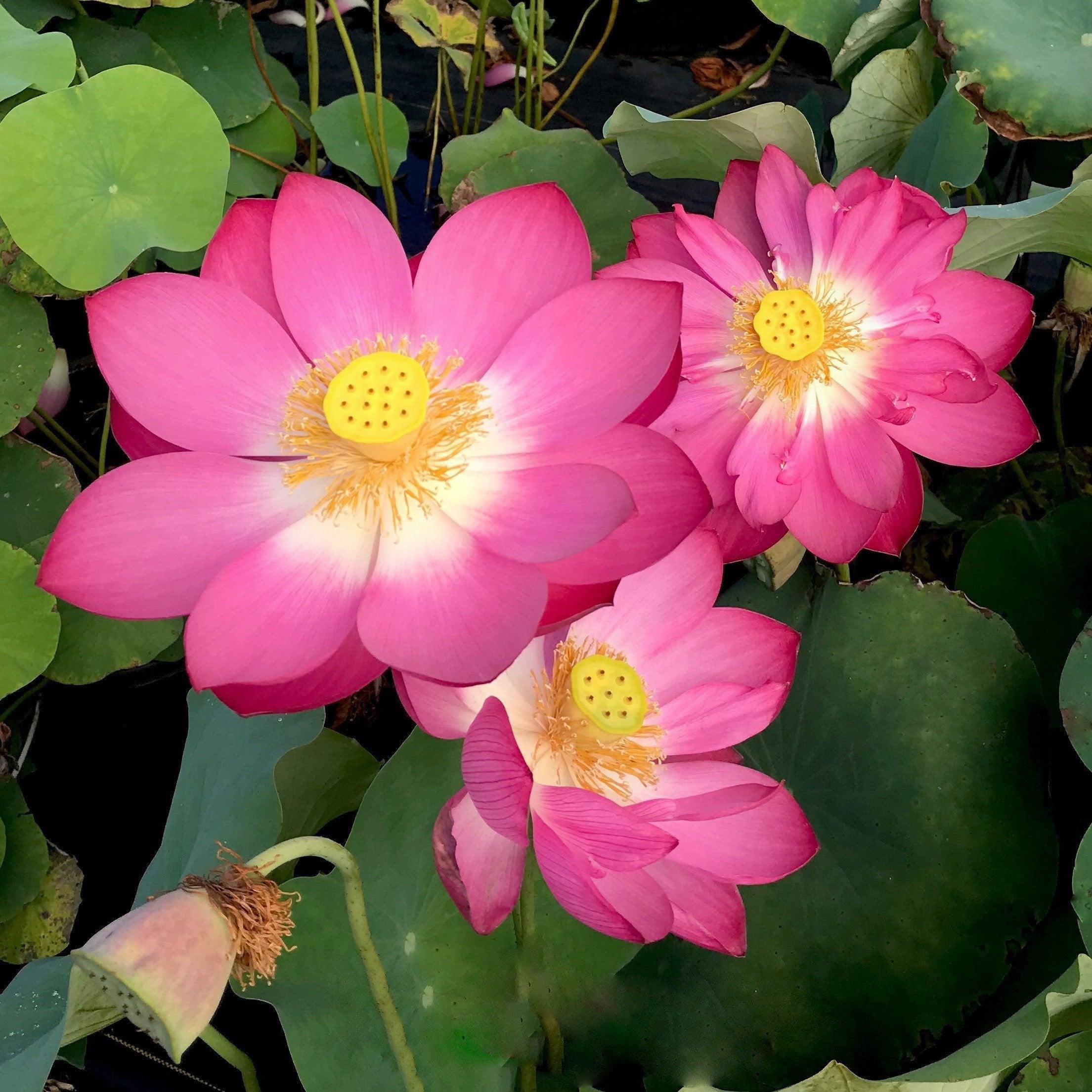
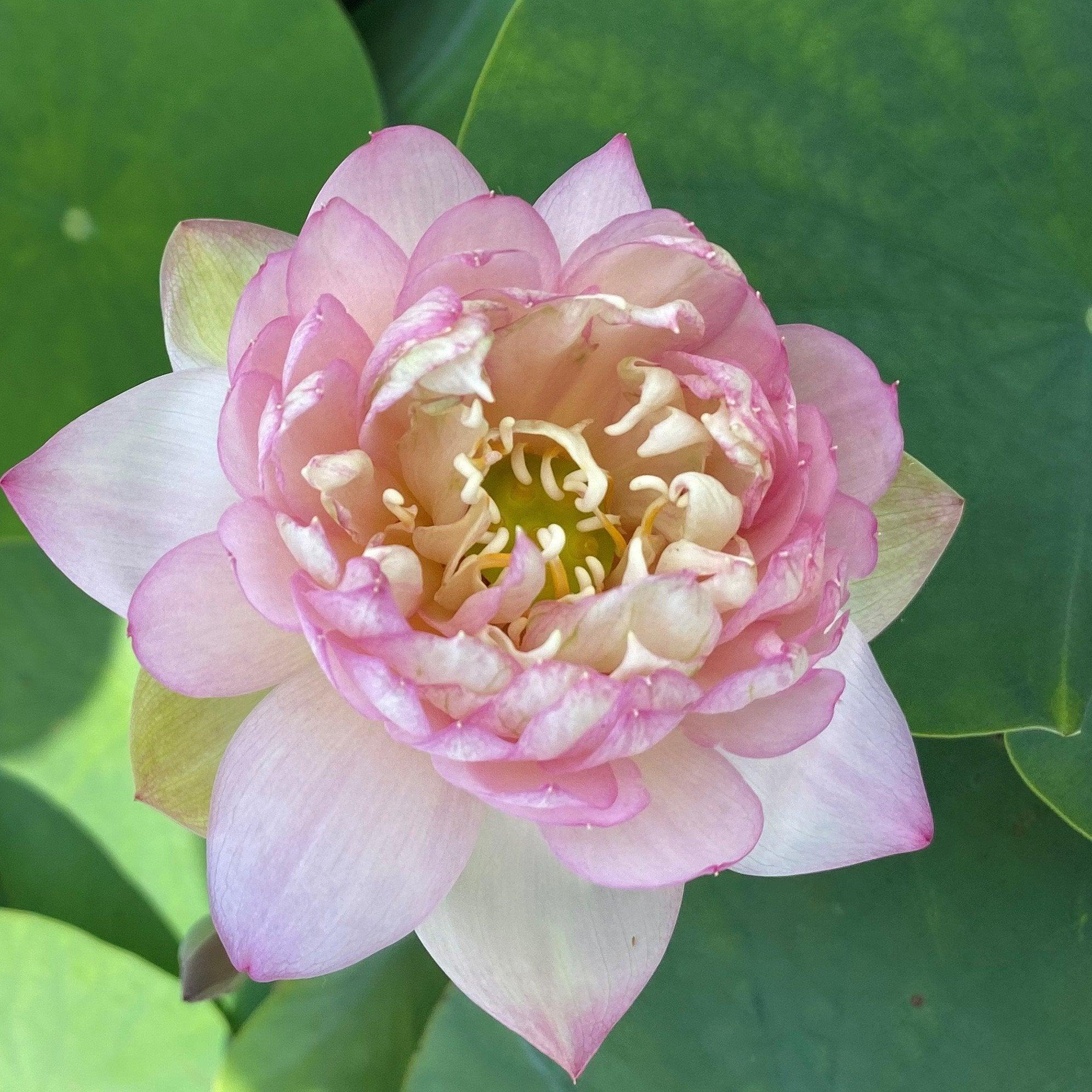
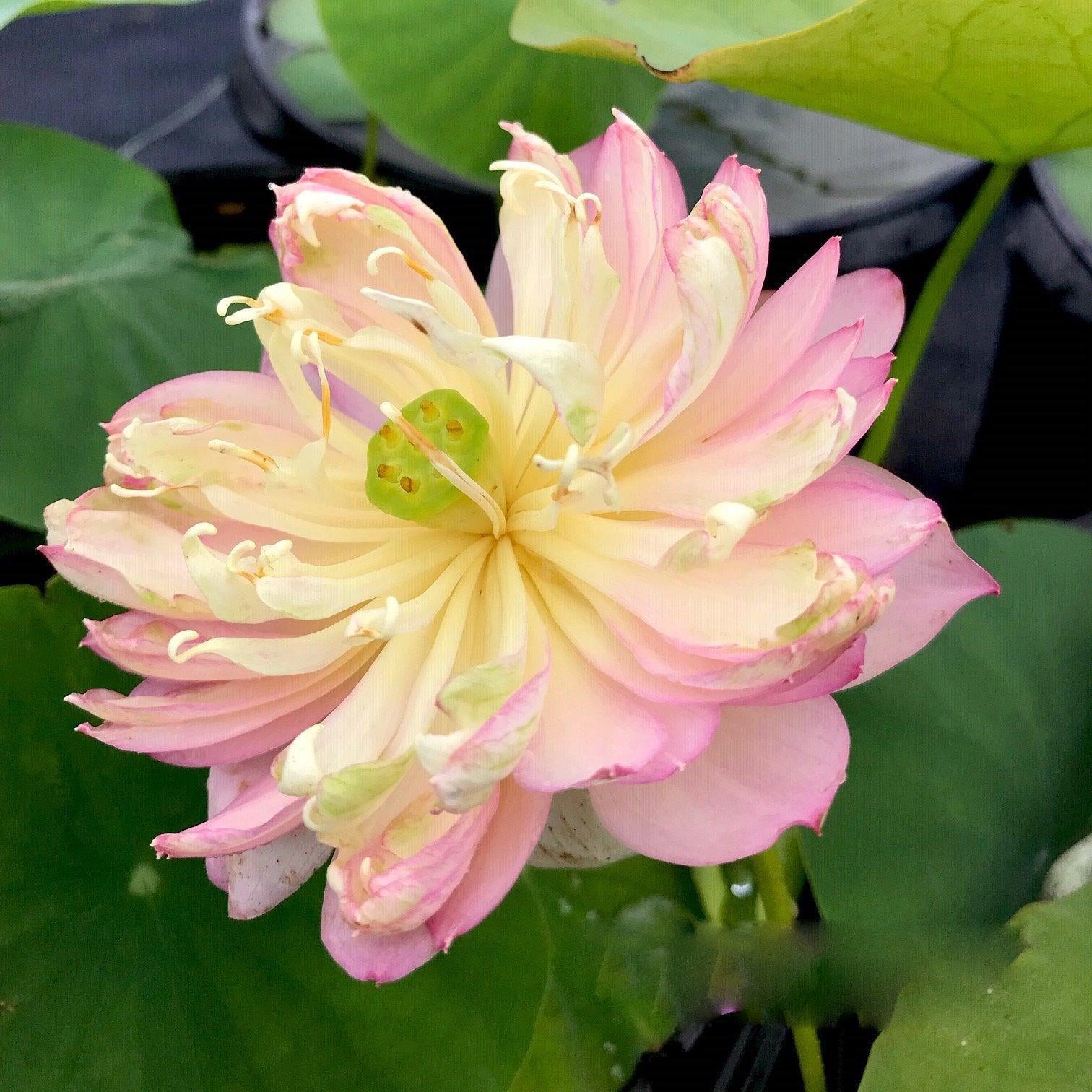
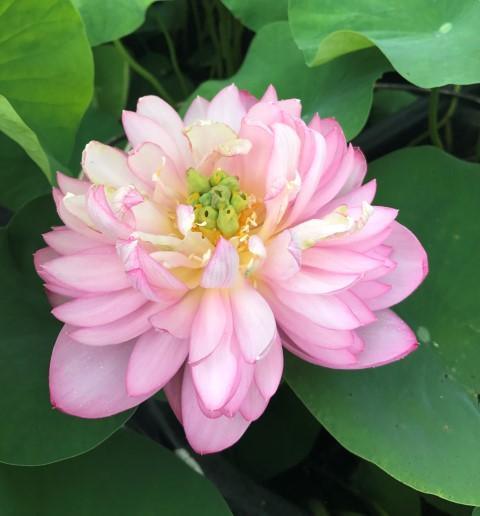
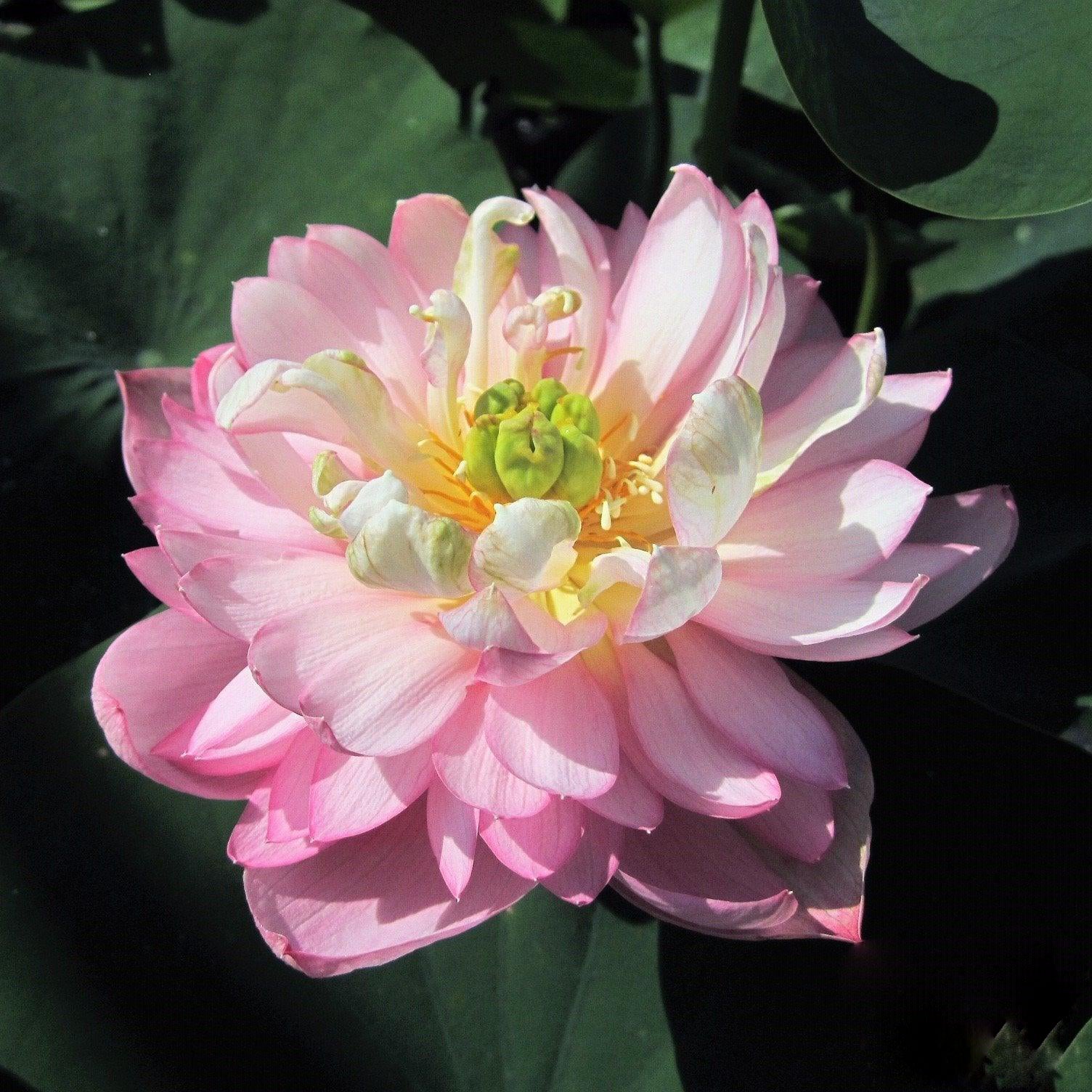
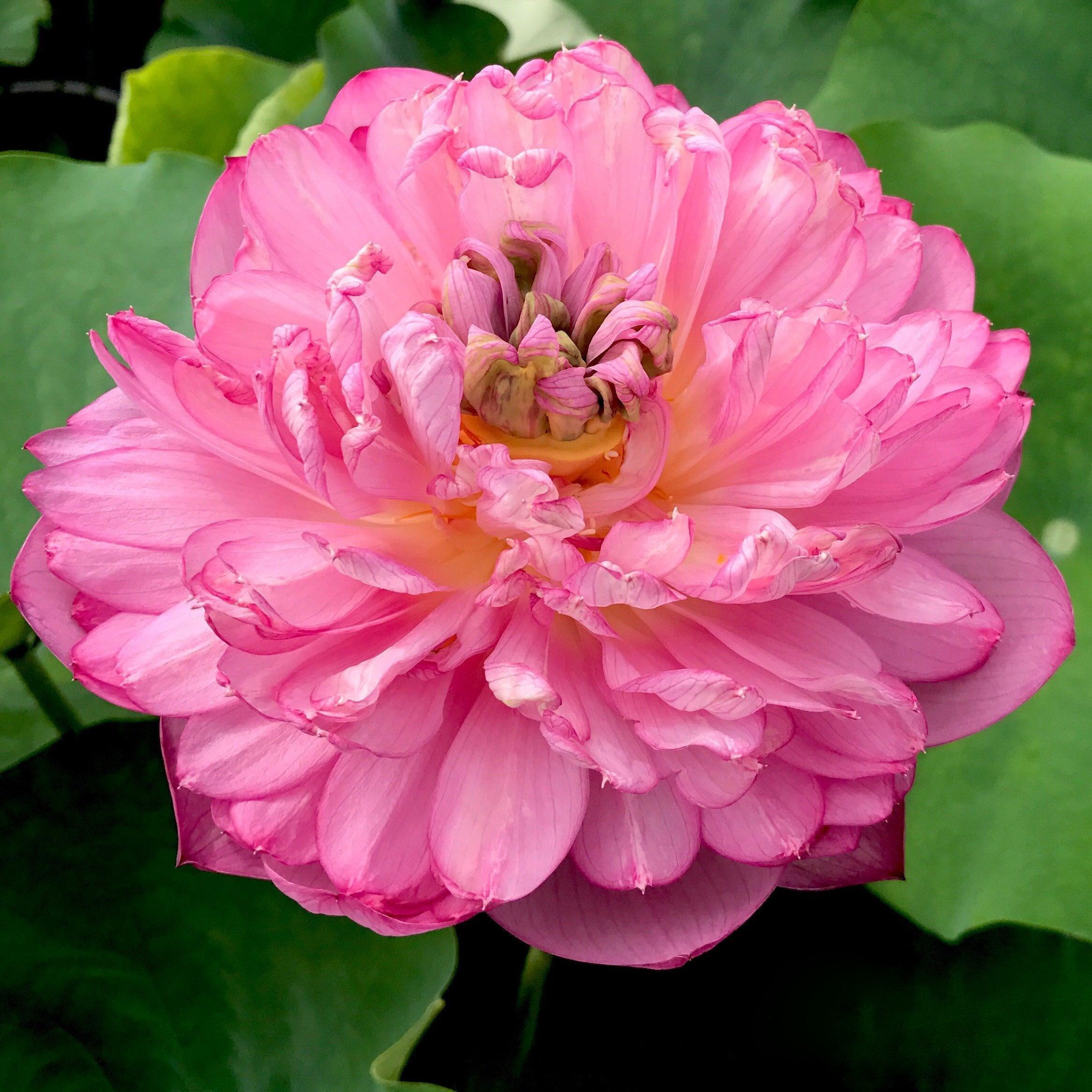
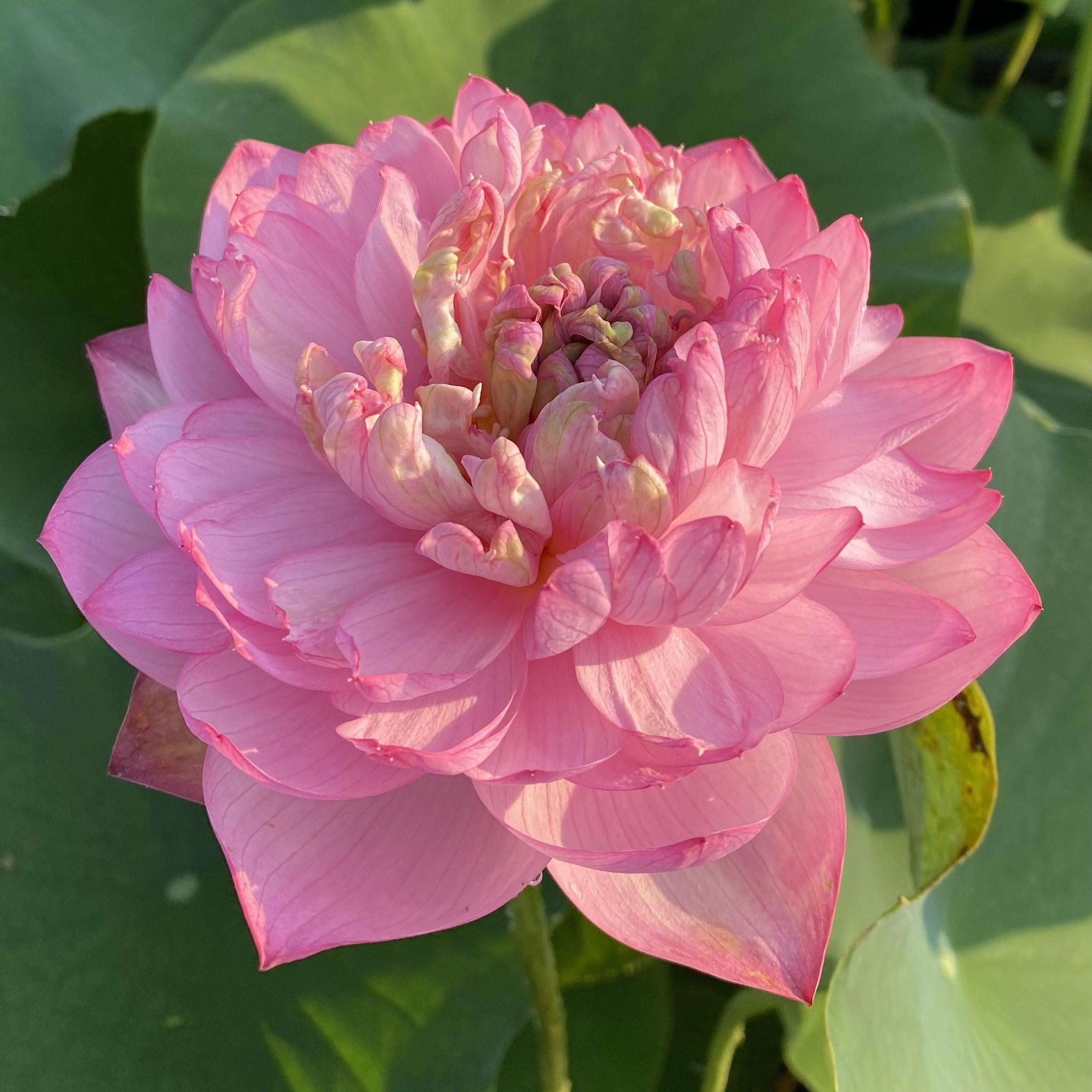
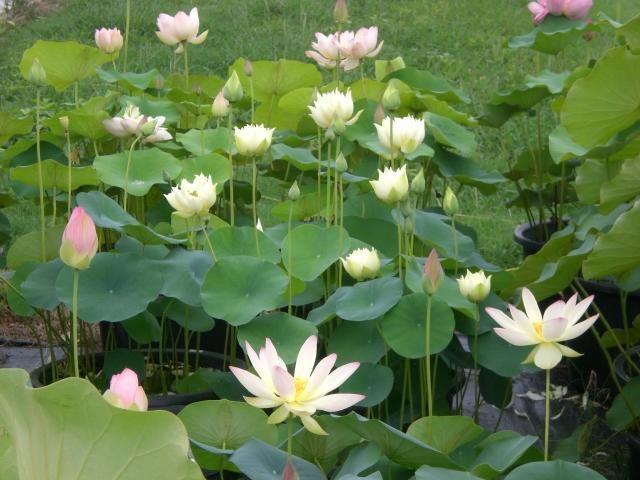
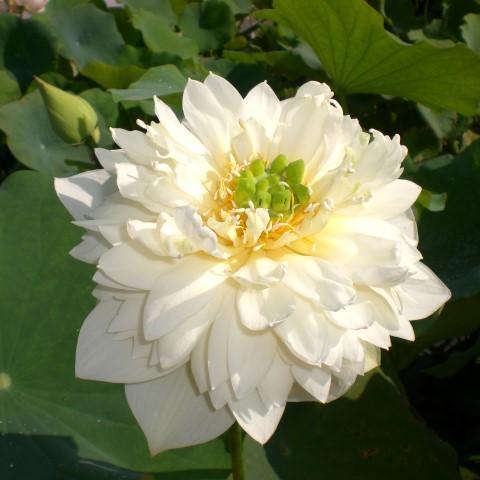
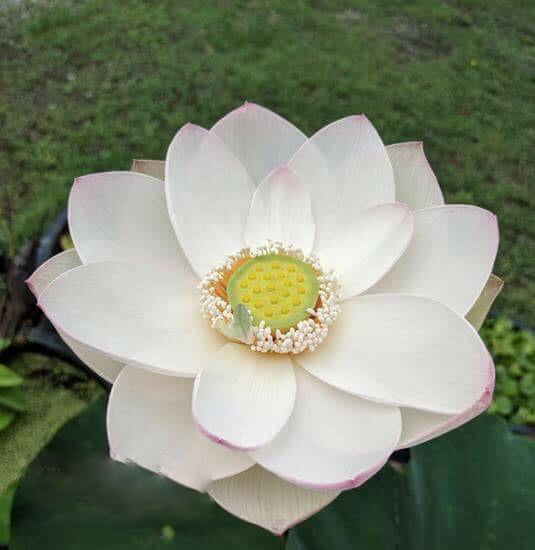
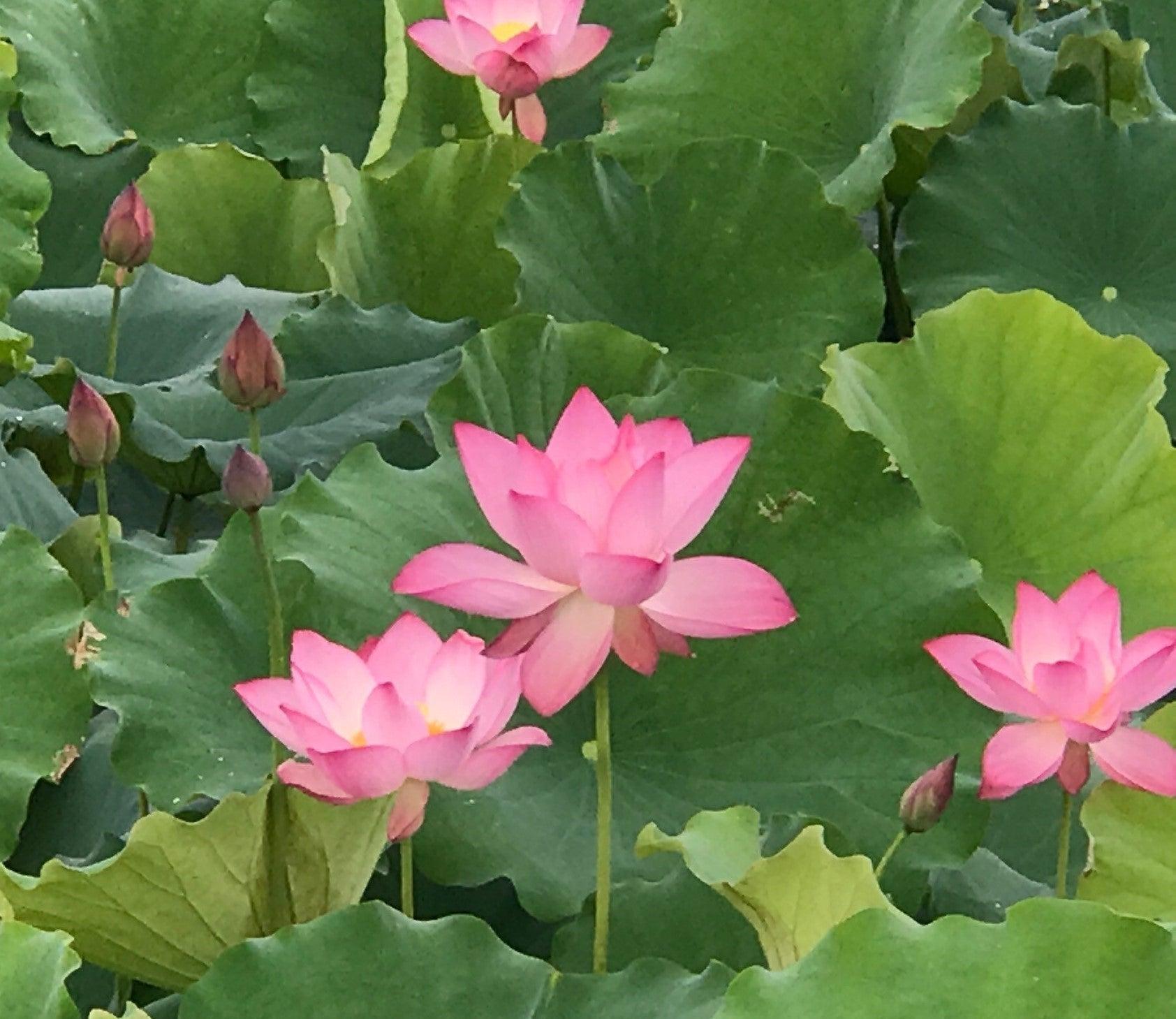
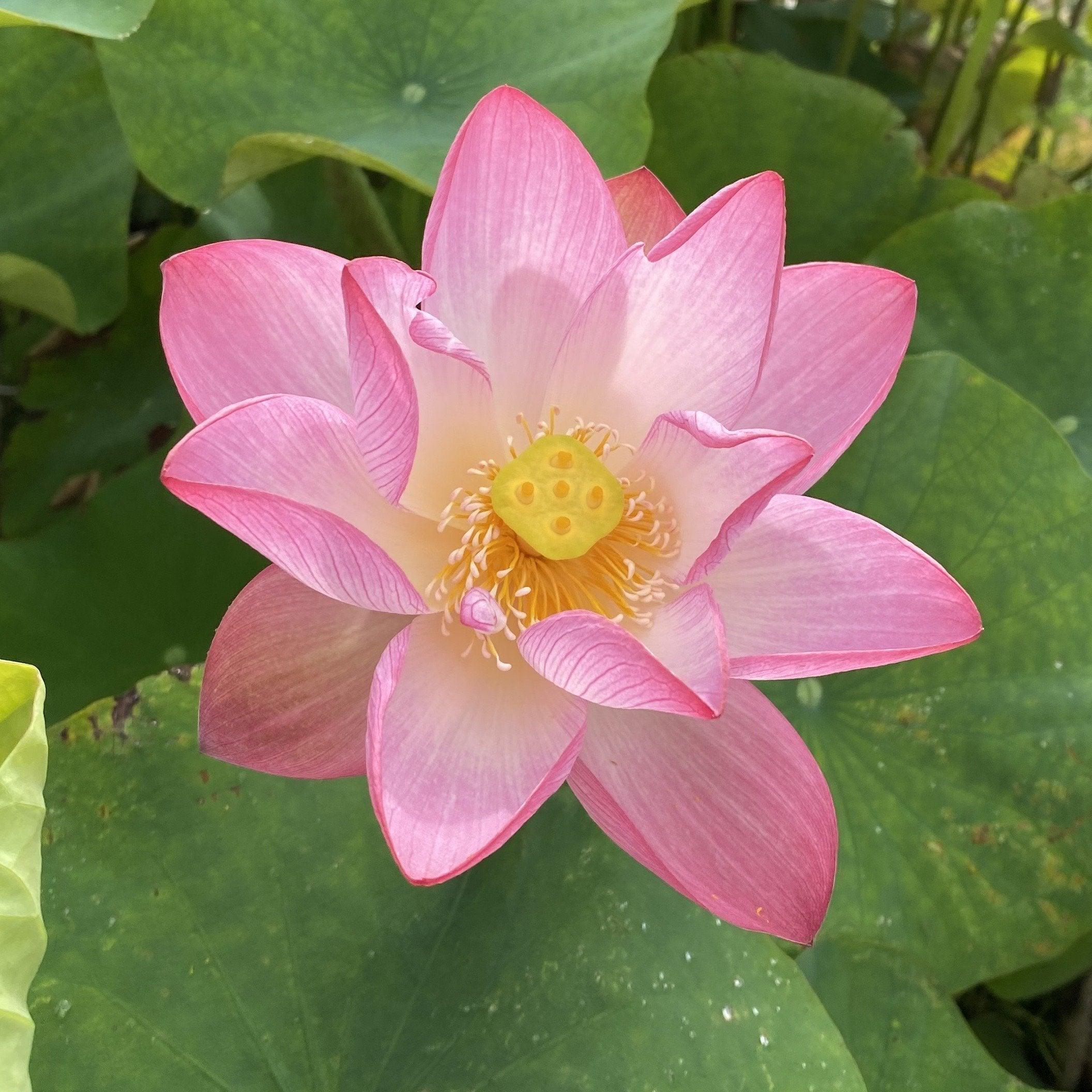
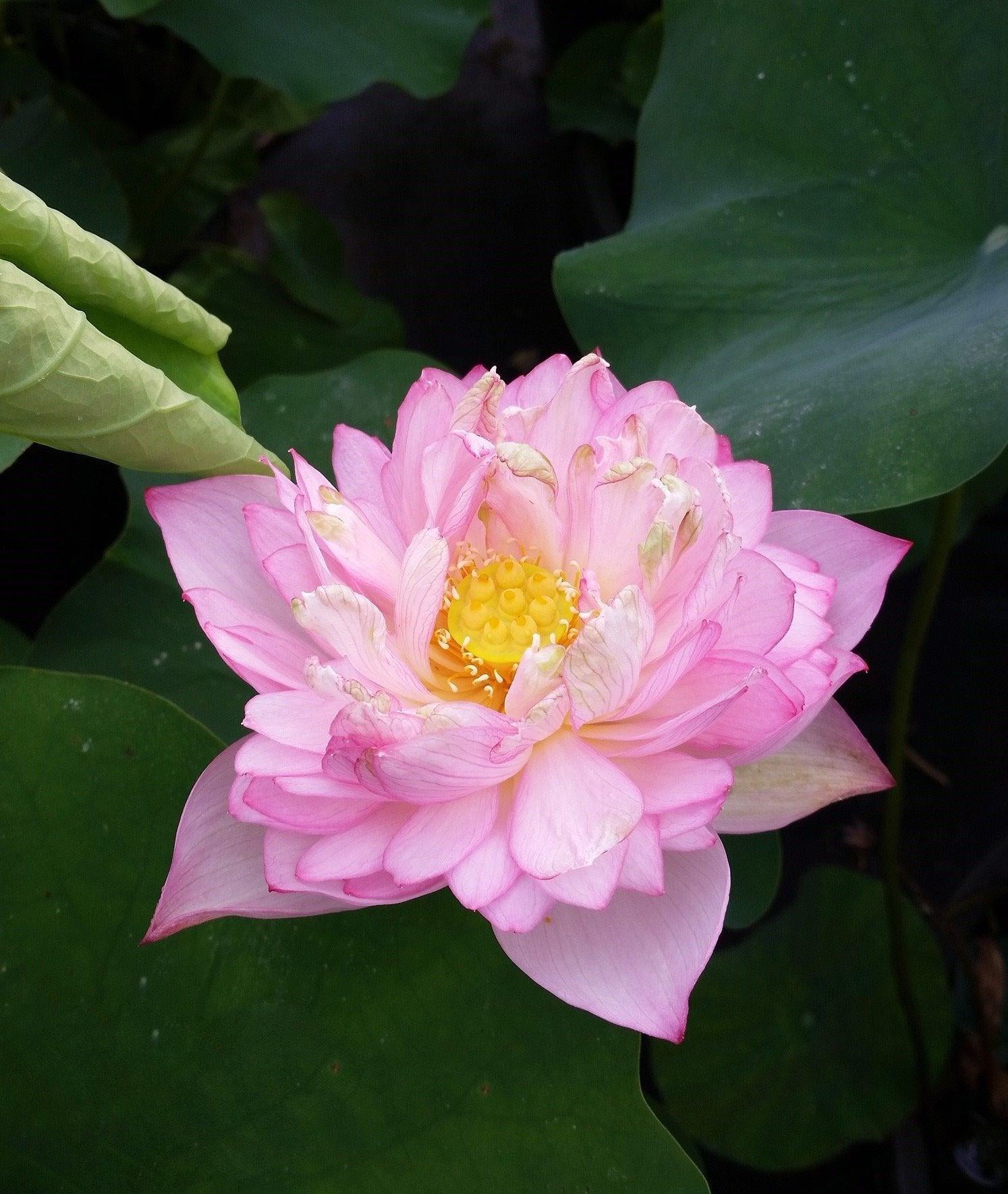
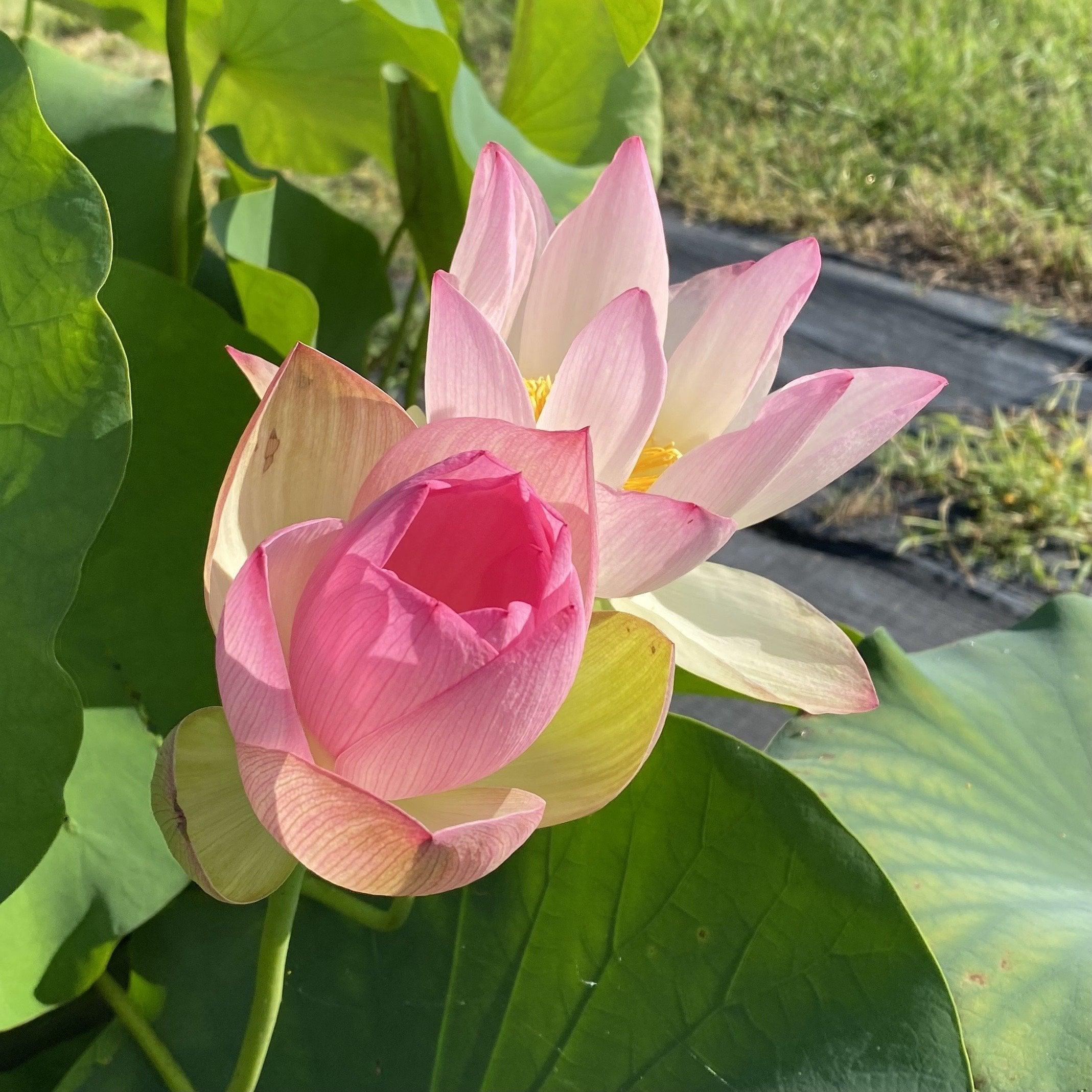
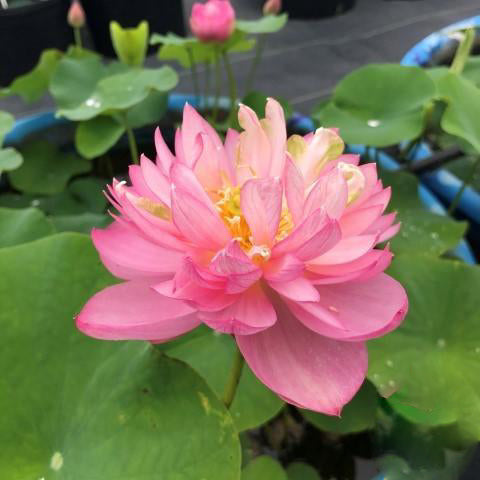
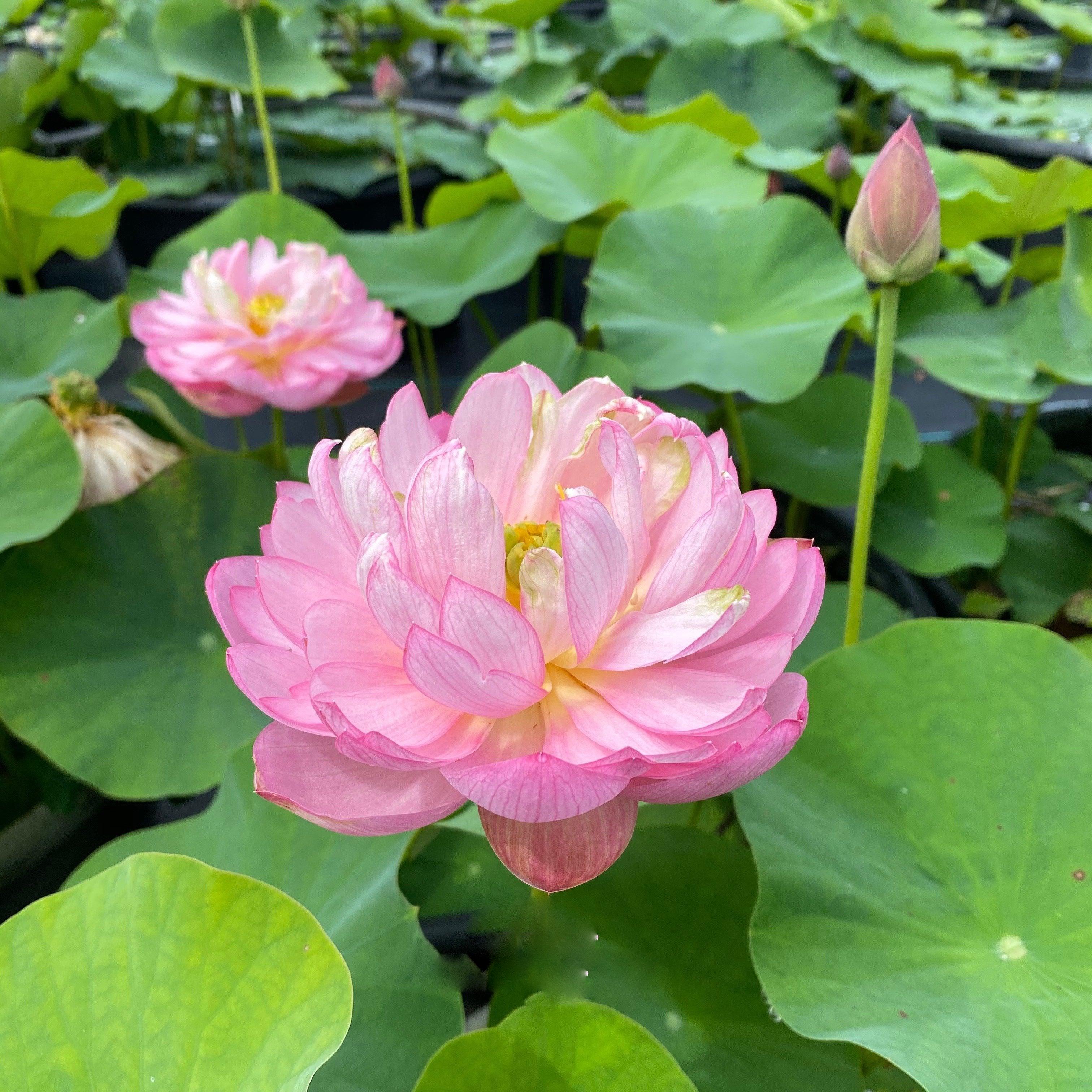
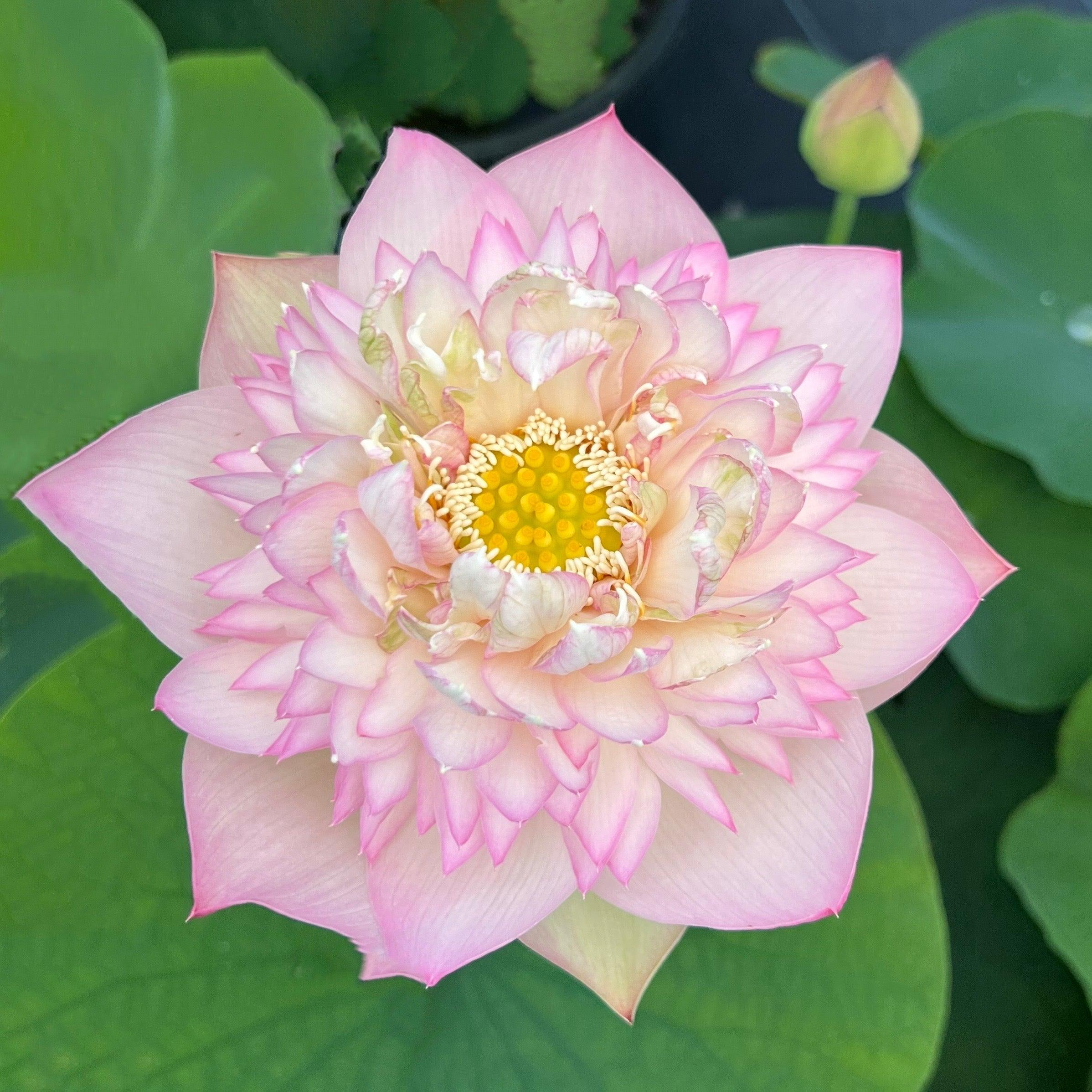
Aquatic plants are one of nature's best filtration systems, absorbing excess nutrients that would otherwise fuel algae growth. Play It Koi offers a carefully curated selection of pond plants including hardy water lilies, tropical water lilies, lotus, floating plants, oxygenating submerged plants, and marginal bog plants. Each category plays a distinct role in pond health and visual appeal.
Choosing Plants by Pond Zone
A well-planted pond includes species for every depth zone. Marginal plants (cattails, rushes, iris, pickerelweed) grow on shallow shelves with roots submerged and foliage above water. Water lilies occupy the mid-depth zone, providing floating pads that shade the surface and reduce algae. Submerged oxygenators (anacharis, hornwort, vallisneria) grow entirely underwater and produce oxygen while consuming nitrates. Floating plants (water hyacinth, water lettuce) drift freely, absorbing nutrients directly from the water column and providing shade. Mixing all four categories creates a balanced, self-sustaining ecosystem.
Planting Season and Timing
Hardy water lilies and marginal plants can be planted from mid-spring through early summer once water temperatures stabilize above 60 degrees Fahrenheit. Tropical lilies and lotus require warmer water — wait until temperatures consistently reach 70 degrees or higher. Floating and oxygenating plants can be added anytime during the growing season. In colder climates, treat tropical plants as annuals or overwinter them indoors in a heated aquarium.
Protecting Pond Plants from Koi
Koi are enthusiastic plant-eaters, and protecting your aquatic garden from their appetites requires some strategy. Place lilies and lotus in heavy pots covered with large river rocks that koi cannot dislodge. Use plant protectors or floating plant islands to keep greens out of reach. Marginal plants in shallow areas with rock barriers are generally safe, as koi tend to stay in deeper water. Floating plants like water hyacinth may become an expensive koi snack — consider them a supplemental food source rather than permanent decor in heavily stocked ponds.
Benefits Beyond Beauty
Plants do far more than look attractive. Lily pads shade up to two-thirds of the pond surface, suppressing algae growth and reducing water temperature in summer. Submerged plants produce dissolved oxygen and consume nitrate, directly improving water quality. Root systems in bog filters provide a substrate for beneficial bacteria. A well-planted pond often requires fewer chemical treatments and less filtration capacity than a bare pond of equal size.
Play It Koi offers free shipping on orders over $99 and ships live plants during the appropriate growing season. Contact our plant specialists for recommendations based on your climate zone.
Related Categories
Hardy Water Lilies · Tropical Water Lilies · Lotus · Floating Plants · Oxygenating Plants
Frequently Asked Questions
What are the best pond plants for koi ponds?
Hardy water lilies are the best all-around choice for koi ponds — they provide shade, absorb nutrients, and can be potted with rocks to resist koi digging. Marginal plants like iris and cattail are generally left alone by koi. Floating plants like water hyacinth filter the water effectively but may be eaten by koi. Submerged oxygenators should be protected behind barriers in koi ponds.
When is the best time to plant pond plants?
Plant hardy water lilies and marginals in mid-spring once water temperatures are consistently above 60°F. Tropical lilies and lotus need warmer water — wait until temperatures reach 70°F or higher. Floating and submerged plants can be added anytime during the growing season as long as water is warm enough for active growth.
How do I keep koi from eating my pond plants?
Pot plants in heavy containers and cover the soil surface with large river rocks that koi cannot move. Use floating plant protectors or cages around submerged plants. Place marginals on shallow shelves with rock barriers. Some koi keepers designate a separate planted bog area that koi cannot access, connected to the main pond for water circulation and natural filtration.