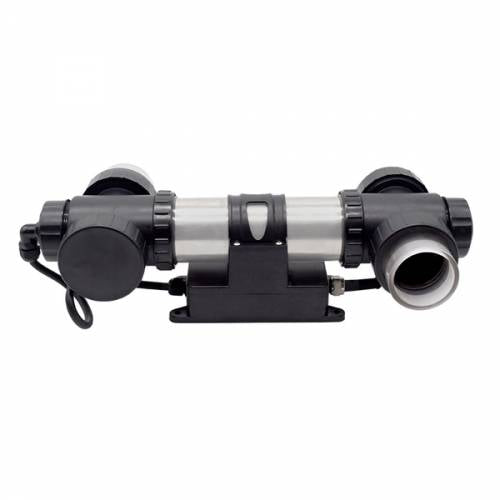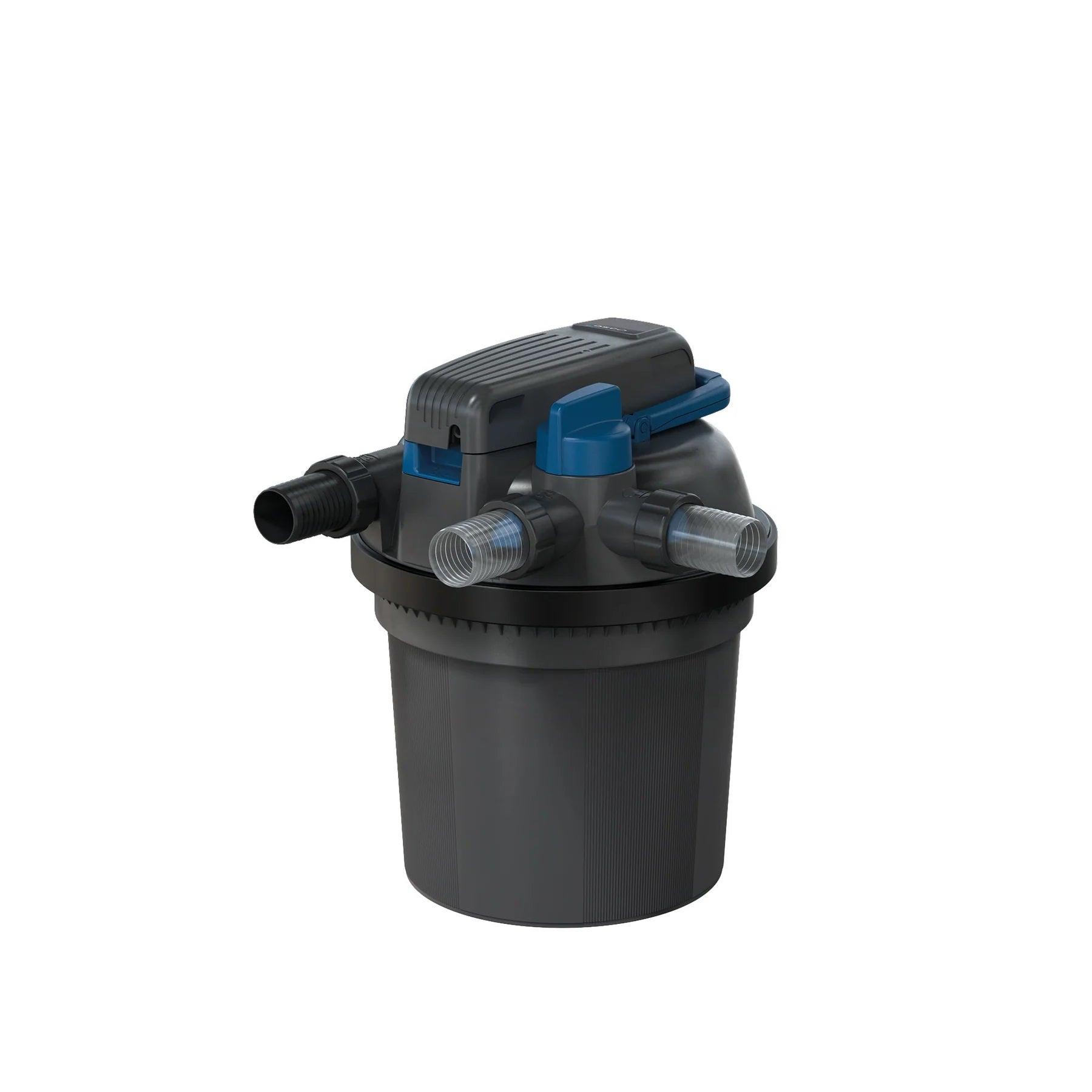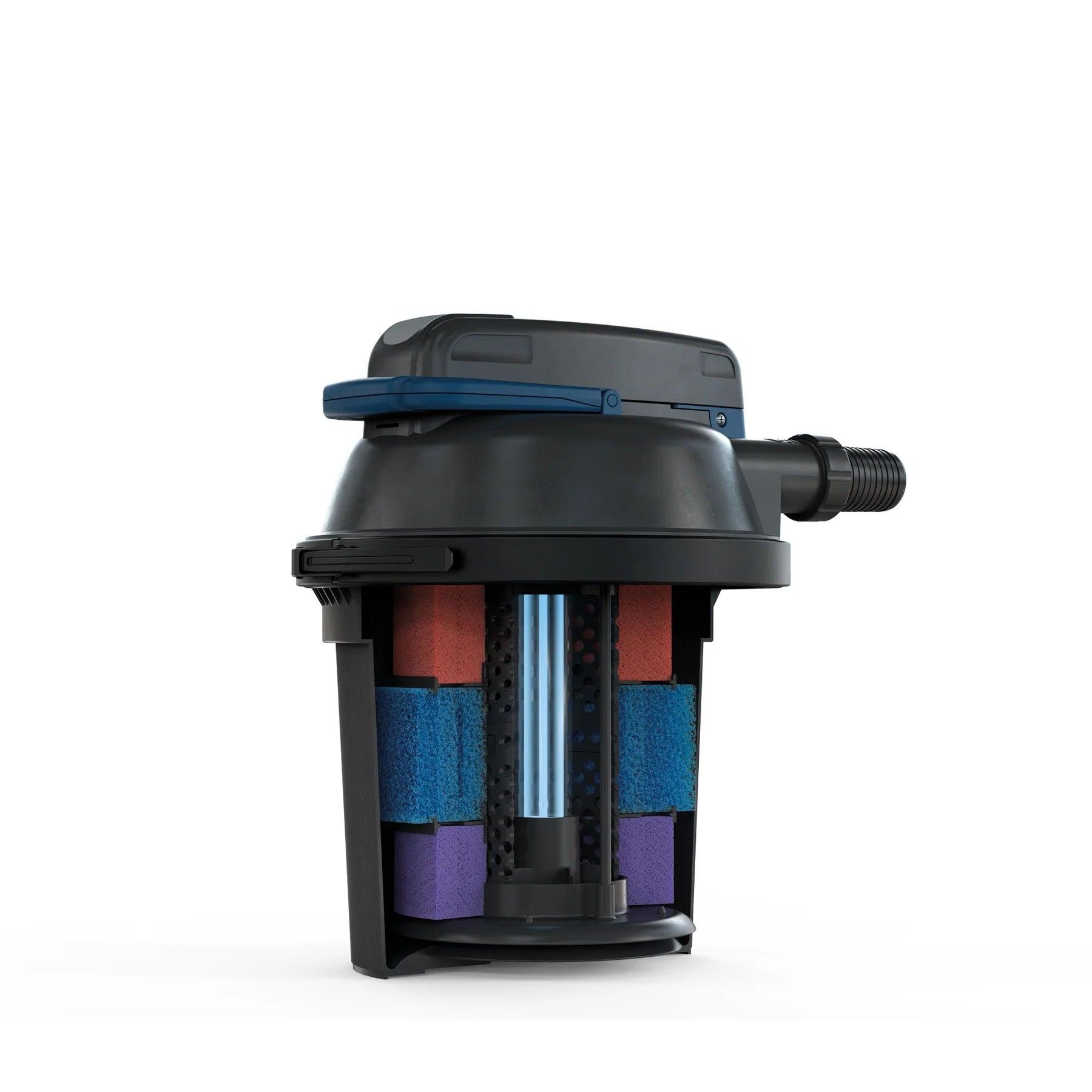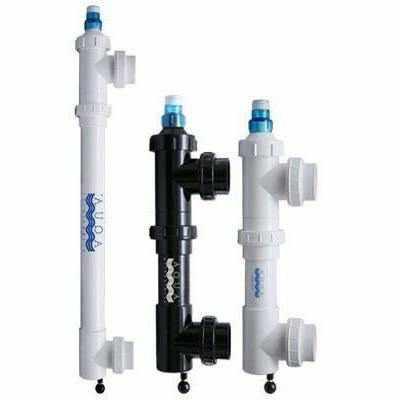
Pond UV Sterilizers
86 products
Showing 25 - 48 of 86 products
Pond UV Clarifiers and Sterilizers for Crystal-Clear Water
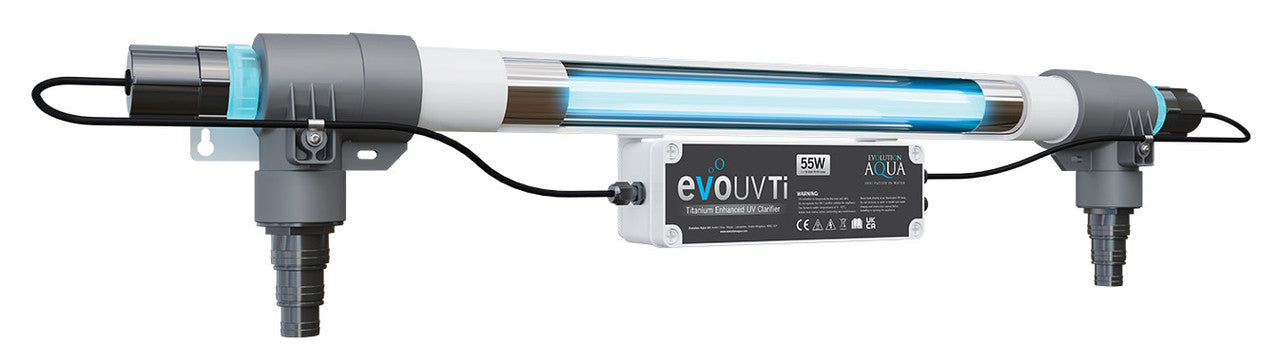
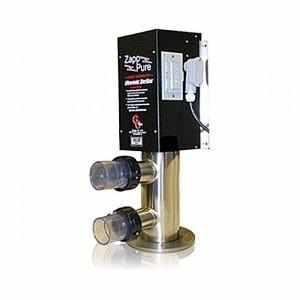
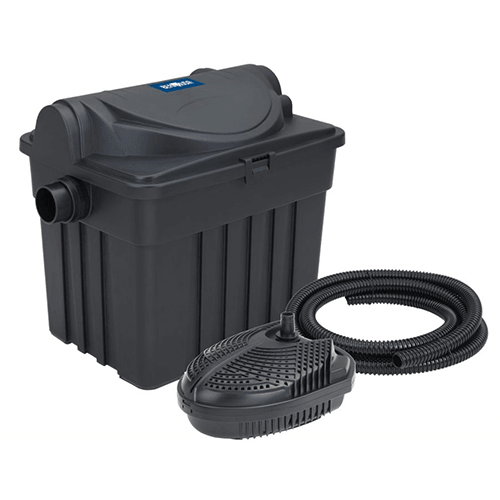
Ultraviolet clarification is the most reliable, chemical-free method for eliminating green water caused by suspended single-celled algae. Play It Koi carries pond UV clarifiers and UV sterilizers from the industry's most respected manufacturers — Aqua Ultraviolet, Emperor Aquatics, Smart UV, and PondMax. Whether tackling a persistent green-water problem or proactively maintaining water clarity, the right UV unit transforms murky ponds into crystal-clear showcases.
How UV Clarification Works
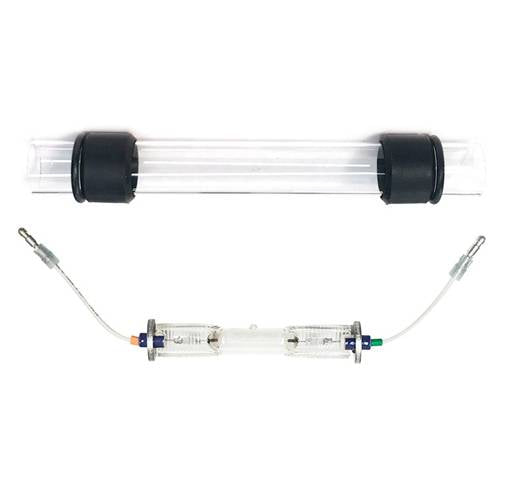
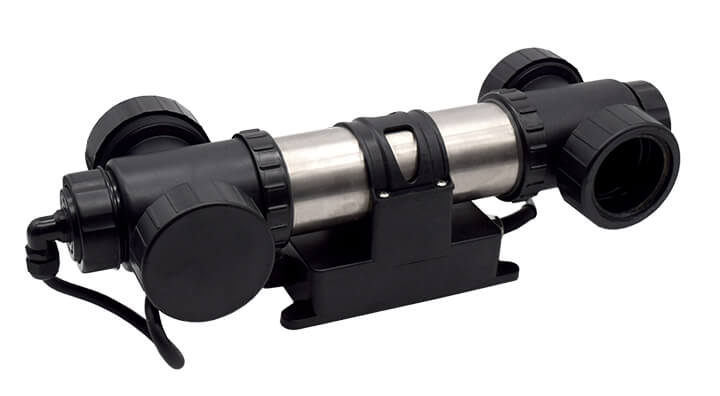
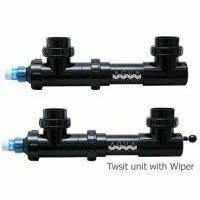
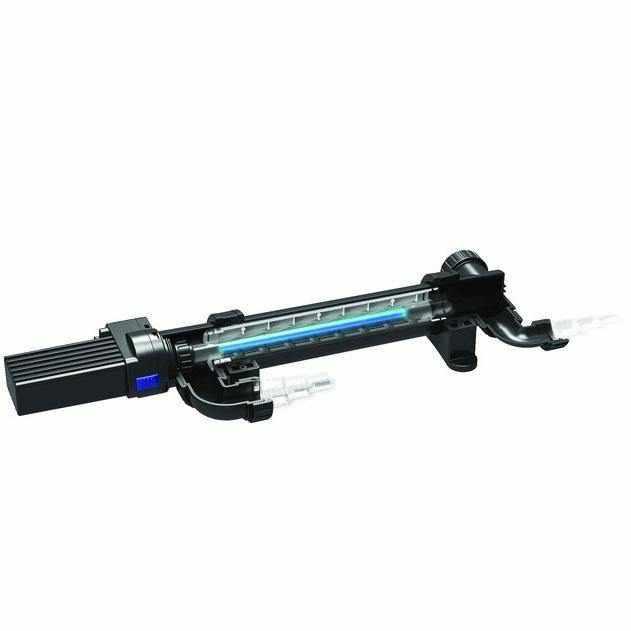
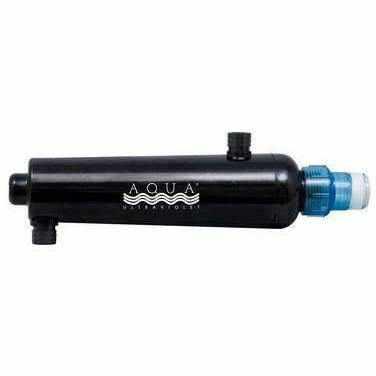
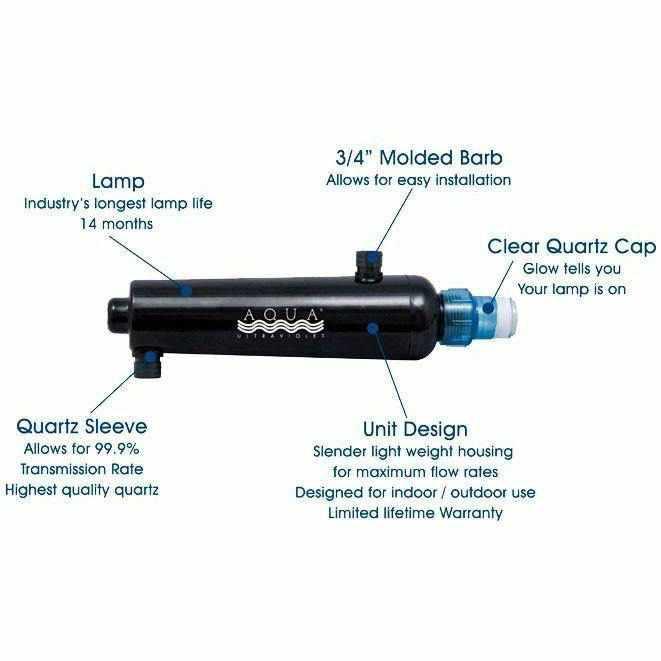
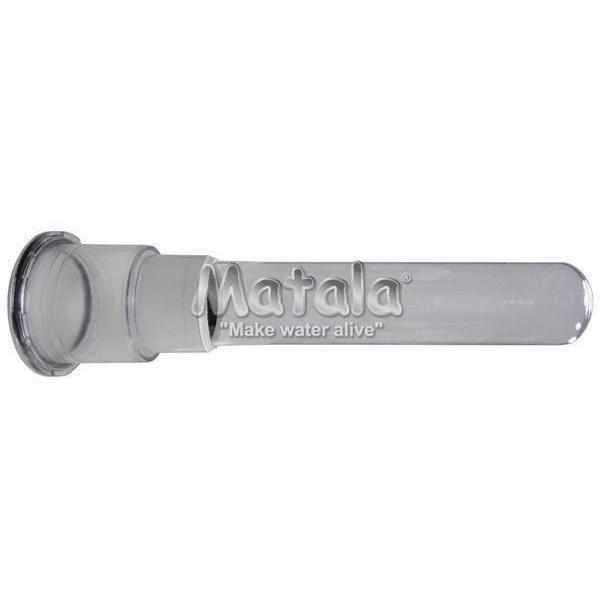
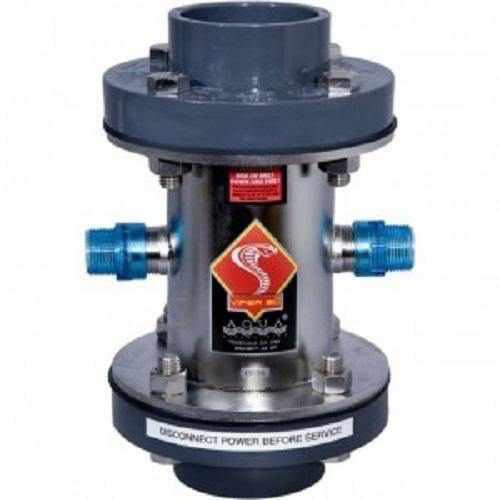
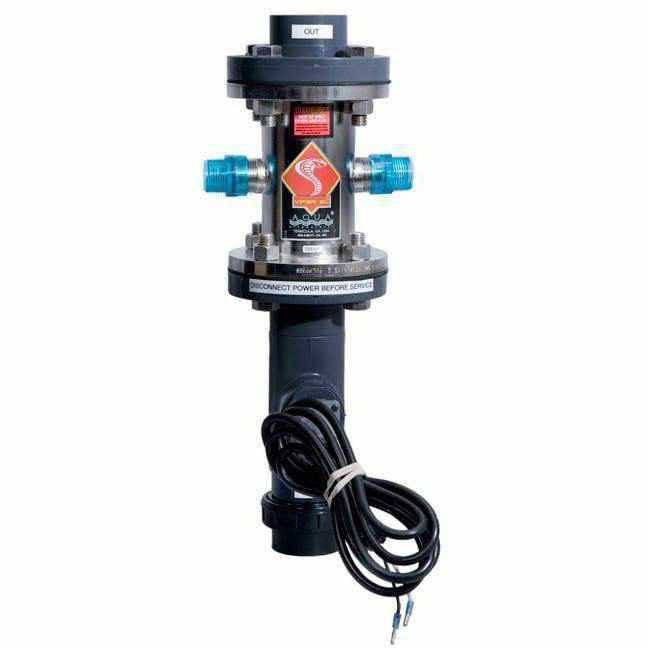
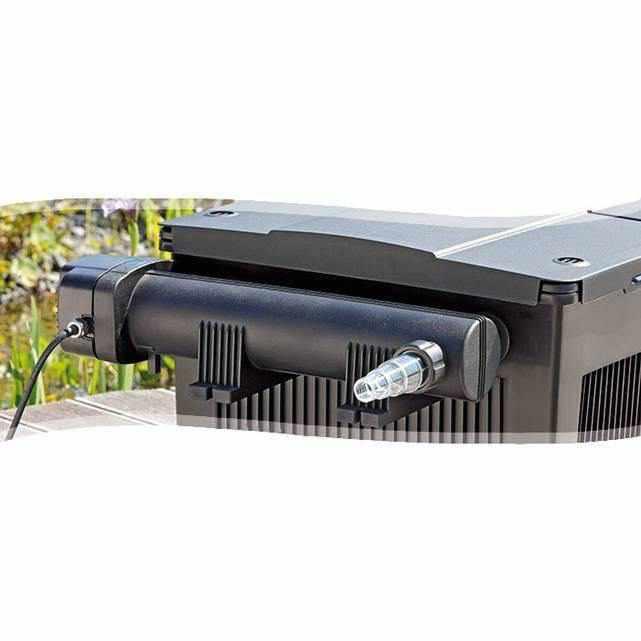
A UV clarifier exposes pond water to ultraviolet light as it passes through a quartz sleeve chamber. The UV-C radiation disrupts the DNA of single-celled algae, causing the cells to clump together. These clumps are then large enough to be trapped by your pond filter. UV sterilizers operate at higher wattage per gallon, providing enough UV exposure to kill bacteria and parasites in addition to algae — a valuable tool for fish health in heavily stocked ponds.
Sizing Your UV Unit
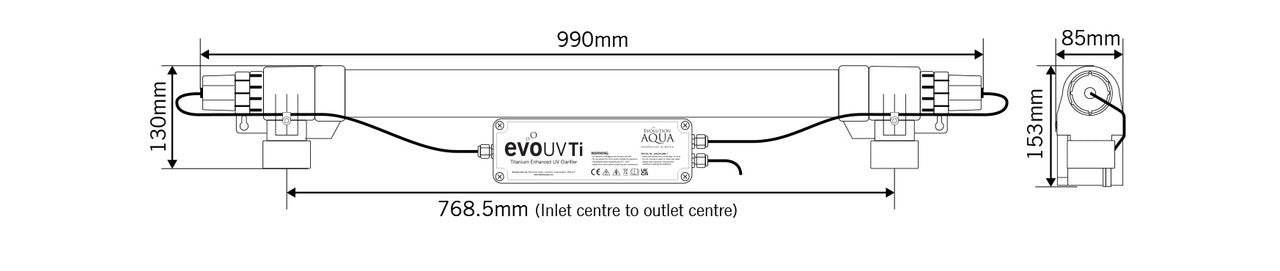
Proper sizing is critical for effective UV performance. For clarification (algae control), plan on approximately 1 watt of UV per 50 to 75 gallons of pond water. A 4,000-gallon koi pond typically needs a 55 to 80 watt unit. For sterilization-level performance, double the wattage. Flow rate matters too — water must pass through the chamber slowly enough for adequate UV exposure. The pond pump feeding your UV unit should not exceed the manufacturer's maximum flow rating.
UV Bulb Maintenance and Replacement
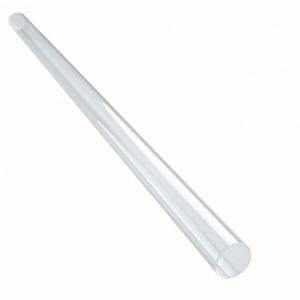
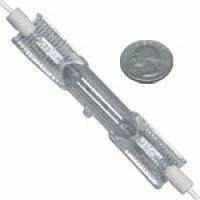
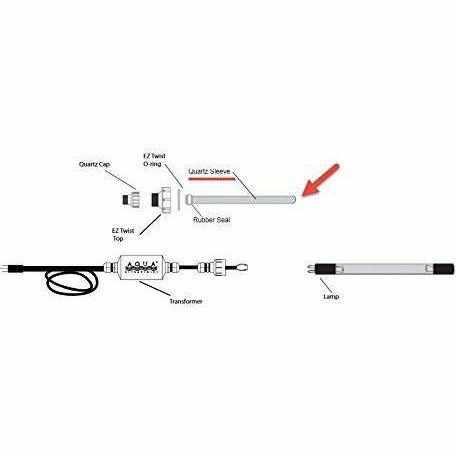
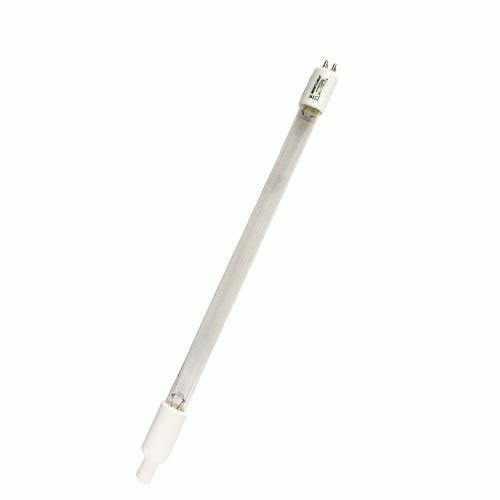
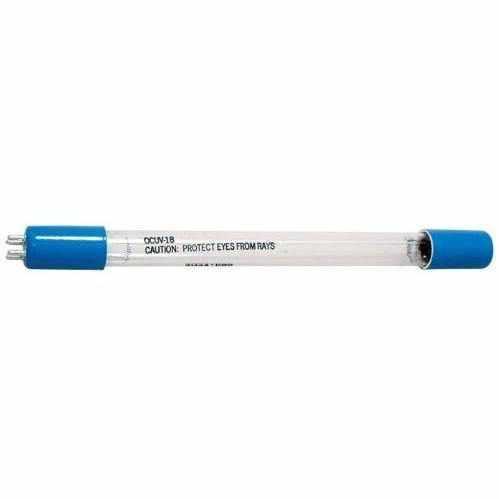
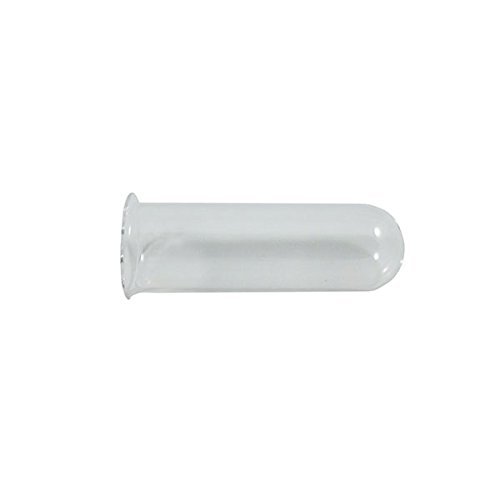
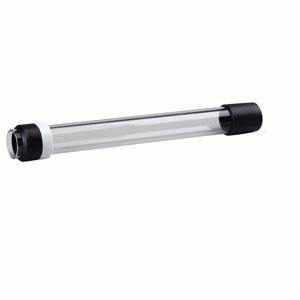
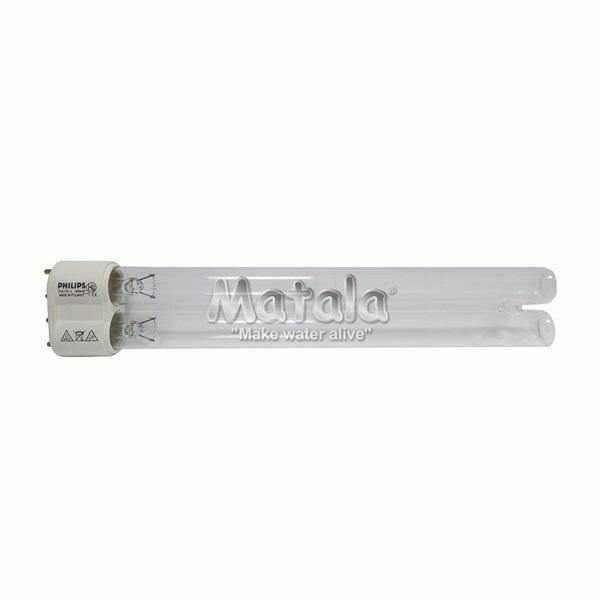
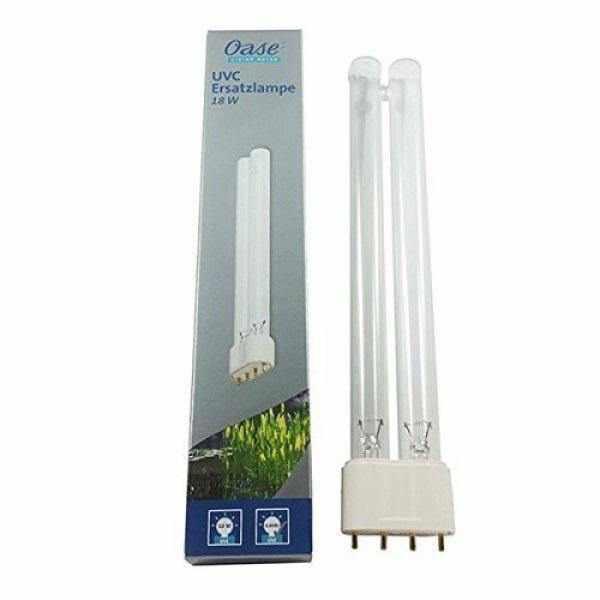
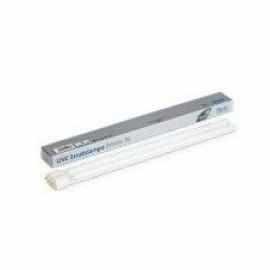
UV bulbs lose effective output over time, even if they still appear to glow. Most manufacturers recommend replacing the UV bulb annually — ideally in spring before algae season begins. Quartz sleeves should be cleaned every few months to prevent mineral deposits from blocking UV transmission. Play It Koi stocks replacement UV bulbs, quartz sleeves, and O-rings for all major brands. Keeping a spare bulb on hand means zero downtime when replacement day arrives.
UV Clarifiers vs. Chemical Algae Treatments
Many pond keepers debate whether to use UV or chemical algaecides. UV clarifiers offer several advantages: they work continuously without chemical residues, pose no risk to fish or plants, and target the root cause of green water rather than masking symptoms. Chemical treatments can provide fast results for severe blooms but require careful dosing and can stress fish if overused. The ideal approach combines UV clarification with water clarifiers for mechanical flocculation and beneficial bacteria for long-term biological balance.
Play It Koi offers free shipping on orders over $99 and carries UV units for ponds from 500 to 50,000 gallons. Contact our team for sizing assistance.
Related Categories
Algae Control · Pond Filtration · Pond Pumps · Replacement Parts · Water Clarifiers
Frequently Asked Questions
What is the difference between a UV clarifier and an algaecide?
A UV clarifier uses ultraviolet light to physically disrupt algae cells without adding any chemicals to your pond. Algaecides are chemical treatments that kill algae on contact. UV is safer for fish, works continuously, and prevents green water rather than just treating it. Algaecides provide faster results for severe blooms but must be dosed carefully to avoid stressing fish.
How often should I replace my pond UV bulb?
Replace UV bulbs once per year, even if the bulb still illuminates. UV-C output drops significantly after 9,000 to 12,000 hours of use, reducing effectiveness against algae. The best time to replace is in early spring before algae growth accelerates. Clean the quartz sleeve at the same time for maximum UV transmission.
What size UV clarifier do I need for my pond?
For algae clarification, use approximately 1 watt per 50 to 75 gallons of pond water. A 3,000-gallon pond needs a 40 to 57 watt UV unit. For sterilization (killing bacteria and parasites), double the wattage. Always verify that your pump's flow rate does not exceed the UV unit's maximum rated flow for proper exposure time.